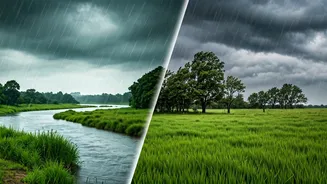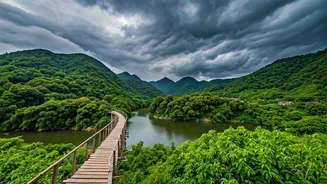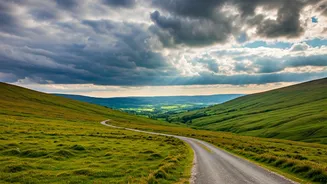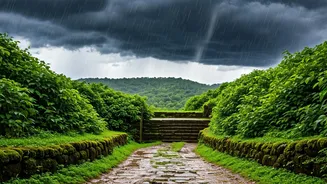





The July 2026 Monsoon Forecast
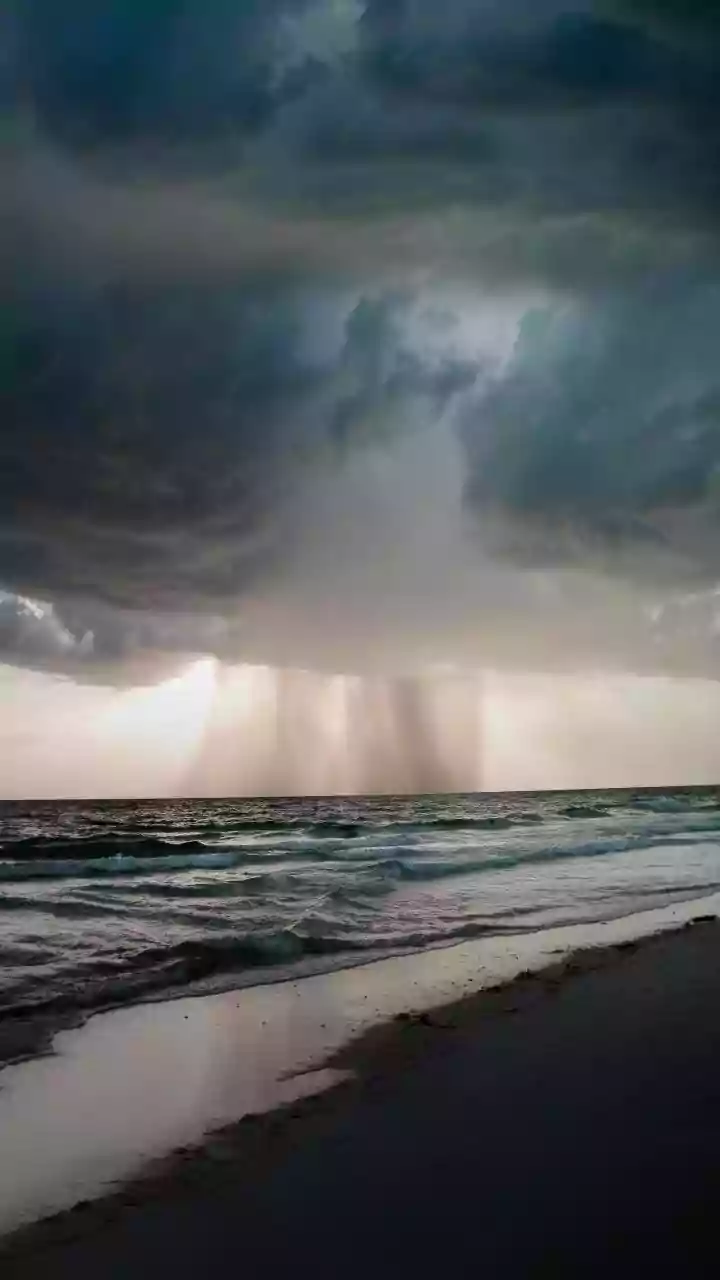
The India Meteorological Department (IMD) has issued its outlook for July 2026, and it’s a mixed bag for travellers. The forecast predicts that rainfall for the country as a whole is likely to be below normal, which means less than 94% of the long-period
average. This follows a June that saw a significant rainfall deficit across much of the country. However, this doesn't mean everywhere will be dry. Some areas in Northwest and Northeast India, East-central India, and the eastern peninsular region are expected to receive normal to above-normal rainfall. At the same time, maximum temperatures are predicted to be above normal for most of the country. This complex forecast means travellers need to choose their destinations wisely.
Destinations to Embrace This Monsoon
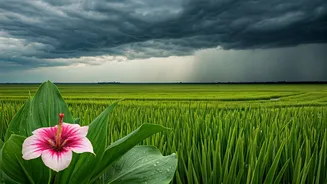
While a below-normal monsoon might sound like a damper, it actually opens up opportunities. With less intense rain in some areas, several classic monsoon destinations are primed for visitors. The rain-shadow regions are a guaranteed great choice. Places like Ladakh and the Spiti Valley in the Himalayas remain largely dry, offering spectacular landscapes and clear skies, making them ideal for road trips and adventure activities. Down south, Tamil Nadu's Coromandel Coast, including places like Mahabalipuram, gets most of its rain later in the year and is a great option for July. In Rajasthan, the arrival of even light showers can transform the arid landscape. Udaipur, the 'City of Lakes', becomes particularly romantic as the lakes fill up and the heat subsides, offering a pleasant travel experience without the risk of heavy downpours.
Regions to Approach with Caution
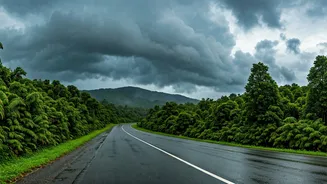
Even with a generally subdued monsoon, certain regions remain vulnerable to heavy rainfall and the risks that come with it. The IMD has forecast isolated, extremely heavy rainfall for the Konkan coast, including Goa, and the ghat areas of Madhya Maharashtra in the first week of July. These areas are prone to landslides and flooding, which can cause significant travel disruptions. While the Western Ghats destinations like Coorg, Munnar, and Wayanad are stunningly beautiful when green, they can also be risky. Similarly, parts of the Himalayas, such as Uttarakhand and Himachal Pradesh, are susceptible to landslides and road closures even with moderate rain, so it’s crucial to check conditions before and during your trip. The Northeast, particularly states like Meghalaya, is known for its heavy rainfall, and while Cherrapunji is a sight to behold, travel can be challenging.
Your Monsoon Travel Checklist
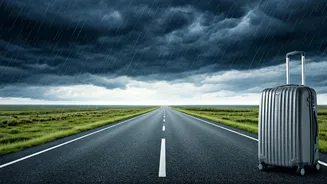
Smart planning can make all the difference for a successful monsoon trip. First, stay updated on the weather. Use reliable apps like the IMD's official one to track forecasts for both your destination and your route. When it comes to packing, prioritise function over fashion. A reliable raincoat, waterproof footwear with good grip, and quick-drying clothes are essential. Protect your electronics with waterproof bags or pouches. Be flexible with your itinerary. Monsoon travel often involves delays, so build buffer time into your plans and consider booking accommodation with flexible cancellation policies. Finally, be cautious with food and water. Stick to bottled water and freshly cooked food from clean, reputable places to avoid water-borne illnesses. Having a basic first-aid kit with essentials is always a good idea.