




They Demand Less, Give More
One of the biggest joys of gardening is watching things grow, not constantly battling to keep them alive. Native plants are evolutionary experts, perfectly adapted to India's diverse climates, from the monsoons of the Western Ghats to the dry heat of the northern
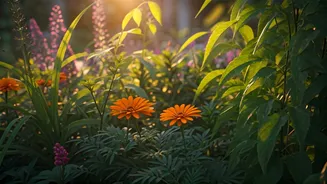
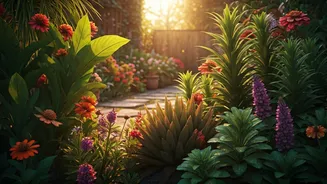
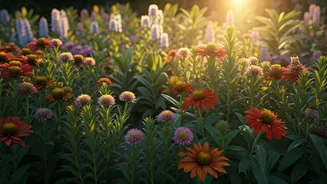
plains. Plants like the vibrant Marigold (Genda), fragrant Jasmine (Mogra), and the elegant Flame Lily (Karihari) have spent millennia adjusting to our soil, rainfall, and temperature cycles. This means they require significantly less water than exotic imports. They are less fussy about soil quality and don't need a constant diet of expensive fertilisers to flourish. For the gardener, this translates into less work, lower water bills, and more time to simply enjoy the beautiful space you’ve created.
They Invite a Symphony of Life
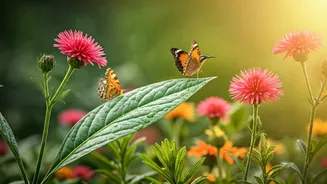
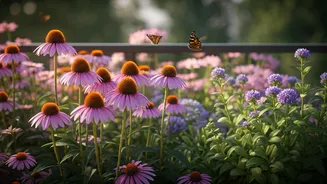
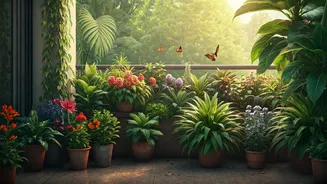
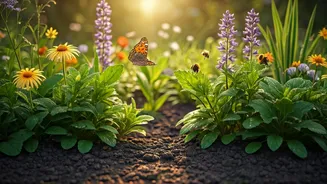
A 'happy' garden isn't just a collection of pretty flowers; it's a living ecosystem. Native plants are the foundation of this system. They have co-evolved with our local birds, bees, butterflies, and insects, providing the exact food and shelter they need. Planting a Curry Leaf tree (Kadi Patta) doesn't just give you fresh flavour for your cooking; it provides a host for the Common Mormon butterfly. The bright red flowers of the Hibiscus (Japapushpa) are a favourite for sunbirds, which will visit your garden for a sip of nectar. The fragrant Parijat (Night-flowering Jasmine) attracts nocturnal moths, adding another layer of life to your garden after sunset. By planting native species, you are rolling out a welcome mat for local wildlife, turning your balcony or backyard into a vibrant hub of biodiversity and filling it with natural sights and sounds.
They Are Naturally Resilient
Foreign ornamental plants can be beautiful, but they often lack the defences to cope with local challenges. They are frequently the first to succumb to local pests and diseases, sending gardeners running for chemical sprays. Native plants, on the other hand, have developed their own natural resistance. They’ve been dealing with the same local pests for centuries and have built-in defence mechanisms. For example, the Neem tree is so famously effective as a pest repellent that its extracts are used in organic pesticides. While you might not plant a full Neem tree, choosing other hardy natives means you'll spend less time worrying about infestations and more time appreciating a healthy, thriving garden. This natural hardiness creates a more stable, self-regulating environment that is safer for you, your family, and the friendly wildlife that visits.
They Honour Our Natural Heritage
Gardening with native plants is also an act of cultural and ecological preservation. These plants are a living part of our landscape and heritage. From the sacred Tulsi found in courtyards across the country to the Palash (Flame of the Forest) that signals the arrival of spring, these plants are woven into our traditions, festivals, and memories. Choosing to grow them is a way of celebrating and safeguarding this unique botanical identity. In an age of globalisation where gardens in Delhi can look identical to those in London or Los Angeles, planting native species creates a space that is authentically and beautifully Indian. It fosters a powerful sense of place, connecting your personal garden to the wider regional landscape.
How to Start Your Native Garden
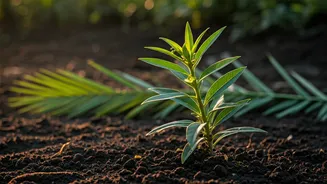
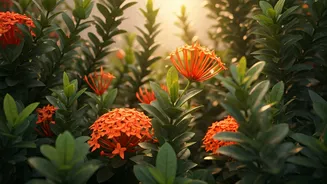
Getting started is easier than you think. You don't need to rip out your entire existing garden. Begin small. Dedicate one corner of your yard or a few pots on your balcony to native species. A great first step is to simply observe. What grows wild in your neighbourhood? What plants do you see thriving in local parks with little care? Visit a local nursery and specifically ask for plants native to your region. Common, easy-to-find starters include Ixora (Rugmini), Crossandra (Kanakambaram), and various types of jasmine and basil. By starting with just a few native plants, you’ll quickly see the benefits for yourself and be inspired to welcome more of India’s natural beauty into your garden.