



Why Less Water Often Means a Healthier Plant
The most common mistake new desert plant owners make is treating their succulents and cacti like traditional houseplants. These species evolved in arid environments where rainfall is infrequent but torrential. Their entire biology is designed to quickly
absorb large amounts of water and then store it in their fleshy leaves and stems for long, dry periods. When watered too frequently, the roots never have a chance to dry out. This constant dampness suffocates the roots, leading to root rot, the number one killer of these otherwise resilient plants. By watering deeply but infrequently, you mimic their natural habitat, encouraging stronger, deeper root systems and a much happier plant.
Master the 'Soak and Dry' Method
The most effective technique for watering desert plants is known as the 'soak and dry' method. Instead of giving your plants small splashes of water on a schedule, you wait until the soil is completely dry. Then, you thoroughly soak the soil until water runs freely from the drainage holes at the bottom of the pot. This ensures the entire root ball gets access to moisture. After soaking, allow the pot to drain completely and do not water it again until the soil has fully dried out. This cycle of flood and drought is exactly what these plants are adapted for and is the key to effortless care. For many indoor succulents, this could mean watering as little as every 14 to 21 days, or even less in winter.
Let Your Plant Tell You When It's Thirsty
Rather than sticking to a rigid calendar, learn to read the signs from your plant. An underwatered succulent will have leaves that look wrinkled, shriveled, or deflated. They will feel soft but not mushy. These are cues that the plant is using up its stored water reserves and it's time for a deep drink. Conversely, an overwatered plant often has leaves that appear swollen, soft, and mushy; they might even look translucent or yellow. The leaves may also drop off at the slightest touch. A slightly thirsty plant is easy to fix with a good watering, but an overwatered, rotting plant is much harder to save. When in doubt, it is always better to wait a few more days before watering.
The Crucial Role of Soil and Pot Choice
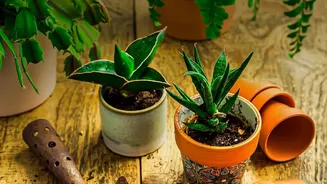
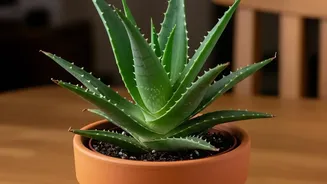
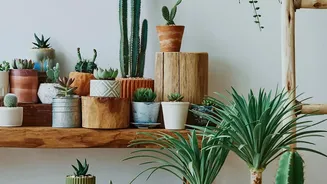
Stretching watering intervals is only possible if your plant is in the right setup. Desert plants require a fast-draining, gritty soil mix. Standard potting soil holds too much moisture and is a primary contributor to root rot. You can buy pre-made cactus and succulent mixes, or create your own by combining regular potting soil with an equal part of a gritty material like pumice or perlite. This creates air pockets and allows water to flow through quickly. Equally important is a pot with a drainage hole. Without proper drainage, water will pool at the bottom, and even the best watering technique won't be able to save your plant from rot. Terracotta pots are an excellent choice as their porous nature helps wick away excess moisture.
Adjusting for Seasons and Dormancy
A plant's water needs are not static; they change with the seasons. Most succulents and cacti have an active growing season in the spring and summer, and a dormant period in the fall and winter. During active growth, they use more water and may need to be watered more frequently. However, when they enter dormancy in the cooler, lower-light months, their growth slows dramatically and their water requirements plummet. During this rest period, you should reduce watering significantly, sometimes to as little as once a month, just to keep the plant from completely shriveling. Watering an indoor plant on a summer schedule during the winter is one of the fastest ways to cause problems.