







Gearing Up for a Historic Liftoff
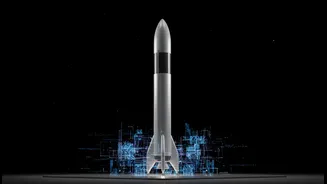
Hyderabad-based Skyroot Aerospace is preparing for 'Aagaman', or 'Arrival'—the mission name for the maiden flight of its Vikram-1 rocket. This isn't just another launch; it’s slated to be India's first-ever orbital mission by a private company, a monumental
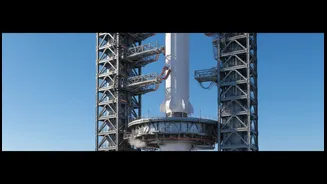
event for the nation's burgeoning space-tech industry. In the final push towards this historic launch, scheduled for July 18, 2026, the company has been expanding its engineering team. This influx of talent is crucial as Skyroot completes the final integration and testing phases, ensuring every component of the seven-storey-tall rocket is ready for its journey to orbit.
The Vikram-1 Rocket Explained
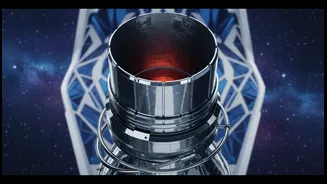
Named in honour of Dr. Vikram Sarabhai, the father of India's space program, Vikram-1 is an advanced, multi-stage launch vehicle. Built with an all-carbon composite structure to keep it light but strong, it features cutting-edge technologies like 3D-printed engines and high-thrust solid-fuel boosters, all developed in-house. The rocket is designed to deliver small satellites, weighing up to 350 kg, into Low Earth Orbit. Its first test flight will aim for a 450 km orbit, carrying several technology demonstration payloads from various companies, and even a piece of diamond art. A successful flight will validate the years of design, simulation, and ground tests, paving the way for commercial operations.
A New Era for Indian Space
For decades, space exploration in India was the sole domain of the government-run Indian Space Research Organisation (ISRO). However, policy reforms in 2020 opened the sector to private enterprise, creating a vibrant new ecosystem. The establishment of IN-SPACe as a regulatory body allowed startups like Skyroot to access ISRO's world-class facilities, from launchpads to testing stands, dramatically accelerating their development cycles. Skyroot's upcoming launch is the most visible result of this policy shift. It represents the culmination of work by nearly 1,000 people and over 400 suppliers, demonstrating the deep industrial and intellectual capacity building within the country.
The 'Taxi to Orbit' Business Model
The global demand for launching small satellites is booming, but the market is constrained by a lack of dedicated launch options. Many small satellite operators have to 'rideshare' on large rockets, heading to a predetermined orbit on someone else's schedule. Skyroot CEO Pawan Kumar Chandana compares his company's strategy to offering a private cab rather than a train. Vikram-1 is designed to provide this dedicated 'taxi to orbit' service, giving clients the flexibility to choose their exact orbital destination. This business model, successfully employed by international players like Rocket Lab, positions Skyroot to capture a significant share of the lucrative small satellite launch market.
More Than a Launch
The Vikram-1 mission is about more than just one rocket. A successful launch on July 18 would be a powerful statement, proving that India's private sector can compete on the global stage. It would join an elite club of companies, including SpaceX and Rocket Lab, that have independently developed orbital launch capabilities. For India, it signifies a major step towards becoming a comprehensive space power, with both robust government programs and a dynamic commercial industry. The expansion of Skyroot's engineering team is a testament to this new reality, creating high-tech jobs and inspiring a new generation to reach for the stars from Indian soil.