


Understanding the August Weather
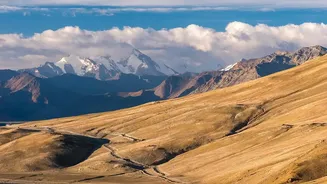
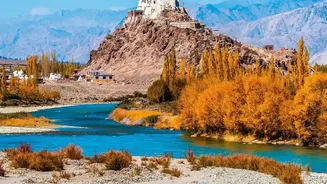
Ladakh in August offers a pleasant climate, but it’s a land of contrasts. Daytime temperatures in Leh can hover between 15°C and 25°C, feeling warm and sunny. However, the moment the sun disappears, temperatures drop significantly, with nights falling
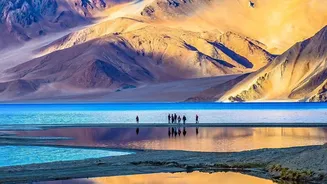
to between 5°C and 10°C. While Ladakh is a rain-shadow region and stays relatively dry, the approach roads from Manali and Srinagar can experience monsoon showers. Expect intermittent rain and be prepared for sudden weather changes, especially at higher altitudes like Khardung La or Pangong Tso.
Choosing Your Route: Road vs. Air
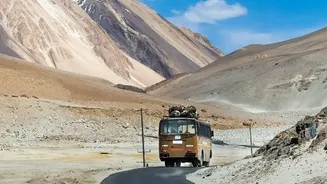
Flying into Leh is the most predictable and time-efficient option in August. For road trippers, both the Srinagar-Leh and Manali-Leh highways are generally open, but each has its challenges. The Manali-Leh highway is notorious for monsoon-related issues like landslides and treacherous water crossings. The Srinagar-Leh highway is often considered a better option for gradual acclimatisation, though it can also face disruptions due to rain in the Kashmir valley section. Whichever road you choose, it's crucial to build buffer days into your itinerary for unexpected delays.
The Golden Rule: Acclimatisation is Key
Acute Mountain Sickness (AMS) is a real risk in Ladakh, where Leh town itself is at an altitude of about 11,500 feet. To prevent it, acclimatisation is non-negotiable. Upon arrival in Leh, especially by air, you must rest for at least 24 to 48 hours. Avoid any strenuous activity, including aggressive sightseeing, on the first day. Drink plenty of water (3-4 litres daily), eat light meals, and ascend gradually. Planning a trip to Nubra Valley or Pangong Lake should only happen after you've spent a minimum of two or three days adjusting in Leh.
Securing Your Inner Line Permits (ILP)
To visit popular areas like Nubra Valley, Pangong Tso, and Tso Moriri, Indian tourists need to obtain an Inner Line Permit (ILP). The process has been simplified and can be done online through the official Leh district administration portal. The permit involves an environment fee, a wildlife protection fee, and a contribution to the Red Cross. It's advisable to apply online before your trip and carry multiple printed copies of the receipt, as you will need to submit them at various checkpoints.
Packing Smart: The Art of Layering
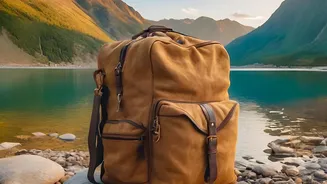
The key to packing for Ladakh in August is layering. Days can be warm enough for t-shirts, but evenings and high-altitude areas get cold quickly. Your essentials should include a combination of light cotton t-shirts, full-sleeve tops for sun protection, a fleece jacket, and a windproof or waterproof outer layer. Don't forget warm woollen socks, a beanie or cap, gloves, and sunglasses. The sun's UV rays are incredibly harsh at high altitudes, so a high-SPF sunscreen (SPF 50+), lip balm, and a hat are essential.
Festivals and Local Culture in August
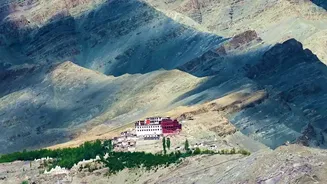
August often coincides with vibrant monastic festivals. Depending on the lunar calendar, you might be able to witness events like Karsha Gustor in Zanskar or the Takthok festival. These festivals are a fantastic opportunity to experience Ladakhi culture, with monks performing traditional masked dances (Chhams) in colourful robes. It's a social gathering where locals come dressed in their finest traditional attire. Always check the festival dates for the specific year you are travelling, as they vary.