






A Shift in the Café Menu
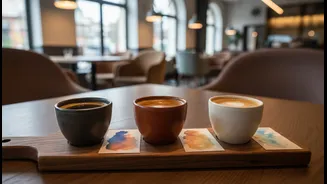
For years, the Indian café experience was defined by a familiar roster of coffees, teas, and a few standard coolers. But a quiet revolution is brewing. Across Mumbai, Bengaluru, Delhi, and other urban centres, a new category of drink is capturing the attention
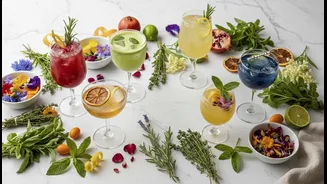
of patrons: artisanal, non-caffeinated infusions that offer a nod to local traditions. Independent cafes, which thrive on unique offerings and authentic experiences, are leading this charge. They are moving beyond the standard fare to introduce beverages that are not only refreshing but also tell a story—one rooted in Indian flora and wellness practices. This shift caters to a growing base of consumers who are looking for more than just a caffeine fix; they want flavour, wellness, and a connection to local ingredients.
The Rosy Allure of Hibiscus
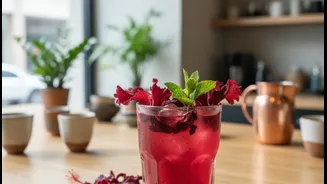
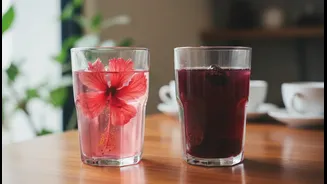
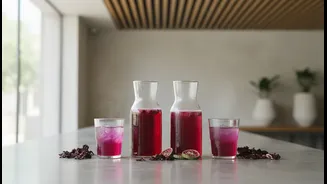
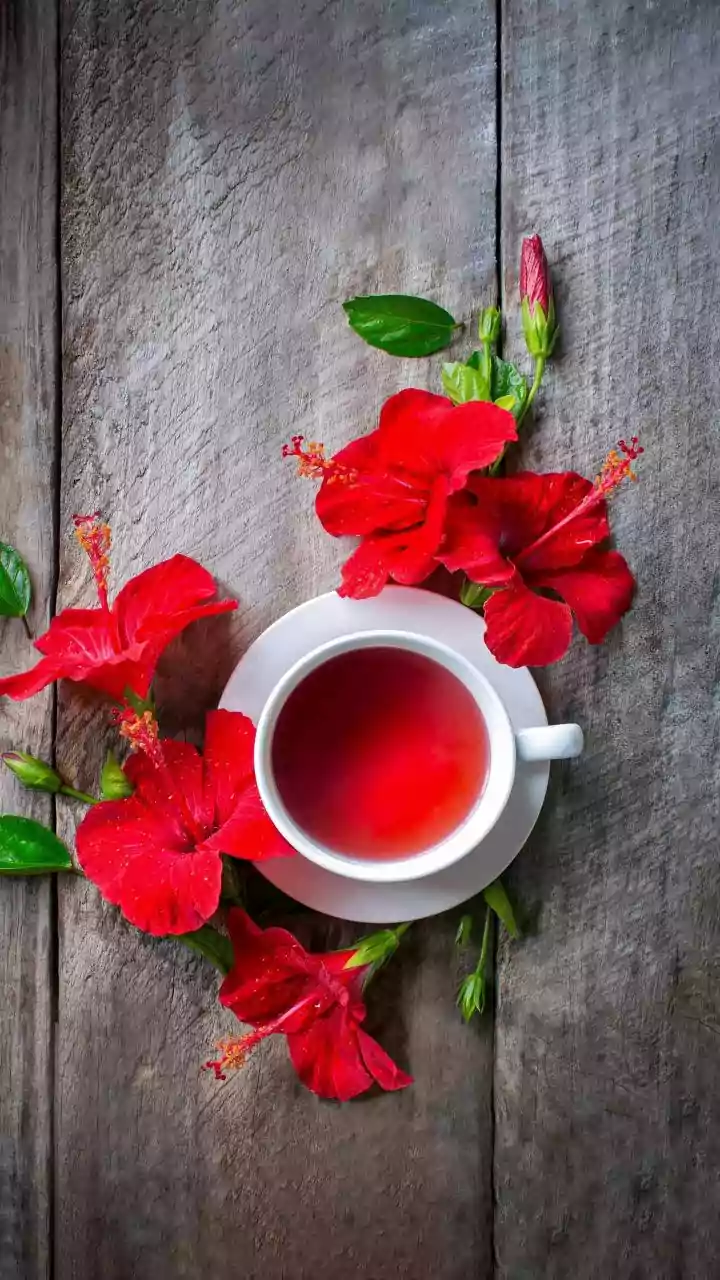
With its stunning ruby-red hue and a distinctly tart flavour reminiscent of cranberries, hibiscus tea is becoming a menu mainstay. Made from the dried petals of the hibiscus flower, this infusion is a feast for the eyes and the palate. Traditionally used in Ayurvedic practices and home remedies, the flower is rich in antioxidants, including Vitamin C and beta-carotene. Cafes are harnessing its appeal in a variety of forms, from simple hot teas to complex iced coolers mixed with mint and lemon. Its natural tanginess provides a refreshing counterpoint to the heat of Indian summers, while its caffeine-free nature makes it an ideal all-day beverage. The visual appeal is undeniable; a tall glass of iced hibiscus tea is not just a drink but a statement, one that photographs beautifully and signals a taste for the exotic yet familiar.
Kokum's Coastal Cool
Hailing from the Western Ghats, particularly the Konkan coast, kokum is a fruit with a unique sweet and sour profile. For generations, it has been the star of traditional drinks like 'kokum sharbat' and 'sol kadhi', cherished for its digestive and cooling properties. Now, this humble ingredient is finding a new, modern stage in urban cafes. Baristas are transforming the dried fruit or its concentrate into sophisticated coolers, spritzers, and mocktails. These drinks offer a complex flavour that is both fruity and acidic, providing a distinctly Indian alternative to imported berry or citrus flavours. The recent interest in indigenous ingredients has elevated kokum's status, as consumers and chefs alike celebrate its regional heritage and health benefits, which include being a good source of antioxidants.
Wellness in a Glass
The popularity of hibiscus and kokum isn't just about taste and novelty; it's deeply connected to the global wellness movement. Today’s consumers are more conscious of what they consume, often seeking out functional beverages that offer health benefits. Both hibiscus and kokum fit this brief perfectly. Hibiscus is lauded for its potential to help manage blood pressure and for its anti-inflammatory properties. Kokum has long been used in traditional medicine to aid digestion, reduce acidity, and act as a natural cooling agent for the body. By placing these ingredients on the menu, cafes are tapping into a desire for mindful consumption. These drinks offer a guilt-free indulgence—a flavourful treat that also nourishes the body, aligning perfectly with the modern definition of a premium lifestyle experience.
The Perfect Blend of Tradition and Trend
Ultimately, the rise of hibiscus and kokum infusions represents a beautiful synthesis of the old and the new. It reflects a growing pride in India’s rich botanical diversity and culinary traditions. For independent cafes, these ingredients offer a way to differentiate themselves from larger chains, creating signature drinks that are authentic, locally sourced, and resonate with a modern Indian identity. The trend also speaks to a broader shift in consumer tastes—an appreciation for nuanced, complex flavours over overly sweet, artificial ones. These vibrant, healthful infusions are more than just a passing fad; they are a celebration of India's heritage, thoughtfully repackaged for the contemporary palate.