



The Habit Hiding in Plain Sight
The everyday habit with a colossal impact is reducing food waste. It might not sound as glamorous as planting trees or switching to an electric vehicle, but the data is staggering. According to the United Nations Environment Programme (UNEP), households
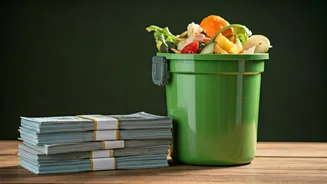
are responsible for the largest share of food waste globally. When we throw away food, we’re not just wasting the meal itself; we’re also wasting all the resources that went into growing, processing, packaging, and transporting it. It's a quiet crisis happening in every kitchen, but it’s also our single greatest opportunity for personal climate action.
The True Cost of Wasted Food
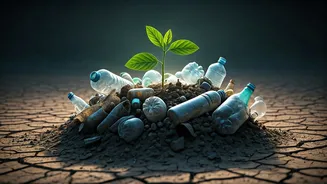
Imagine the environmental footprint of a country. Now, consider this: if food waste were a country, it would be the third-largest greenhouse gas emitter in the world, right after the United States and China. That’s because food rotting in landfills releases methane, a potent greenhouse gas. The Food and Agriculture Organization (FAO) of the UN estimates that roughly one-third of the food produced for human consumption every year gets lost or wasted. In India, the problem is particularly acute, with studies suggesting that a significant portion of food produced never makes it from farm to fork, and much is wasted at the household level. This represents a massive drain on our precious water, land, and energy resources.
Shop Smart, Not Full
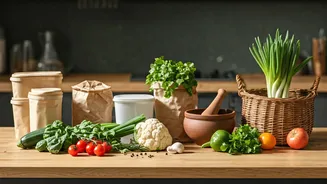
The fight against food waste begins before you even start cooking—it starts at the shop. The first rule is simple: make a plan. Before you head to the local market or supermarket, take a quick inventory of your fridge and pantry. Plan a few meals for the coming days and create a shopping list based on what you actually need. This helps you resist the temptation of 'buy one, get one free' offers on perishable items you won't use in time. Shopping for fresh produce more frequently in smaller quantities, a common practice in many Indian households, is inherently less wasteful than a massive weekly haul where vegetables can wilt and spoil.
Become a Master of Storage
Once you bring your groceries home, how you store them makes all the difference. Apply the 'First In, First Out' (FIFO) principle: move older items to the front of your fridge or pantry, and place new ones at the back. This ensures you use up food before it expires. Store herbs like coriander and mint with their stems in a glass of water, like a bouquet of flowers, to keep them fresh longer. Keep vegetables that release ethylene gas (like tomatoes and bananas) separate from those that are sensitive to it (like leafy greens and carrots) to prevent premature ripening and spoilage. Using clear, airtight containers not only keeps food fresh but also lets you see what you have at a glance.
Embrace the Art of Leftovers
Leftovers aren't a sign of failure; they're an opportunity for a delicious, time-saving meal. In India, we have a strong tradition of repurposing yesterday's meals. Leftover dal can be kneaded into flour to make parathas. Extra rice can be turned into flavourful lemon rice or fried rice the next day. A mix of leftover cooked vegetables can become a filling for a sandwich or a topping for uttapam. Instead of seeing a small portion as 'not enough,' think of it as a head start on your next meal. This mindset not only saves you money and cooking time but also honours the food and the resources used to produce it.