



Why Your Cat Craves the High Ground
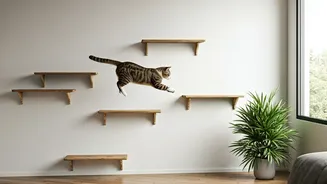
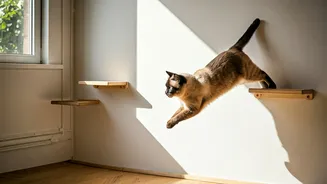
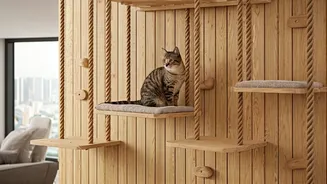
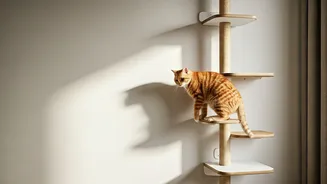
A cat perched atop a high shelf isn't just being nosy; it's following a deep-seated instinct. In the wild, vertical space is power. It offers a strategic vantage point for spotting both prey and predators, providing a sense of security and control. For
an indoor cat, this translates to a safe retreat from a busy household—away from the vacuum cleaner, a toddler's grasp, or an overly friendly dog. By providing elevated pathways, you’re not just adding furniture; you’re catering to your cat's mental and emotional well-being. This vertical territory, often called a 'cat superhighway', reduces stress, encourages exercise, and can even help mitigate conflicts in multi-cat homes by providing more personal space.
Designing Your Feline Superhighway
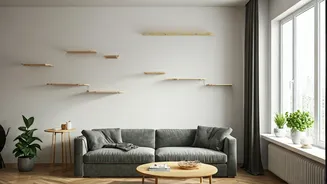
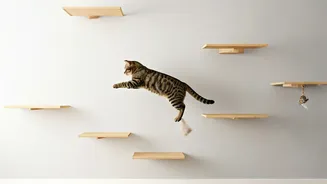
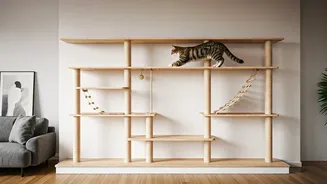
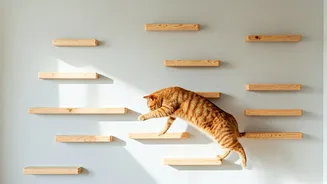
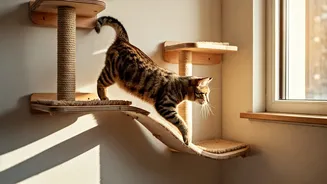
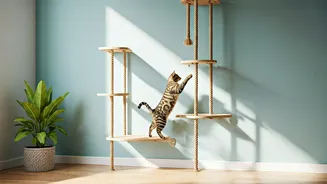
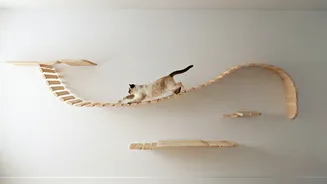
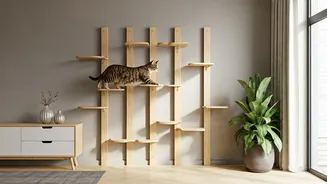
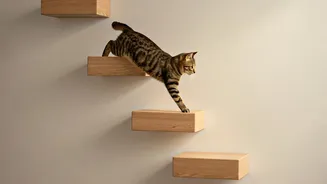
Before you start drilling, take a moment to think like a cat. The best designs are not just a single bridge but a network of paths. Look at your walls and imagine a route. Where does your cat like to hang out? A bridge leading to a sunny window perch or a cosy nook above a wardrobe is a great start. The key is flow. Ensure there are multiple entry and exit points so your cat never feels trapped. A simple layout might connect two wall-mounted shelves with a single timber or rope bridge. A more ambitious project could create a loop around an entire room, incorporating shelves, steps, and hammocks. Consider the spacing—most cats can comfortably jump a few feet horizontally and vertically, but don't make the gaps so large they become intimidating. The goal is a confident commute, not a terrifying leap of faith.
Choosing Your Bridge: DIY vs. Store-Bought
Once you have a plan, it's time to source your materials. The market for stylish cat furniture has exploded, and you can find beautiful, pre-made bridge kits online. These often come with all the necessary hardware and instructions, making them a great option if you're not confident in your DIY skills. They are typically tested for safety and designed with feline ergonomics in mind. On the other hand, a DIY approach offers complete creative control. A simple plank of untreated, solid timber (like pine or cedar) paired with sturdy brackets can make an effective and minimalist bridge. You could also use thick, natural rope for a more rustic, wobbly challenge. If you go the DIY route, ensure all materials are non-toxic. Avoid treated or painted wood unless you can verify the paint is pet-safe, and sand down any splinters for a paw-friendly finish.
Safety First: The Art of Secure Installation
This is the most critical step. A wobbly or poorly mounted bridge is a hazard. Your number one tool is a stud finder. Attaching brackets directly to the wall studs is the most secure method for supporting your cat's weight, especially when they are running or jumping. If your desired location doesn't have a stud, you must use heavy-duty drywall anchors specifically rated to hold significant weight. Don't rely on the small plastic anchors that come with many household items. When installing, use a level to ensure shelves are straight and bridges are evenly tensioned. Once everything is mounted, test it yourself. Push down firmly on every component to check for any movement or weakness before you let your cat explore. A secure setup gives both you and your cat peace of mind.
The Grand Unveiling: Encouraging Your Explorer
You've built it, but will they come? Some adventurous cats will be scaling the walls before your tools are put away. Cautious cats, however, might need some encouragement. Never force your cat onto the new furniture. Instead, make it an inviting destination. Place their favourite treats, a sprinkle of catnip, or a beloved toy along the path. Use a laser pointer or a wand toy to guide them up and across, turning exploration into a game. Start by luring them onto the first, lowest shelf. Let them get comfortable there before encouraging them to venture further. Positive reinforcement is key. Every time they use the highway, offer praise or a small reward. With a little patience, they’ll soon be ruling their new vertical kingdom like they were born to it—because, in a way, they were.