




The Problem of Plenty
Summer is a glorious time for home cooks. Farmers' markets are overflowing with vibrant vegetables and fragrant herbs, inspiring countless salads, grills, and light pasta dishes. But with all that chopping, peeling, and trimming comes a hidden cost: a mountain
of scraps. Onion skins, carrot tops, celery ends, corn cobs, and the woody stems of parsley and cilantro often head straight for the bin. While composting is a great option, throwing away these pieces means you're also throwing away a huge amount of potential flavour. It’s a missed opportunity to make your food taste better, save money on groceries, and run a more sustainable kitchen with minimal effort.
The Ultimate Hack: Your Freezer Scrap Bag
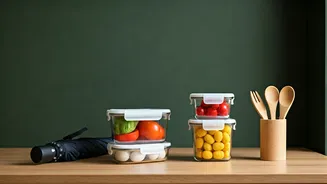
Enter the game-changing hack: the freezer scrap bag. The concept is incredibly simple. Designate a large, reusable silicone bag or freezer-safe container as your official scrap collector. As you cook throughout the week, instead of tossing your vegetable trimmings, give them a quick rinse and add them to the bag in your freezer. Think of it as a flavour savings account. The peels from onions and garlic, the tough ends of leeks and celery, mushroom stems, and carrot peels are all perfect candidates. By freezing them, you prevent them from spoiling and accumulate enough to do something truly wonderful with them.
From Scraps to Liquid Gold
Once your scrap bag is full, it's time to make homemade vegetable stock. This liquid gold costs virtually nothing to make and will elevate your cooking far beyond what store-bought cubes or cartons can offer. Simply empty the frozen contents of your bag into a large stockpot. Add a few extra aromatics if you like, such as a bay leaf, a few whole peppercorns, and some parsley stems. Cover the scraps with cold water until they begin to float, bring the pot to a boil, then reduce the heat to a gentle simmer. Let it bubble away for at least an hour, though longer will create a deeper flavour. Afterwards, simply strain the liquid through a fine-mesh sieve into a large bowl, pressing on the solids to extract every last drop. The resulting stock can be used immediately or frozen in portions for future use in soups, risottos, sauces, or for cooking grains.
Know Your Scraps: What to Use and Avoid
While this method is forgiving, a little knowledge goes a long way. For a balanced, delicious stock, focus on scraps from onions (skins add great color), carrots, celery, leeks, garlic, and fennel. Mushroom stems, corn cobs, and parsley stems also add wonderful depth. However, some vegetables can make your stock bitter or unpleasant. It's best to avoid scraps from cruciferous vegetables like broccoli, cauliflower, cabbage, and Brussels sprouts. Their strong, sulfuric flavour can easily overpower the broth. Potato peels can make a stock cloudy and taste earthy, so use them sparingly. And unless you want a bright pink stock, it's wise to leave out beetroot scraps.
Beyond the Stockpot
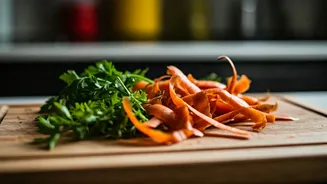
While making stock is the cornerstone of the scrap-bag hack, don't stop there. Many scraps have other creative uses. Tough herb stems from rosemary or thyme can be used as flavourful skewers for grilling. Softer stems from cilantro and parsley can be finely chopped and blended into pestos, chimichurri, or green sauces. You can also infuse olive oil or vinegar by steeping them with herb stems and garlic skins for a few days, creating a custom condiment for dressings and marinades. Even vegetable peelings can have a second life. Toss fresh, clean potato or carrot peels with a little oil and salt, then bake them at a high temperature until crispy for a delicious, crunchy snack.