






The Backlash Against 'Healthy' Snacks
The vibrant, slickly marketed world of fitness snacks is facing a quiet rebellion. For years, protein bars, gels, and powders—many of which fall into the category of ultra-processed foods (UPFs)—were the default fuel for active people. They promised convenience
and performance-boosting macros. But a new wave of nutritional awareness, particularly among Gen Z and millennials, is fueling skepticism. Consumers are becoming more adept at reading labels and recognizing that high protein content can often come with a long list of artificial sweeteners, preservatives, emulsifiers, and cheap fillers. This isn't about demonizing a convenient snack; it's about a conscious shift. The same person who meticulously plans their workout is now applying that same discipline to what they eat, seeking whole, recognizable ingredients over lab-engineered food products. The question they’re asking is simple: why train a natural body with unnatural fuel?
So, What Exactly Are Millets?
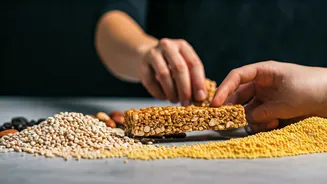
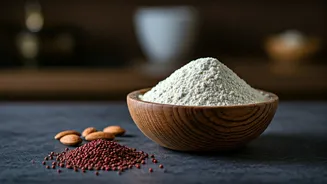
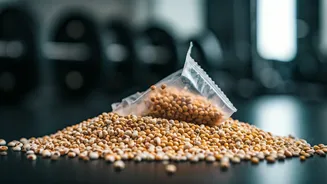
For many Americans, millets are most familiar as the tiny, round seeds found in birdseed mixes. But for thousands of years, across Africa and Asia, they have been a staple food for humans. Millets are not a single type of grain but a group of small-seeded grasses. Varieties like foxtail, pearl, and finger millet offer slightly different nutritional profiles and textures, but they share common traits: they are typically gluten-free, resilient crops that require little water, making them an environmentally friendly choice. Part of their newfound appeal in the U.S. is this combination of ancient-world authenticity and modern-day sustainability. They’re being rediscovered not as a poverty food, but as a “super grain” that was here long before quinoa and chia seeds had their moment in the wellness spotlight.
The Perfect Fuel for Fitness
The reason millets are resonating so strongly with the fitness community comes down to their impressive nutritional resume. They are a fantastic source of complex carbohydrates, which provide slow-releasing, sustained energy—perfect for fueling a long workout or replenishing glycogen stores afterward. Unlike simple sugars found in many processed snacks that cause an energy spike and crash, millets help maintain stable blood sugar levels. Furthermore, they are a good source of plant-based protein and are packed with fiber, which aids in digestion and promotes satiety, helping to curb post-workout hunger pangs. They also deliver essential micronutrients like magnesium (crucial for muscle function and recovery), iron (for energy and oxygen transport), and B vitamins. This complete package makes millet a functional food that supports both performance and overall health, aligning perfectly with the holistic goals of today's gym-goer.
Beyond a Bowl of Porridge
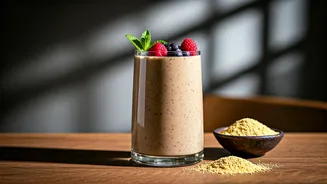
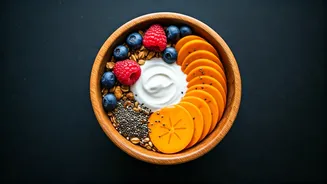
The idea of cooking a new grain can be intimidating, but millets are incredibly versatile and easy to incorporate into any diet. They have a mild, slightly nutty flavor that adapts well to both savory and sweet preparations. The simplest way to start is to use it as a substitute for rice or quinoa; it cooks in about 20-25 minutes. You can toss cooked and cooled millet into salads for a boost of texture and substance, or use it as a base for a hearty grain bowl topped with roasted vegetables, lean protein, and a flavorful dressing. For breakfast, millet porridge is a comforting alternative to oatmeal. It can also be “puffed” like popcorn for a crunchy snack, ground into flour for gluten-free baking, or added to soups and stews to make them more filling. This versatility is key to its growing popularity—it’s not a restrictive diet food but an expansive ingredient that makes healthy eating more interesting.