





The Philosophy of the Bowl
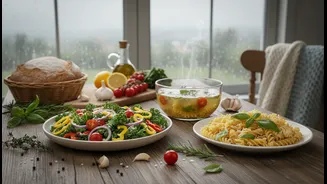
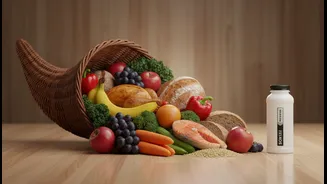
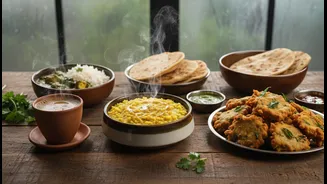
The one-bowl meal is more than just a trend; it's a philosophy. It’s about building a complete, nutritionally balanced meal with minimal fuss and maximum flavour. Think of it as a beautiful, edible puzzle where every piece—protein, grain, vegetable, and sauce—comes
together in perfect harmony. This isn't about just tossing leftovers together; it’s a mindful approach to eating that celebrates texture, colour, and taste. The best part? It drastically cuts down on cooking and washing-up time, making it the perfect solution for busy professionals, students, and families alike. It's a method, not a strict recipe, giving you the freedom to use what you have and what you love.
Step 1: Build Your Base
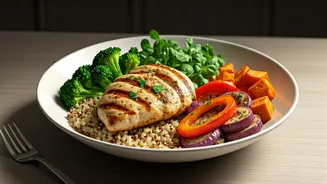
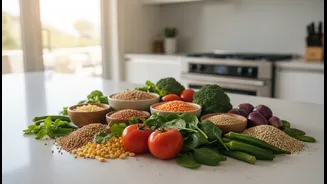
Every great bowl starts with a solid foundation. This layer provides satisfying carbohydrates for energy and serves as the canvas for your other ingredients. You can go warm or cold, depending on your mood and the weather. Whole grains are a fantastic choice, offering fibre and nutrients. Think fluffy quinoa, nutty brown rice, or hearty indigenous millets like foxtail (kangni) or pearl (bajra). For a lighter, fresher take, a bed of mixed greens like spinach and lettuce works beautifully. Or, consider noodles—soba, udon, or even whole wheat—for a slurp-able, comforting meal.
Step 2: Pick Your Protein
Protein is what gives your meal staying power, keeping you full and satisfied for hours. The options are endless and can easily be adapted for any dietary preference. For vegetarians, cubes of spiced paneer, pan-fried tofu, or a generous scoop of chickpeas (chana) or kidney beans (rajma) are excellent. A hard-boiled egg, halved, adds a classic touch. For non-vegetarians, shredded grilled chicken, leftover tandoori chicken, or even flaky fish can be the star of the show. The key is to ensure it’s cooked simply and seasoned well to complement the other elements.
Step 3: Add a Rainbow of Vegetables
This is where you add colour, crunch, and a huge dose of vitamins. A good rule is to include both cooked and raw vegetables for a variety of textures. Quick-roasted vegetables like carrots, bell peppers (capsicum), and sweet potatoes add a sweet, caramelised depth. Meanwhile, raw elements like sliced cucumber, cherry tomatoes, grated carrots, and pickled onions provide a crisp, refreshing contrast. Don’t be afraid to experiment with what’s in season. A handful of blanched broccoli, corn, or green beans can instantly elevate your bowl.
Step 4: The Sauce That Ties It All Together
A great sauce is the soul of the bowl; it’s the element that unifies everything. You don’t need anything complicated. A simple dressing can be whisked up in minutes. A classic vinaigrette of olive oil, lemon juice, salt, and pepper works with almost anything. For a creamier texture, try a tahini dressing (tahini, water, lime juice, garlic) or even a simple hung curd dip flavoured with mint and coriander. A drizzle of a spicy-sweet soy-ginger dressing can transform your bowl into an Asian-inspired delight, while a vibrant green chutney adds a distinctly Indian kick.
Step 5: The Finishing Touch
The final flourish is all about adding that extra bit of texture and flavour that makes the bowl truly special. This is the crunch, the zing, the little surprise in every bite. A sprinkle of toasted sesame seeds, pumpkin seeds, or crushed peanuts adds a wonderful nuttiness. Fresh herbs like coriander or mint bring a burst of freshness. For a desi twist, a spoonful of crispy sev or boondi can be a game-changer. A wedge of lime on the side, ready to be squeezed over everything, is always a good idea.