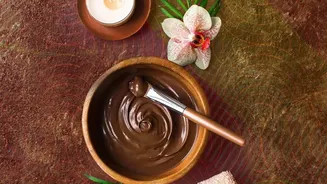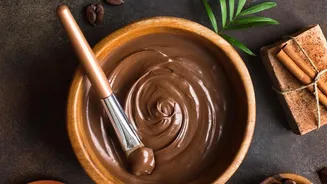



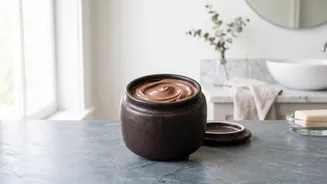
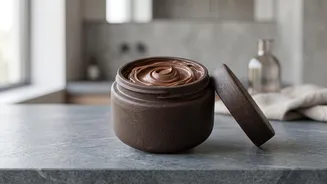
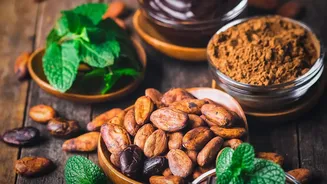
The idea of smoothing a rich, chocolatey paste over your face sounds like the ultimate self-care indulgence. But beyond the delicious scent, what is that cocoa mask actually doing for your skin? Let's unwrap the truth.
The Core Claim: A Feast of Antioxidants
The main argument for cocoa in skincare
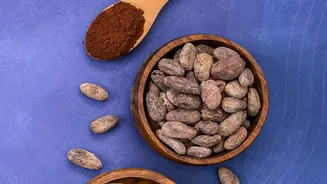
comes down to one powerful word: antioxidants. Dark chocolate and raw cacao powder are packed with compounds called flavonoids and polyphenols. These are the same plant-based heroes found in green tea and red wine. In theory, when applied to the skin, these antioxidants help protect your cells from damage caused by free radicals—unstable molecules from pollution and UV rays that accelerate aging. Dermatologists agree that cocoa's high antioxidant content is what makes it a compelling ingredient for skincare.
What They Can Promise: A Healthy Glow and Hydration
When used correctly, a cocoa mask can deliver some real, visible benefits. The flavonoids can help improve blood circulation to the skin, which delivers more oxygen and nutrients to the cells, promoting a healthier, more radiant complexion. Some studies, primarily on consuming cocoa, suggest these compounds can also help protect skin from UV damage, though a mask is no substitute for sunscreen. Furthermore, cocoa butter, a natural fat in chocolate, is an excellent emollient. When included in a mask, it helps to hydrate the skin and lock in moisture, leaving it feeling soft and supple, which can be especially beneficial for dry skin types.
What They Cannot Promise: A Miracle Wrinkle Eraser
Here's where we need to manage expectations. While antioxidants can help prevent future damage and support collagen health, no face mask can magically erase deep-set wrinkles or completely reverse significant signs of aging. Claims that a chocolate mask will make you look ten years younger overnight are marketing hype, not scientific fact. The benefits are more about protection, hydration, and promoting a healthy glow than turning back the clock. Some dermatologists also note that the antioxidant molecules in a DIY mask might be too large to penetrate the skin deeply enough to effect major changes, limiting their impact to the surface.
The Acne Question: Friend or Foe?
The relationship between chocolate and acne is complicated. While eating sugary milk chocolate has been linked to breakouts for some, applying pure cocoa topically is a different story. Cocoa has anti-inflammatory properties that can help soothe redness and irritation associated with breakouts. Some sources claim its antibacterial properties and zinc content can help fight acne-causing bacteria and reduce excess oil. However, this is not a replacement for proven acne treatments. If you are prone to acne, be wary of DIY recipes that mix cocoa with pore-clogging ingredients like coconut oil or dairy products like milk or yogurt, which can trigger breakouts for some individuals.
The DIY Dilemma: Choose Your Chocolate Wisely
Whipping up a chocolate mask at home can be a fun and affordable option, but the ingredients matter immensely. Always use unsweetened, 100% cocoa or cacao powder, preferably one that is not 'Dutch-processed' or treated with alkali, as that process can reduce the flavonoid content. Avoid using melted chocolate bars, which are full of sugar and fats that offer no benefit and may irritate the skin or clog pores. A dermatologist-recommended simple recipe involves mixing dark cocoa powder with plain yogurt, which contains lactic acid to help gently exfoliate. But as with any DIY treatment, there's a risk of irritation or allergic reactions, so always do a patch test first.