


Bajra (Pearl Millet)
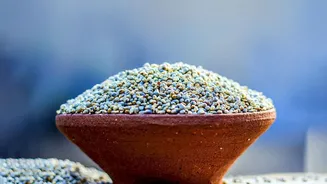
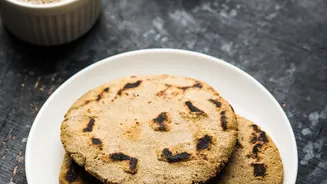
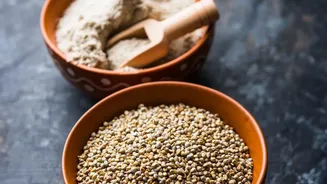
This hardy, gluten-free grain is a winter staple in states like Rajasthan and Gujarat for good reason. Bajra is considered a 'warming' food in traditional Indian medicine because it takes longer to digest, generating heat and keeping you warm from the
inside out. It's also rich in fibre, which promotes satiety and prevents the urge to over-snack on cold days, along with essential minerals like iron and magnesium. A simple way to incorporate it is by making Bajra Roti, served hot with a dollop of ghee. For a one-pot meal, try a comforting Bajra Khichdi cooked with moong dal and seasonal vegetables.
Sarson (Mustard Greens)
A quintessential winter delicacy in Punjab, Sarson ka Saag is more than just a flavourful dish. Mustard greens are packed with nutrients crucial for the colder months, including vitamins A, C, and K. Vitamin C is a well-known immunity booster, while vitamin K supports bone health. These greens are also a good source of dietary fibre and iron, helping to combat winter sluggishness. While traditionally paired with Makki ki Roti, you can also finely chop the leaves and add them to dals, paratha fillings, or even soups to get their nutritional benefits.
Amla (Indian Gooseberry)
Amla is a true winter superfood, celebrated for having one of the highest concentrations of Vitamin C found in a fruit. This potent antioxidant content helps strengthen the immune system, making your body more resilient against common winter illnesses like colds and coughs. Amla is also known to boost digestion, which can become sluggish in colder weather, and promote glowing skin by enhancing collagen production. Enjoy it fresh with a sprinkle of salt, juice it with a bit of ginger, or make a tangy Amla Murabba (sweet preserve) to last you through the season.
Til (Sesame Seeds)
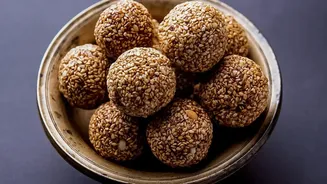
From Til ke Ladoo to Gajak and Chikki, sesame seeds are synonymous with Indian winters. These tiny seeds are nutritional powerhouses, containing healthy fats and oils that are believed to generate body heat. They are an excellent source of calcium and magnesium, which support bone and joint health, something that can be particularly beneficial when winter stiffness sets in. The combination of til and jaggery is a classic for a reason; jaggery aids in the absorption of minerals and provides a quick energy boost to fight winter lethargy. Sprinkle toasted sesame seeds on salads and sabzis, or make traditional til-gur sweets for a healthy treat.
Gond (Edible Gum)
Gond, a natural resin from the Acacia tree, is the star ingredient in the famous winter delight, Gond ke Laddu. Traditionally considered a 'warming' food in Ayurveda, gond is known for its ability to provide energy and bolster immunity against seasonal infections. It is particularly valued for strengthening bones and lubricating joints, offering relief from aches and stiffness that can worsen in the cold. While making laddus is the most popular method of consumption, you can also pan-fry the puffed gond in a little ghee and add it to a bowl of warm milk or porridge.
Shakarkandi (Sweet Potato)
Sweet potatoes are a versatile and nutritious root vegetable readily available throughout the winter. They are an excellent source of fibre, vitamins A and C, and complex carbohydrates that provide slow-release energy, keeping you feeling full and energised. Unlike regular potatoes, they have a lower glycemic index. Their natural sweetness makes them a healthy choice for satisfying winter cravings. Enjoy them roasted as Shakarkandi Chaat with tangy spices, mash them into cutlets, or make a simple and comforting sweet potato halwa with jaggery instead of sugar.
Kacchi Haldi (Fresh Turmeric)
While dried turmeric powder is a year-round staple, fresh turmeric root makes its appearance in winter and offers potent health benefits. Its active compound, curcumin, has powerful anti-inflammatory and antioxidant properties. Consuming fresh turmeric can help boost the immune system, soothe a sore throat, and reduce the joint inflammation that cold weather can aggravate. The easiest way to use it is to grate it into warm milk to create the classic 'haldi doodh'. You can also add finely chopped fresh turmeric to dals, sabzis, and even pickles for an immunity-boosting kick.