






A New Blueprint for the Red Planet
For decades, Mars exploration followed a familiar script: NASA would design, build, and operate a highly customized, multi-billion-dollar rover or orbiter for a specific scientific purpose. Missions like the Perseverance and Curiosity rovers have delivered
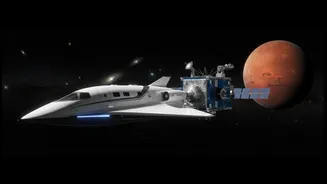
incredible science but come with staggering price tags and long development timelines. This traditional 'flagship' model, while successful, is difficult to sustain. In response, NASA is spearheading a major strategic shift. The agency's new 20-year plan for Mars focuses on smaller, lower-cost robotic missions launched more often. At the heart of this strategy is a deeper partnership with the commercial space industry, aiming to buy services from private companies rather than owning and operating every piece of hardware itself.
Learning from the Moon
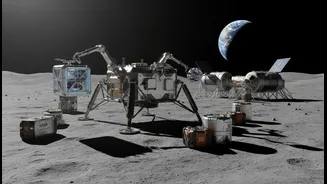
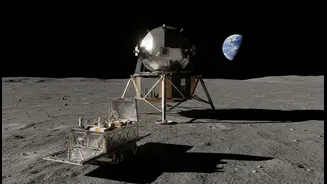
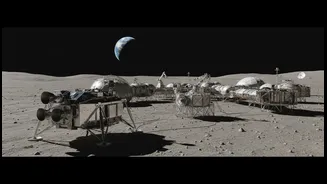
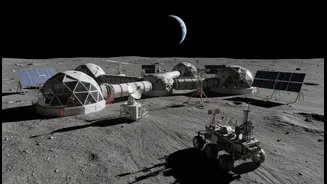
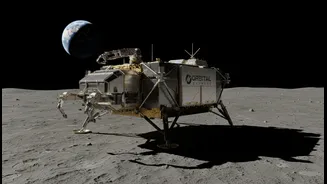
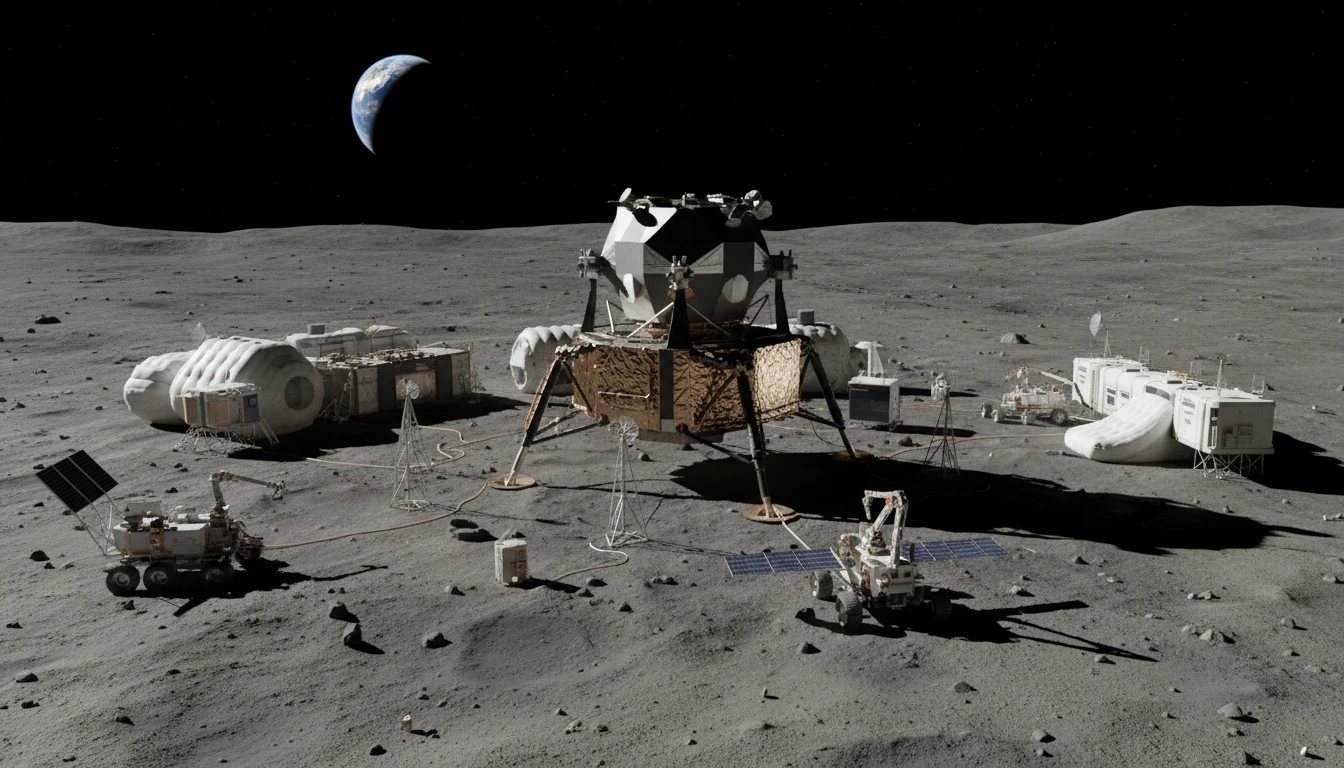
This new approach for Mars isn't being built from scratch. It's modeled on the success of NASA's Commercial Lunar Payload Services (CLPS) program. Through CLPS, NASA doesn't build its own lunar landers; instead, it purchases payload delivery services from a pool of pre-approved American companies. This has allowed the agency to send dozens of science and technology payloads to the Moon on various commercial spacecraft, accelerating research and stimulating a commercial market for lunar access. The CLPS model accepts a higher level of risk for a greater reward: faster, cheaper access to the lunar surface. By treating trips to the Moon like a delivery service, NASA has jumpstarted a new lunar economy. Now, the agency is looking to see if the same business model can work for the much greater challenge of Mars.
The New Players in the Mars Game
In 2024, NASA selected nine U.S. companies to study how their commercial services could be applied to Mars missions. These are not just aerospace giants; they include a mix of established players and innovative newcomers. The companies were tasked with exploring concepts for four main service areas: delivering small and large payloads to Mars, providing high-resolution surface imaging from orbit, and creating next-generation communication relays. For payload delivery, companies like Lockheed Martin, Firefly Aerospace, and Blue Origin are adapting designs for lunar landers or in-space 'tugs'. For advanced imaging and communications, players such as SpaceX, Albedo Space, and Redwire are exploring how to modify satellite technology developed for Earth orbit. More recently, in July 2026, NASA awarded contracts to seven companies, including Astrobotic and Intuitive Machines, under the STRIDE initiative to develop next-generation robotic mobility systems for the Martian surface.
Cheaper, Faster, and More Agile
The goal of this public-private model is to create a vibrant marketplace for Mars services. This could dramatically lower the barrier to entry for sending science to the Red Planet. Instead of a single, massive mission every decade, NASA envisions a steady cadence of smaller missions, potentially launching with every 26-month alignment between Earth and Mars. This approach allows for more scientific opportunities and greater flexibility. If a discovery is made, a follow-up mission could be launched relatively quickly and affordably. It also helps replenish critical infrastructure, like communication orbiters, more sustainably. While this commercial-first approach may involve more risk than a traditional NASA-led mission, the potential payoff is a more dynamic and accessible era of planetary exploration, one that prepares for the eventual arrival of humans on Mars.