




What is Adaptive Learning AI?
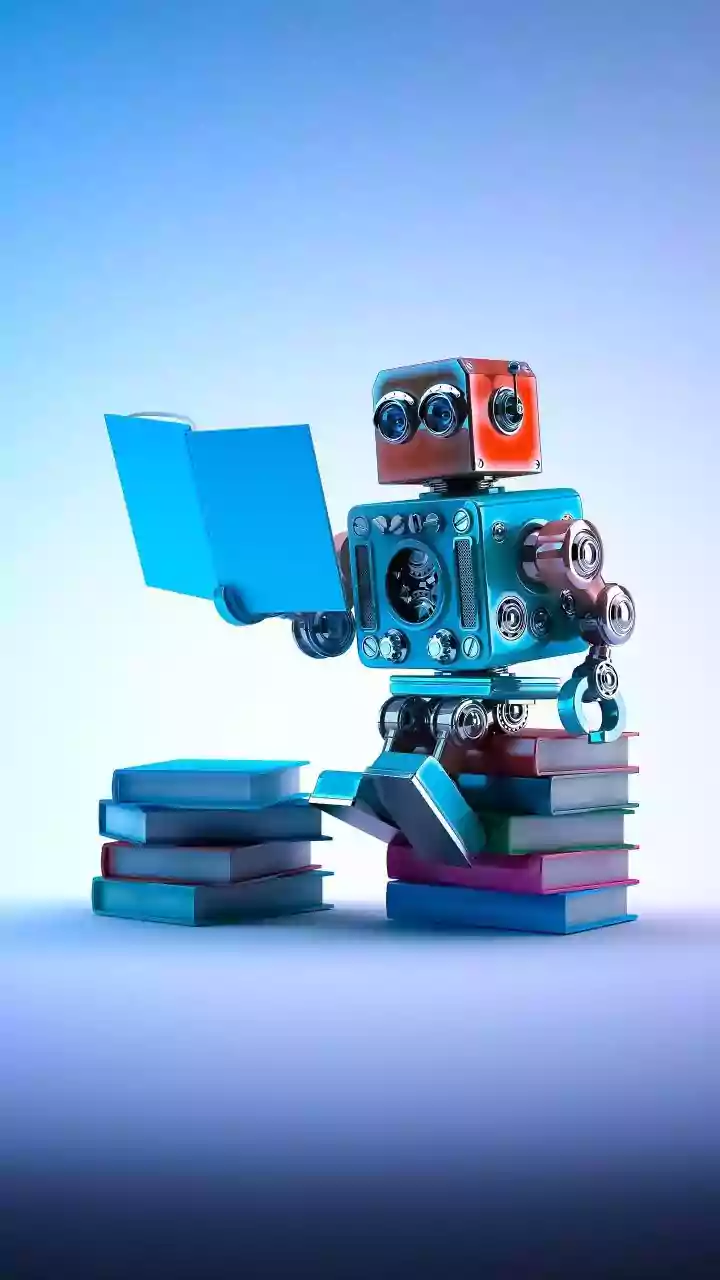
At its core, adaptive learning AI is a technology-driven educational method that acts like a personal digital tutor. Instead of presenting a static, one-size-fits-all curriculum to every student, it uses artificial intelligence algorithms to adjust the
learning material in real-time based on a student's performance, engagement, and unique learning pace. Think of it like a video game that gets harder as you get better, ensuring you are always challenged but never overwhelmed. In the context of reading, this means an app can analyse how a child interacts with a text—their reading speed, which words they stumble on, and their comprehension of the material—and then serve up the next paragraph, story, or quiz at the perfect level of difficulty.
From Static Pages to Dynamic Journeys
For generations, the classroom model has been straightforward: one teacher, one textbook, and a classroom full of students with vastly different abilities. This often leads to a frustrating mismatch. Advanced readers get bored, while those who need more support fall further behind. The textbook, a static and unchanging object, can't cater to this diversity. Smart educational apps are flipping this script entirely. They treat learning not as a single highway everyone must travel, but as a network of individual paths. By 'regulating book hardness,' these apps ensure that a student is always operating within their 'Zone of Proximal Development'—a sweet spot where the material is challenging enough to encourage growth but not so difficult that it leads to frustration and disengagement. This shift from a uniform to a bespoke experience is the fundamental promise of adaptive learning.
How the 'Smartness' Actually Works
The magic behind these apps isn't just about making words longer or shorter. The AI considers a multitude of factors to determine 'hardness.' It might start a student with a baseline assessment to gauge their initial reading level. As the student reads, the system tracks data points: How long do they spend on a page? Do they use the in-app dictionary for certain words? How do they perform on comprehension questions that follow a chapter? The AI might notice a student struggles with complex sentence structures but has a strong vocabulary. In response, it will offer texts that use simpler sentences but introduce new words. Conversely, if a student is flying through the material, the app will introduce more complex themes, subtle metaphors, or intricate plot points. This constant feedback loop of performance and adjustment is what makes the learning process truly adaptive and personal.
Big Wins for Students and Teachers
The most significant benefit for students is a boost in confidence. When learning material is tailored to their ability, the feeling of 'I can't do this' is replaced by a sense of mastery and progress. This personalised pacing helps build a stronger foundation, preventing knowledge gaps that can widen over time. For teachers, especially in India's often crowded classrooms, this technology is a game-changer. Instead of being a primary content dispenser, a teacher can become a facilitator of learning. The app's dashboard provides them with detailed analytics on each student's progress, highlighting specific areas of weakness. This allows the teacher to spend less time on whole-class instruction and more time providing targeted, one-on-one support to the students who need it most. It transforms their role from lecturer to learning coach.
Challenges and the Human Element
Despite the immense potential, adaptive learning AI is not a silver bullet. One major hurdle in the Indian context is the digital divide—unequal access to smartphones, tablets, and reliable internet connections can mean that these tools only reach a privileged segment of the student population. There are also valid concerns about excessive screen time and the potential for algorithms to create educational 'bubbles' that limit exposure to diverse and challenging ideas. Most importantly, technology can never fully replace the role of a great teacher. The empathy, mentorship, and inspiration a human educator provides are irreplaceable. The goal, therefore, isn't to automate education but to augment it, using AI as a powerful tool to support, not supplant, the human connection at the heart of learning.