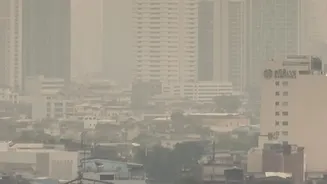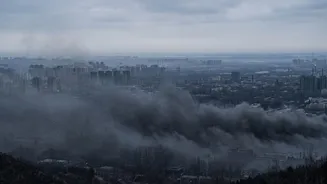






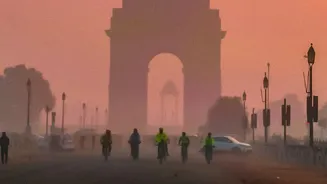
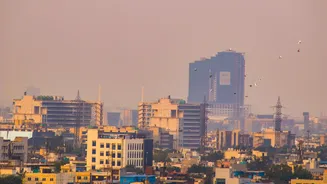
As November arrives, a familiar grey haze descends upon Delhi-NCR, bringing with it itchy throats and burning eyes. This isn't a random occurrence; it's a predictable crisis fueled by a perfect storm of environmental and man-made factors.
The Weather's Chokehold
The single most
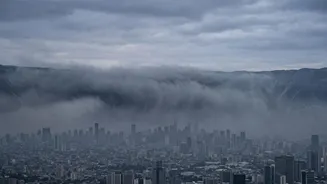
critical factor in November is a weather phenomenon called temperature inversion. As winter approaches, the ground cools rapidly at night, making the air near the surface colder and heavier than the air above it. This warmer layer acts like a lid, trapping the cooler air—and everything in it—below. Unlike in summer, when warm surface air rises and disperses pollutants, winter's inverted atmosphere prevents this vertical mixing. Compounding this are slower wind speeds in winter, which fail to blow the trapped pollutants away, leaving the city to choke in its own emissions.
Smoke from the Fields
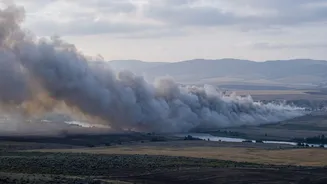
Coinciding perfectly with this meteorological shift is the end of the paddy harvesting season in the neighbouring states of Punjab and Haryana. Farmers have a very short window to clear their fields to sow the next crop, wheat. Burning the leftover crop stubble is the quickest and cheapest method. This practice sends massive plumes of smoke, laden with particulate matter, into the atmosphere. North-westerly winds then carry this smoke directly towards the landlocked Delhi-NCR region. While stubble burning is a seasonal event, its contribution can be significant, accounting for a substantial percentage of Delhi's particulate pollution on peak days in November.
The Constant Urban Burden
While farm fires are a major seasonal contributor, Delhi has a high baseline of pollution throughout the year from its own local sources. Vehicular emissions are a primary culprit, contributing a significant share of the city's pollution load, especially nitrogen oxides. Other major sources include industrial emissions from factories and power plants, dust from widespread construction activities, and the burning of waste. These pollutants are emitted daily, but the winter temperature inversion traps them with deadly efficiency. What might have dispersed in summer gets concentrated at breathing level in November.
The Festive Factor
The festive season, particularly Diwali, often falls in late October or early November, adding another layer to the crisis. Despite restrictions, the bursting of firecrackers releases a concentrated burst of harmful chemicals and particulate matter into the air over a short period. When these emissions coincide with the onset of stubble burning and unfavourable weather conditions, it pushes the already deteriorating air quality from 'very poor' into the 'severe' or 'hazardous' category, creating a public health emergency.
A Geographical Trap
Delhi's geography also plays a role in its pollution woes. The city is largely landlocked and sits in a basin-like topographical area. The Himalayas to the north can block the escape of air masses, effectively creating a 'bowl' that traps pollutants. This geographical disadvantage means that once pollutants enter the region, whether from nearby states or local sources, they are much harder to clear out, especially under the calm, inverted atmospheric conditions of November.