



The Viral Video: A Positive Start
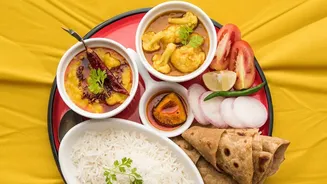
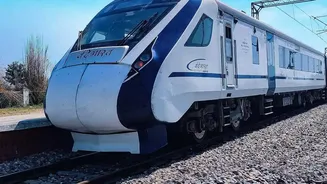
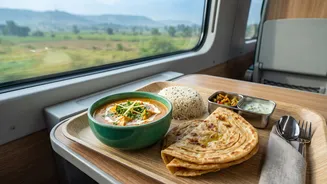
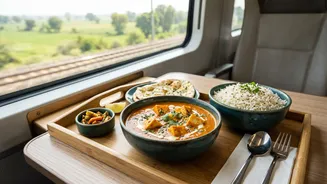
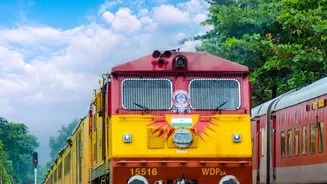
Shortly after its inaugural run on November 13, 2026, a video from the Bengaluru-Goa Vande Bharat Express went viral. Shared by a vlogger, the clip captured passengers' pleasant surprise with the meal service. The food, catered by the well-known South
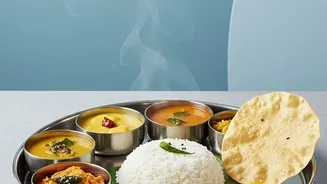
Indian restaurant chain Adyar Ananda Bhavan (A2B), received high praise. The menu for the inaugural journey reportedly included items like Puran Poli, paneer curry, rice, and curd. Fellow passengers shared positive opinions, with one remarking that the paneer curry was excellent. The vlogger and others also noted positive aspects like the sustainable handling of leftover food, which was collected and redistributed to prevent waste. So, the prominent video from this specific route was, contrary to some online chatter, a glowing review.
The Broader Context of Food Complaints
While the Bengaluru-Goa service began on a high note, the headline-grabbing video does not exist in a vacuum. The Vande Bharat brand, positioned as a premium service by Indian Railways, has frequently been at the center of passenger complaints regarding food quality on other routes. These incidents, often amplified by social media, paint a more complex picture. For years, passengers on various Vande Bharat trains have posted videos and photos alleging issues ranging from excessively oily food to spoiled or unhygienic meals. In one widely circulated video from a Secunderabad-Visakhapatnam train, a passenger was seen squeezing a large amount of oil from a vada, prompting an immediate response from the Indian Railway Catering and Tourism Corporation (IRCTC).
When Complaints Lead to Action
Passenger complaints are not just social media noise; they have led to significant penalties. In a major incident in March 2026, a passenger on the Patna-Tatanagar Vande Bharat Express found worms in a curd container served with his meal. The passenger's video evidence went viral, leading to a swift and severe response from the Ministry of Railways. The ministry imposed a staggering penalty of ₹50 lakh on the service provider and ordered the termination of their contract. Additionally, IRCTC itself was fined ₹10 lakh for the lapse. Other incidents have included allegations of spoiled milk on a Nizamuddin-Jhansi service and concerns about food being heated in plastic packaging not certified for such use. These events show a pattern of both service gaps and official accountability.
How Vande Bharat Catering Works
Understanding the system is key to understanding the mixed reports. Catering on Vande Bharat trains is not mandatory. Passengers have the option to select 'No Meal' when booking their ticket, which reduces the fare by ₹200 to ₹600 depending on the journey's length. If you opt out but later decide to eat, you can buy meals onboard, but they cost about ₹50 more per meal than if pre-booked, and availability is not guaranteed. IRCTC manages this massive operation, which serves millions of passengers daily, by contracting third-party vendors for different routes. This is why quality can vary significantly from one train to another—as seen in the contrast between the highly-praised A2B food on the Goa route and the issues reported elsewhere. For grievances, passengers are encouraged to use the RailMadad portal or dial 139 for formal complaint registration.