


As winter arrives, so does the unwelcome return of a tight, itchy, and flaky scalp. The combination of cold air outside and dry heat inside strips moisture from your skin. But a simple, time-tested remedy can bring soothing relief and restore balance.
The Winter Assault on Your Scalp
Your scalp is skin, and just like the skin on your hands, it suffers when humidity drops. In winter, a perfect storm of factors works against scalp health. The cold, dry air outdoors leaches moisture from the skin's surface. Indoors, central heating creates an equally arid environment, further depleting your scalp's natural oils. To make matters worse, many of us enjoy long, hot showers to warm up, but this habit strips the scalp of its protective lipid barrier, leading to a state of dehydration known as transepidermal water loss. This results in that all-too-familiar tightness, itchiness, and a flurry of white flakes on your favourite dark jumper.
How a Warm Oil Massage Works
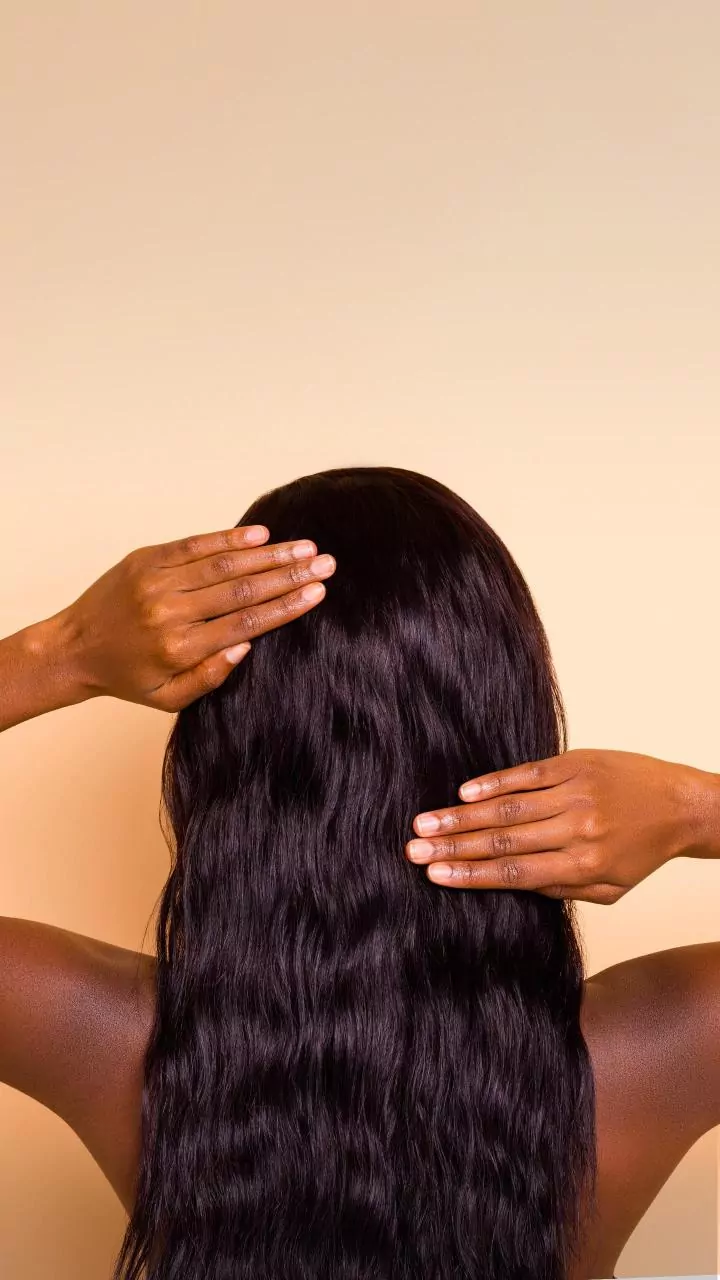
A warm oil massage is more than just a relaxing ritual; it's a direct response to winter's effects. Gently warming the oil helps it penetrate the hair and skin more effectively. The oil itself replenishes the lipids that have been stripped away, forming a protective barrier to lock in moisture and prevent further water loss. The act of massaging has its own benefits. Using your fingertips in gentle, circular motions stimulates blood circulation to the scalp. This increased blood flow delivers more oxygen and essential nutrients to the hair follicles, promoting a healthy environment for hair growth and soothing irritation.
Choosing the Right Oil
Not all oils are created equal, and the best one for you depends on your hair type and scalp condition. Coconut oil is a popular choice because its molecular structure allows it to penetrate the hair shaft, providing deep moisture. For those with fine hair that gets weighed down easily, jojoba oil is an excellent option because it closely mimics the scalp's natural sebum and absorbs quickly. Almond oil is another lightweight choice, rich in Vitamin E, that soothes irritation. If your scalp is extremely dry, heavier oils like olive oil or Jamaican black castor oil can provide intensive hydration. For an added boost, you can add a few drops of tea tree oil to a carrier oil for its antimicrobial properties or rosemary oil to help stimulate circulation.
A Step-byStep Guide to Your AtHome Ritual
Performing a warm oil massage at home is simple and effective. First, choose your oil and pour 2–3 tablespoons into a heat–safe bowl. To warm it, place this bowl into a larger bowl of hot water for a few minutes; never microwave the oil or heat it directly, as this can create dangerous hot spots. Test the oil on your wrist to ensure it's comfortably warm, not hot. Part your hair into sections and use your fingertips (never your nails) to apply the oil directly to your scalp. Massage gently in circular motions for 5–10 minutes, covering the entire scalp from the hairline to the nape of the neck. Once the scalp is covered, work any remaining oil through the lengths of your hair. Cover your hair with a warm towel or shower cap and let the oil sit for at least 30 minutes, or even overnight for a more intensive treatment. To wash it out, use a gentle, sulfate–free shampoo and lukewarm water.
Getting the Best Results
For best results, consistency is key. A weekly warm oil massage can be a cornerstone of your winter hair care routine. Be careful not to apply too much oil, which can weigh hair down and be difficult to wash out. A little goes a long way. Also, be mindful of pressure; the massage should be firm but gentle, never painful. If you have a known skin condition like psoriasis, eczema, or persistent dandruff, it's wise to speak with a dermatologist before starting regular oil treatments. While oil can help with dryness–related flaking, true dandruff often requires medicated shampoos.