



The Enduring Glow of the Diya
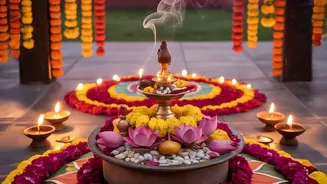
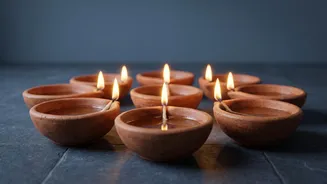
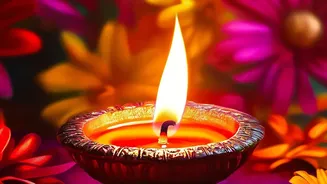
The simple earthen diya is reclaiming its central place in Navratri decorations, moving beyond being just a source of light. Many are choosing traditional clay and brass lamps over electric fairy lights, embracing the deeper symbolism of the flame. In
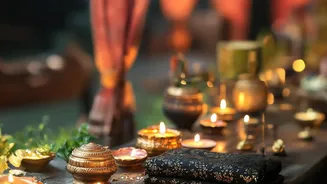
Hindu tradition, the flame of a diya represents consciousness and inner light. Lighting a diya is seen as an offering of one's own awareness to the divine. The practice of keeping an 'Akhand Jyot', a single lamp burning for all nine nights, signifies unbroken devotion and the constant presence of the Goddess in the home. This move towards ghee and oil lamps is not just about tradition; it’s about creating a serene, spiritual atmosphere that mass-produced lighting often cannot replicate. It is a small but powerful act of connecting with the festival's core spiritual purpose.
A Fresh Take on Floral Traditions
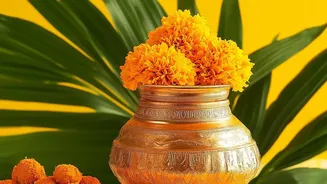
Fresh flowers have always been a part of Navratri, but their use is becoming more intentional and elaborate. Garlands of marigolds, jasmine, and roses are not just for the puja room anymore; they are being used to create stunning torans for doorways, intricate floral rangolis at the entrance, and beautiful arrangements in urlis filled with water. The choice of flowers is also significant, with specific colours often used to align with the colour designated for each of the nine days of Navratri. For instance, orange marigolds might adorn the entrance on the first day, while white jasmine could create a calm atmosphere in the puja corner on the second. This trend reflects a desire to invite nature into the home and celebrate with materials that are both beautiful and biodegradable, connecting devotion with sustainability.
Weaving Heritage into Modern Homes
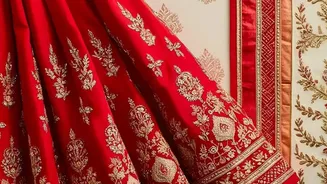
Perhaps the most visible trend this season is the celebration of India’s rich textile heritage, not just in clothing but in home decor. Handwoven fabrics and traditional prints are finding new life as festive cushion covers, elegant table runners, and vibrant backdrops for the mandir. Old saris and colourful dupattas are being repurposed into drapes and wall hangings, adding a personal and sustainable touch. Textiles like Bandhani, Ikat, and those with classic mirror work or Kutchi embroidery are being used to infuse living spaces with warmth and ethnic charm. This isn’t just about aesthetics; it’s a way to support local artisans and keep ancient crafts alive. By incorporating these textiles, families are weaving stories of heritage directly into their festive celebrations.
The Deeper Meaning Behind the Trend
So why this collective return to roots? This movement appears to be more than just a passing trend. For many, it's a conscious choice to move away from disposable, mass-produced plastic decorations toward more meaningful and eco-friendly alternatives. The embrace of handmade items supports artisan communities and preserves cultural craftsmanship. There's also a sense of nostalgia and a desire to connect with the way festivals were celebrated by previous generations. Decorating with natural materials like clay, flowers, and cotton feels more authentic and grounding. In a fast-paced world, these traditional practices offer a way to slow down, engage the senses with natural fragrances and textures, and create a home environment that is not just decorated, but truly blessed with spirit and intention.