








The Foundation of Good Birding: Habitat
Birds, like all wildlife, are entirely dependent on their environment. The single most important factor for a successful birdwatching trip is choosing the right habitat. India, with its incredible ecological diversity, offers a dizzying array of options.
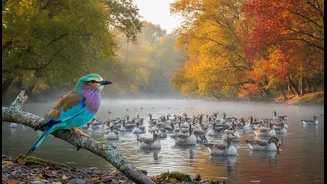
Different habitats attract different species, so your choice of destination will define your sightings. Wetlands and lakes, for instance, are magnets for waterfowl, waders, and migratory visitors. Keoladeo National Park in Rajasthan, a UNESCO World Heritage Site, is a world-famous wetland that hosts over 370 species. Similarly, Chilika Lake in Odisha and the Ranganathittu Bird Sanctuary in Karnataka are essential stops for those wanting to see pelicans, storks, and flamingos. If your interest lies in forest dwellers, the options are just as rich. The Himalayan foothills, with their oak and rhododendron forests, are home to spectacular species. Places like Pangot in Uttarakhand are renowned for pheasants, woodpeckers, and laughingthrushes. For a truly unique experience, the rainforests of the Western Ghats or Northeast India offer a chance to spot endemic species you won't find anywhere else. Thattekad Bird Sanctuary in Kerala, described by the legendary Dr. Salim Ali as the richest bird habitat in peninsular India, is a prime example. The key is to research your destination and align it with the types of birds you hope to see.
The Early Bird Gets the Bird
It’s a well-worn saying for a reason: the best time of day for spotting most birds is the early morning. The period just after sunrise is when birds are at their most active. This is when they are foraging for food after a long night, and it's also when many species are most vocal, singing to establish territories and attract mates. This 'dawn chorus' is not just a beautiful natural concert; it's a practical tool that helps you locate birds that might otherwise remain hidden. Activity tends to peak in the first few hours of daylight and then tapers off as the day heats up. During the midday lull, birds often rest and become quiet, making them much harder to find. While some activity can resume in the late afternoon, it rarely matches the intensity of the morning. Planning your day around these natural rhythms is crucial. This means setting that early alarm, having your gear ready the night before, and being in the field as the first light breaks. It requires discipline, but the reward is seeing the avian world at its most vibrant.
Mastering the Elements: Weather Plans
Weather is the one variable you can’t control, but you can certainly plan for it. A pleasant, sunny day isn't always the best for birding. Sometimes, stable, clear weather means migratory birds are focused on covering long distances high in the sky, making them scarce on the ground. A little instability can sometimes lead to a 'fall', where migrating birds are forced to land, creating a bonanza for observers on the ground. However, very windy or rainy conditions will typically reduce bird activity. The key is flexibility. Always check the forecast before you head out and be prepared to adapt. This starts with packing the right clothing—layers are essential, as is reliable rain gear, especially if you’re birding during or near monsoon season. Beyond clothing, a flexible mindset is your best tool. If your primary location is washed out or excessively windy, have a backup plan. This could mean visiting a more sheltered forest trail instead of an exposed wetland, or spending time at a park's interpretive centre, which can offer its own insights. Don’t let imperfect weather ruin your trip; use it as an opportunity to explore a different aspect of the area.
Essentials for an Ethical Outing
Beyond the big three, a few other considerations can elevate your experience and ensure you’re being a responsible visitor. Hiring a knowledgeable local guide can be invaluable. They possess deep knowledge of the area, know where to find specific species, and can interpret bird behaviour in ways a field guide cannot. Speaking of which, a good field guide for the specific region you're visiting is non-negotiable. Most importantly, always practice ethical birding. The welfare of the birds and their habitat comes first. This means keeping a respectful distance, especially from nests and roosting sites. Never use playback calls to lure birds, as this can cause them stress and disrupt natural behaviours. Stay on designated trails to avoid damaging fragile ecosystems and respect the local communities who live near these important bird areas. The goal is to observe and appreciate, leaving no trace behind but your footprints.