





What Exactly Is NEAT?
NEAT stands for Non-Exercise Activity Thermogenesis, a scientific term for the energy you expend doing everything except sleeping, eating, or formal exercise. Think of it as all the 'unstructured' physical activity in your day: walking to the kitchen,
fidgeting at your desk, carrying groceries, or even pacing while on a phone call. These small movements might not feel like a workout, but their cumulative effect is significant. While structured exercise is vital, NEAT is the low-intensity activity that keeps your body moving and burning calories consistently throughout the day, which can make a major difference for those with desk-bound jobs.
Why It Matters for Desk Workers
Prolonged sitting is linked to a host of health concerns, including metabolic issues and discomfort in joints and muscles. Incorporating more NEAT into your day directly counters these risks by breaking up long periods of inactivity. The benefits are extensive: improved circulation, better heart health, healthier blood sugar levels, and even a boost in mood and focus. By embracing NEAT, you can increase your daily energy expenditure, which can contribute to weight management over time. Think of it not as a replacement for exercise, but as a powerful supplement that keeps your body active and engaged, even on the busiest workdays.
Simple Habits to Start at Your Desk
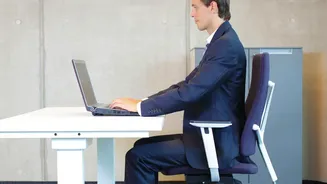
You don't need to overhaul your workspace to get started. Begin by making small adjustments to your current setup. If you have a standing desk, alternate between sitting and standing throughout the day. While seated, you can perform gentle leg extensions, ankle rolls, or shoulder shrugs. Fidgeting, often discouraged, is actually a form of NEAT, so tapping your feet or shifting your posture is beneficial. Another simple trick is to use a smaller water bottle; this forces you to get up and walk to the pantry for refills more frequently, creating natural movement breaks.
Turn Breaks and Calls into Movement Opportunities
Your scheduled breaks and phone calls are prime opportunities for NEAT. Instead of staying seated during a call, stand up and pace around your office or room. Research suggests even short, three-minute movement breaks every half hour can offer significant health benefits. Set a timer to remind yourself to get up, stretch, and walk around for a few minutes every hour. Instead of eating lunch at your desk, take a short walk to a nearby park or even just around the office block. These 'movement snacks' break up mental fatigue and keep your metabolism active.
Use 'Habit Stacking' to Make It Stick
The key to building lasting habits is to make them automatic. One effective method is 'habit stacking', a concept popularized by author James Clear. This involves pairing a new habit you want to build with an existing one that is already part of your routine. For example: After you finish a work report (existing habit), stand up and do five minutes of stretching (new habit). While you wait for your morning coffee to brew (existing habit), do a set of calf raises (new habit). By linking the new movement to an established trigger, you reduce decision fatigue and make the new behavior feel like a natural part of your day.