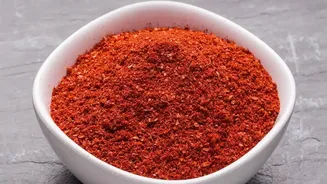





What Exactly Is Sumac?
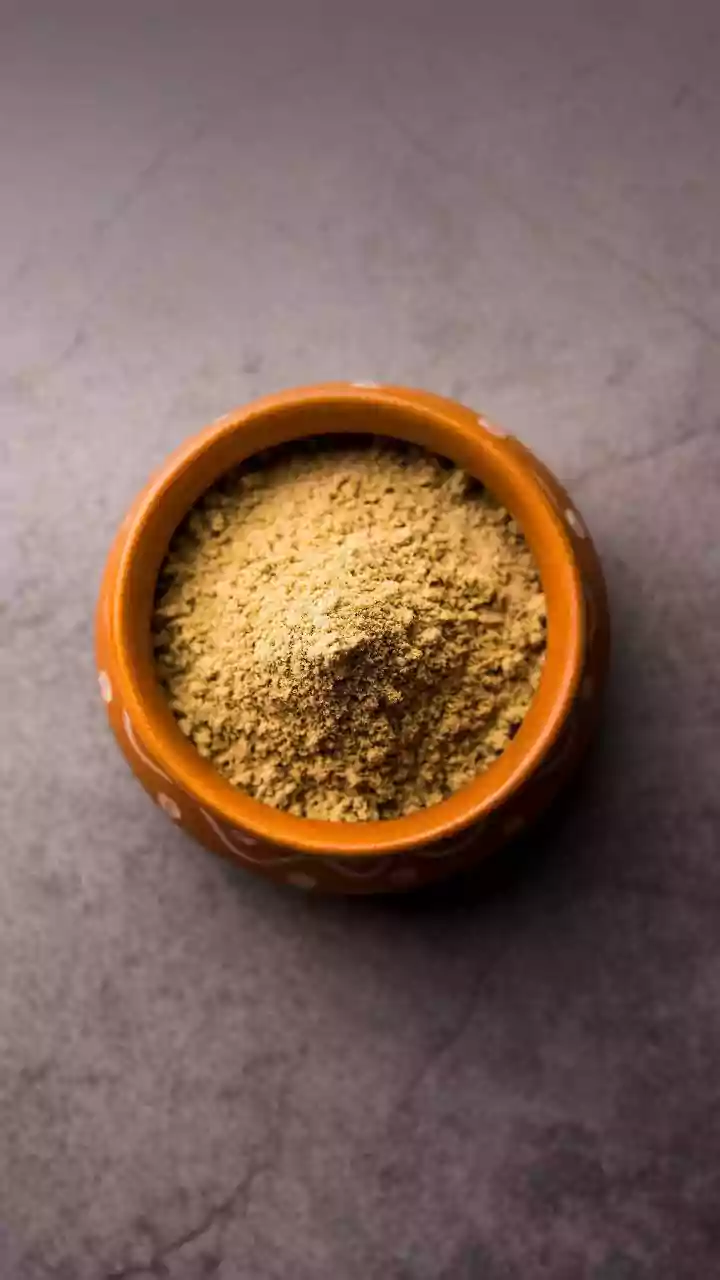
Sumac is a vibrant, coarse powder made from the dried and ground berries of the wild sumac flower, specifically from the Rhus coriaria shrub. For centuries, it has been a staple in Middle Eastern and Mediterranean kitchens, valued for both its flavour
and its stunning deep-red colour. The name itself comes from the Arabic word for 'deep red'. While you may have heard of poison sumac, rest assured the culinary variety is completely safe to eat and is part of the same plant family as cashews and mangoes. Before lemons were widely available, ancient Romans and Greeks used sumac to add a sour taste to their food. Today, it’s often found on tables in Turkey and across the Levant, used as a go-to condiment much like salt and pepper.
A Flavour Beyond Simple Sourness
To say sumac just tastes 'sour' is to sell it short. Its flavour is complex and layered. The initial taste is a bright, lemony tang, but it's followed by earthy, slightly fruity undertones. Unlike the sharp, direct acidity of lemon juice, which comes from citric acid, sumac's sourness is derived from malic acid, the same compound found in apples and grapes. This gives it a rounder, more balanced tartness that is less harsh on the palate. Many describe it as having a dry, astringent quality, similar to a dry red wine or black tea, which adds a pleasant savory depth to its profile. This unique combination of tangy, fruity, and earthy notes is what makes it so versatile and beloved in dishes from salads to grilled meats.
Your Guide to Cooking with Sumac
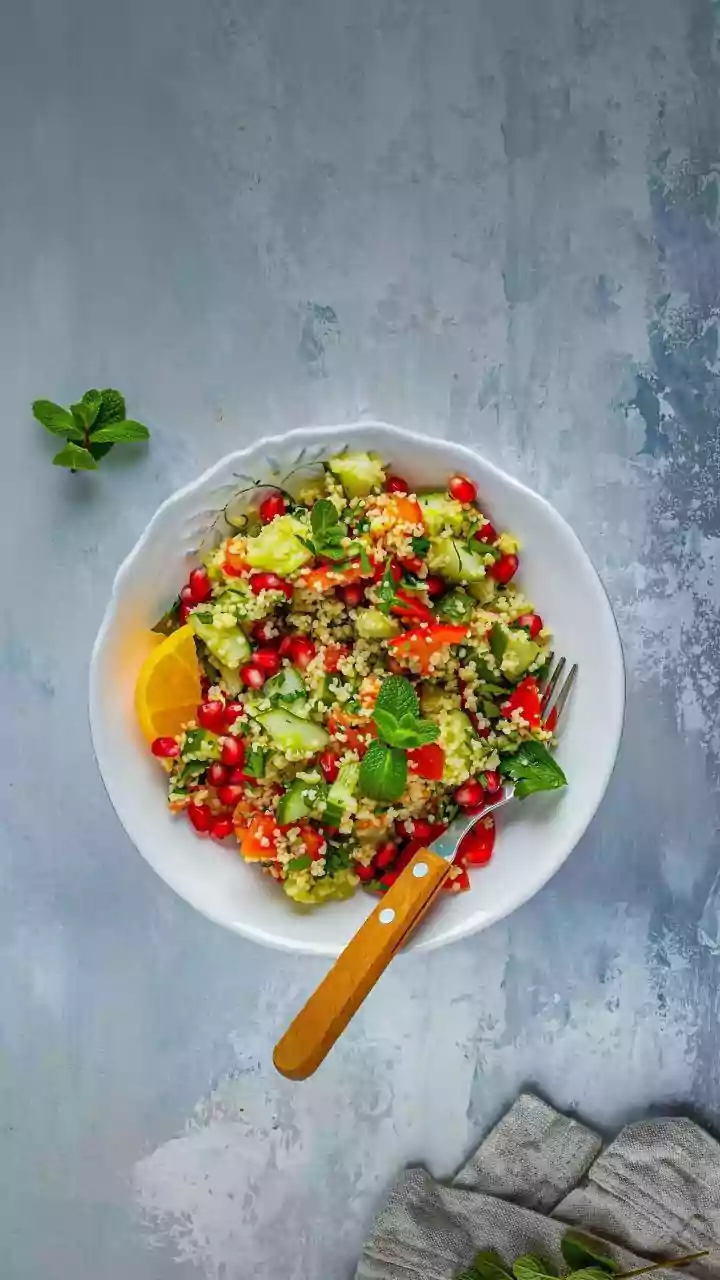
The best way to start using sumac is as a finishing spice. Its flavour and colour can fade with prolonged heat, so sprinkling it on a dish just before serving preserves its bright character. Try dusting it over hummus, baba ganoush, fried eggs, or avocado toast. It's also the signature ingredient in the Lebanese bread salad, fattoush, where it provides a crucial acidic punch to the vinaigrette. You can rub it on chicken, lamb, or fish before grilling or roasting to cut through the richness of the meat. Because it adds acidity without any moisture, it's perfect for dry rubs or seasoning vegetables like cauliflower and potatoes after they come out of the oven. Stirring it into plain yogurt creates an instant tangy sauce for dips or kebabs.
The Perfect Dry Substitute for Lemon
The headline claim holds true: sumac is a brilliant stand-in for lemon, especially when you want acidity without adding liquid. Think of marinades where extra juice might water down the flavour, or roasted vegetables you want to keep crisp. In recipes like spinach pies (fatayer), using sumac instead of lemon juice can prevent the filling from becoming soggy. While it’s not an exact one-for-one swap—lemon brings its own floral aroma—sumac provides that essential sour note in a dry form. For this reason, it excels where lemon juice can't, like in spice blends or as a garnish on dishes that need to maintain their texture.
A Key Player in Za'atar
If you've ever had za'atar, you've already tasted sumac. Za'atar is a classic Middle Eastern spice blend, and sumac is one of its core components, providing the mixture's signature tangy flavour. The other key ingredients are typically dried thyme (or a related herb like oregano or marjoram), toasted sesame seeds, and salt. The exact combination varies by region and even by family, but the earthy herbs, nutty sesame, and tart sumac create a uniquely versatile blend. It’s often mixed with olive oil and spread on flatbread, or sprinkled over meats, vegetables, and labneh (strained yogurt).
More Than Just Good Taste
Beyond its culinary uses, sumac has been valued for its health properties for thousands of years. It is packed with antioxidants, such as flavonoids and polyphenols, which help protect the body's cells from damage. Some research suggests these compounds may play a role in reducing inflammation and supporting the immune system. Studies have also explored its potential benefits for helping to regulate blood sugar levels and relieve exercise-induced muscle pain, though more research is needed in these areas. It also contains essential nutrients like vitamin C. This combination of great flavour and potential wellness benefits makes it a worthy addition to any pantry.