


From Staple Food to Functional Fuel
For generations, dairy has been central to the Indian diet. However, a significant shift is underway, largely driven by a post-pandemic focus on health and wellness. Consumers, particularly in urban areas, are no longer just looking for basic nutrition;
they are seeking out foods that offer specific benefits. Protein has emerged as a key focus in this new paradigm. With reports indicating that a large percentage of Indian diets are protein-deficient, consumers are actively looking for convenient ways to increase their intake. This has pushed protein from a niche interest for gym-goers to a mainstream requirement for overall family well-being, including children's growth and adult energy levels.
The New Look of the Dairy Aisle
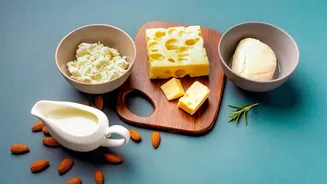
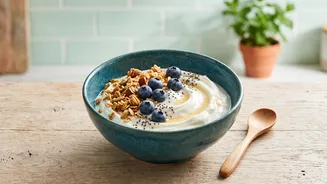
This evolving demand is visibly changing store shelves. The market is now populated with a growing array of value-added dairy products specifically formulated for higher protein content. This includes protein-fortified milks, Greek-style yogurts, high-protein paneer, and a variety of dairy-based beverages and snacks. Companies are using techniques like ultra-filtration to naturally concentrate the protein in milk, offering products with nearly three times the protein of regular milk without adding powders or synthetic ingredients. Many of these new offerings are also lactose-free and free from preservatives, catering to a growing consumer demand for 'clean-label' products.
Startups and Giants Chase the Trend
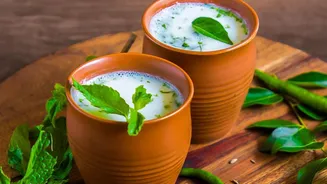
The protein trend has created a dynamic competitive landscape. New-age startups and D2C brands like Provilac and Akshayakalpa Organic have been quick to innovate, launching high-protein fresh milk and other functional products. These companies often leverage a subscription-based, cold-chain delivery model to ensure freshness and tap into the market for premium, nutrition-focused dairy. At the same time, established dairy giants such as Amul, Mother Dairy, and Parag Milk Foods are not standing still. They are expanding their portfolios with fortified beverages, protein-rich lassi, and whey-based products, using their vast distribution networks to bring these innovations to a mass audience. This shift is also financially motivated; value-added products like cheese and whey can offer profit margins significantly higher than traditional low-margin liquid milk.
Repackaging Traditional Favourites
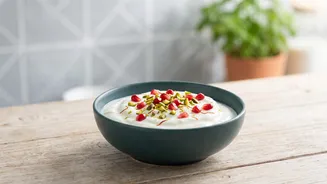
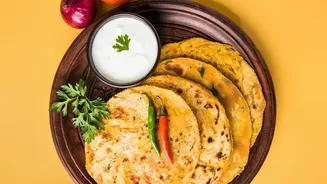
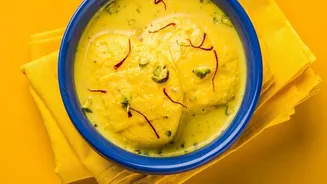
The innovation isn't just about creating entirely new products. A key strategy involves repositioning familiar, beloved items like paneer and dahi as natural sources of high-quality protein. For a largely lacto-vegetarian population, dairy is already a primary source of protein, but companies are now explicitly highlighting these benefits. By enhancing the protein content in paneer or marketing curd for its nutritional value, brands are meeting consumers where they are, enhancing everyday dietary staples rather than trying to introduce unfamiliar habits. This approach leverages the deep cultural acceptance of dairy products while aligning them with modern wellness goals, proving that tradition and trend can coexist.