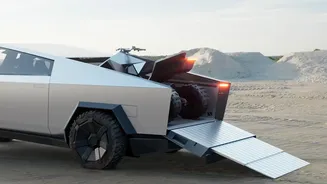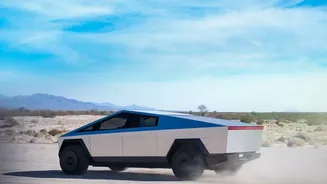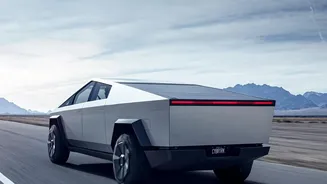





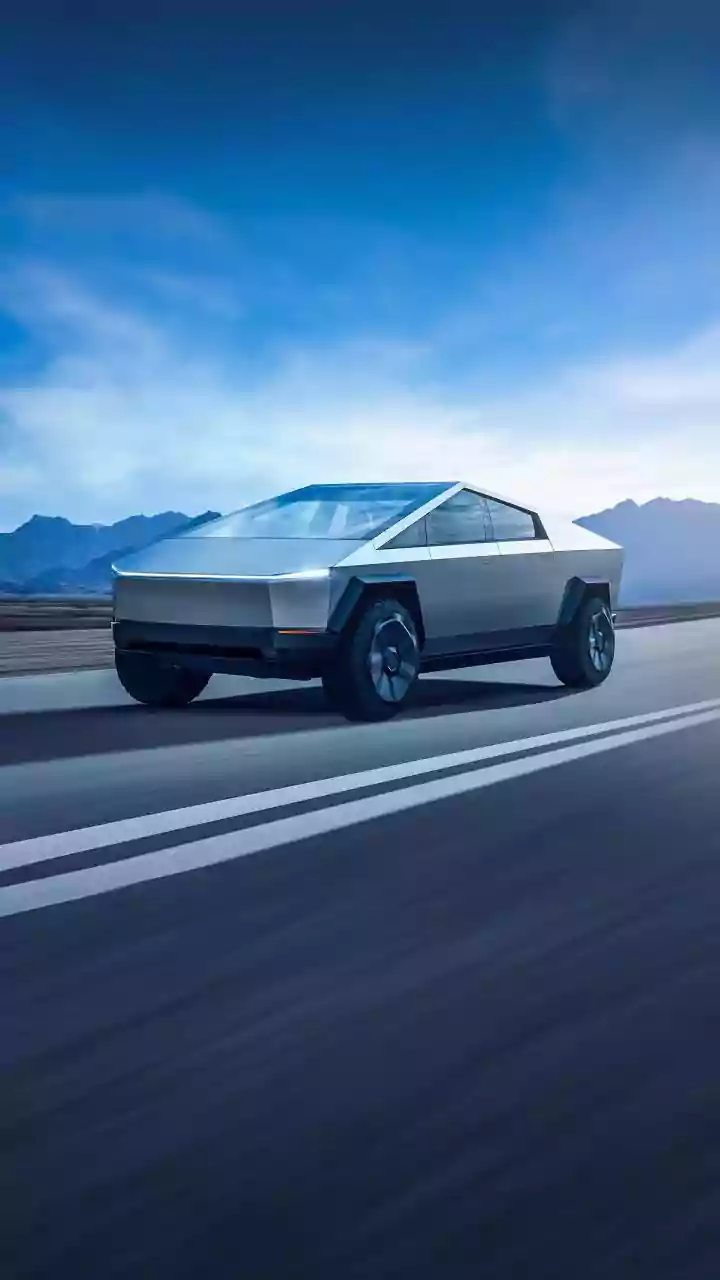
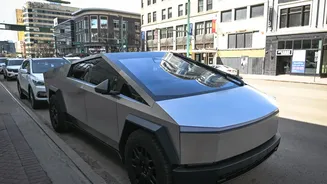
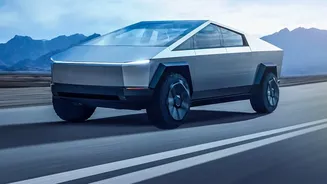
It’s another twist in the Cybertruck saga. Elon Musk has confirmed that production of the futuristic pickup will now continue into the summer of 2027, a few months longer than previously announced, to satisfy more of its massive order backlog.
What Exactly Was Announced?
In a series
of posts on his social media platform X, Elon Musk updated the public on the Cybertruck's production timeline. Just days after announcing that production would wind down by mid-2027 to make way for the upcoming Cybercab robotaxi, Musk amended the schedule. Production will now be extended through the end of the northern summer of 2027, adding a few more months to its run. Musk cited a desire to work through more of the existing order backlog as the reason for the extension, adding a personal note: 'This is not the smartest move from a profit-maximizing standpoint btw, but there must be some room in this world for sentimentality or what's the point?'. This decision gives reservation holders a slightly better chance of receiving their vehicle, though Musk had previously stated that many deposits would have to be returned as demand was outpacing the planned production run.
A History of 'Production Hell'
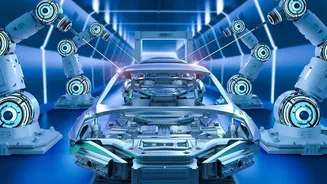
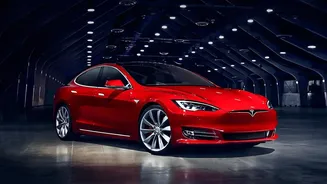
For Tesla, ambitious timelines followed by production challenges are nothing new. The term 'production hell' was famously coined by Musk himself during the difficult ramp-up of the Model 3 sedan starting in 2017. The company had invested heavily in automation, hoping to create an 'alien dreadnought' factory, but the robots initially slowed things down. This forced Tesla to build a new assembly line under a tent in the factory parking lot to meet its goals. That period, though stressful and causing significant financial pressure on the company, ultimately led to manufacturing innovations. Musk has admitted that the company 'dug its own grave' with the Cybertruck, acknowledging the 'enormous challenges' in scaling its production even before the first delivery.
The Challenge of Stainless Steel
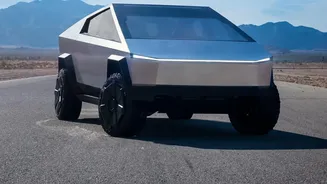
The Cybertruck's core identity is also its biggest manufacturing headache: the ultra-hard, cold-rolled stainless steel exoskeleton. While it provides the truck's signature angular look and promised durability, stainless steel is notoriously difficult to work with. Unlike the more pliable materials used in traditional cars, the steel is hard to form and shape without creating issues like panel gaps. Reports from early in the production process noted that the steel, delivered in large coils, had a tendency to want to return to its curved shape, complicating assembly. This material choice has led to a series of production delays and quality control issues, including multiple recalls since its customer launch in late 2023. Furthermore, the specialized material and construction mean repairs can be more complex and costly than for a standard vehicle.
Pivoting to the Cybercab
The decision to eventually end Cybertruck production is not happening in a vacuum. It is part of a larger strategic pivot for Tesla. The company plans to reallocate the factory space and engineering resources at its Gigafactory Texas toward the production of the Cybercab, a purpose-built autonomous robotaxi. Musk has stated that the 'opportunity cost' of the Cybertruck's complexity is 'vastly outweighed' by the potential value of producing more Cybercabs. This move signals Tesla's shifting focus from being solely a car manufacturer to a company centered on artificial intelligence, robotics, and autonomous mobility. While the Cybertruck was a bold statement, its sales have not met the initial ambitious targets of 250,000 units per year; in fact, sales have been closer to 10% of that goal.