

The Wall of Apples
Walk past the prize-winning pies and quilts, and you will often find them: long tables showcasing a dizzying array of apples. Forget the limited selection at the supermarket. Here, you might see the deep, almost black skin of a Black Oxford, the peculiar
lumps of a Knobbed Russet, or the sunshine yellow of a Calville Blanc d'Hiver. There are giants like the Wolf River, famous for being so large that one can fill an entire pie pan. This stunning diversity is a spectacle in itself, a visual reminder that an apple is not just an apple. Each one represents a unique story of genetics, history, and place. Before modern refrigeration and transport, people cultivated apples for specific purposes—some for cider, some for cooking, and others that could last all winter in a root cellar. Fairs are one of the few places this incredible biodiversity is put on full display.
The Anatomy of a Perfect Bite
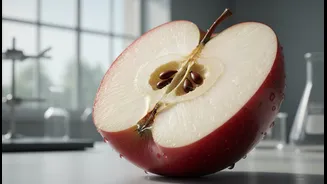
What makes you prefer a Honeycrisp to a Red Delicious? The answer is less poetry and more cellular biology. That satisfying 'snap' when you bite into a crisp apple is the sound of science at work. An apple's flesh is made of millions of tiny cells, each filled with water and sugar. In a crisp apple, these cells are large and packed so tightly that the pressure inside them is high, like an overinflated water balloon. When you bite down, the cell walls don't just separate; they burst, releasing a torrent of juice and creating that signature crunch. A mealy apple, by contrast, has weaker cell walls and less internal pressure. When you bite it, the cells just mush apart without rupturing, leading to a dry, sandy texture. So that explosive crunch you crave? It's literally the sound of countless microscopic juice explosions happening in your mouth.
An Orchard or a Laboratory?
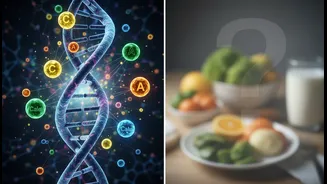
Many of the most popular apples today are not happy accidents of nature but the result of decades of patient, methodical science. Take the celebrated Honeycrisp. It was developed at the University of Minnesota's apple breeding program, which began in the late 1800s to create varieties that could withstand harsh winters. The Honeycrisp was born from a cross made in 1960 and was almost discarded before a researcher named David Bedford gave it a second chance in 1982. After years of testing, it was finally released to the public in 1991. DNA testing later revealed its parents to be the Keepsake and an unreleased variety, not the apples originally thought. Creating a new apple variety is a long game, often taking 20 to 30 years from the initial cross-pollination to a commercial release. Breeders must consider not just flavor and texture but also disease resistance, storage life, and how well the fruit grows.
Rescuing the Past's Flavors
While some scientists are designing the apples of the future, others are working to preserve the past. These are the so-called 'heirloom' varieties, apples that have been passed down for generations but have fallen out of commercial favor. These older apples offer a library of flavors and textures largely absent from modern grocery aisles—aromas of spice, citrus, or honey, and textures that range from firm and dense to light and effervescent. Many of these varieties, like the Ashmead's Kernel or the Roxbury Russet, wouldn't win a beauty contest with their bumpy, mottled skin, but they are prized by chefs and food lovers for their intense, complex flavors. These heirlooms are more than just novelties; they represent a vital pool of genetic diversity that could be crucial for developing new apples resilient to climate change or new diseases.