



Beyond the Hype: What 'Immunity Support' Means
First, let's clear up the terminology. The term 'immunity boosting' is more of a marketing buzzword than a scientific reality. You can't actually 'boost' your immune system beyond its normal function like you'd supercharge an engine. Instead, a more accurate
goal is to 'support' it. Your immune system is a complex network of cells, tissues, and organs that work together to defend your body against invaders. For it to function optimally, it requires a steady supply of key nutrients. A poor diet can impair its function, while a balanced, nutrient-rich diet provides the essential building blocks it needs to operate efficiently. So, while no single meal can act as a magic shield, consistently eating certain foods can help ensure your body's natural defences are well-maintained and ready for action.
The Viral Stars: Turmeric and Ginger
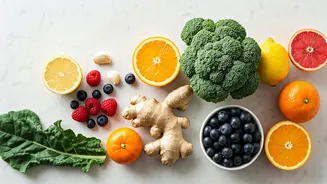
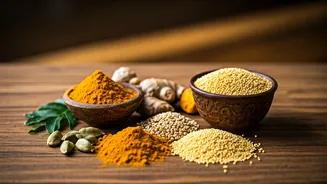
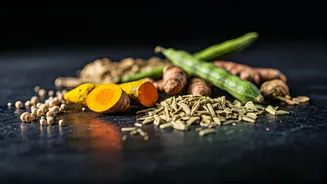
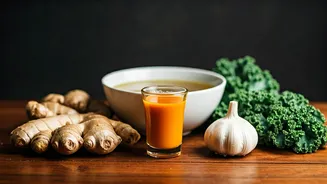
Perhaps the most visible trend involves brightly coloured concoctions made with turmeric and ginger. From 'golden milk' lattes to fiery wellness shots, these roots are everywhere. The excitement is rooted in science. Turmeric contains curcumin, a compound celebrated for its potent anti-inflammatory and antioxidant properties. Chronic inflammation can disrupt immune function, so managing it is key. Ginger contains gingerol, which has similar anti-inflammatory and antioxidant effects. It's also traditionally used to soothe sore throats and nausea. While a daily shot won't make you invincible, incorporating these spices into your diet—in curries, soups, teas, or smoothies—is a great way to leverage their benefits. For better absorption of curcumin, always pair turmeric with a pinch of black pepper.
Comfort in a Bowl: The Power of Broths
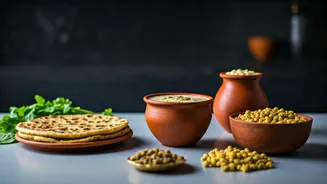
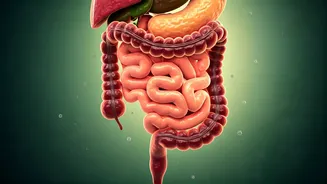
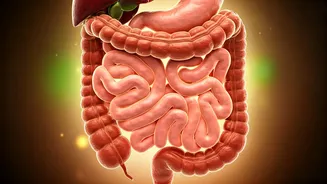
Hearty soups and bone broths are also having a major moment online. Beyond being the ultimate comfort food when you're feeling under the weather, they are nutritionally beneficial. A well-made chicken or vegetable soup is hydrating and often packed with a variety of vegetables, providing vitamins and minerals. The steam can also help to ease nasal congestion. Bone broth, made by simmering animal bones and connective tissue for an extended period, is rich in minerals and amino acids like glycine and glutamine. These amino acids play a role in gut health, and a healthy gut is intrinsically linked to a robust immune system, as a large portion of your immune cells reside in the gut lining. Whether you choose a classic dal or a slow-simmered bone broth, these one-pot meals are an easy and delicious way to get a wide array of nutrients.
Gut Health Heroes: Fermented Foods
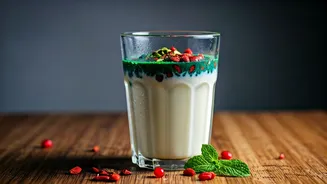
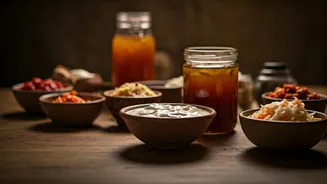
The link between gut health and immunity has brought fermented foods like yogurt, kefir, kimchi, and kombucha into the spotlight. These foods are rich in probiotics—beneficial bacteria that help maintain a healthy balance in your gut microbiome. This ecosystem of microorganisms plays a crucial role in training and regulating your immune system. An imbalanced gut microbiome can be linked to increased inflammation and susceptibility to infections. Including a variety of fermented foods in your diet can help support this delicate balance. Look for yogurts with 'live and active cultures,' try adding a side of kimchi to your meals for a spicy kick, or sip on kefir as part of your breakfast. It's a simple, tasty strategy for supporting both digestive and immune health.
A Holistic and Consistent Approach
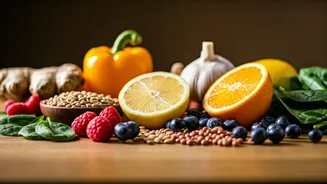
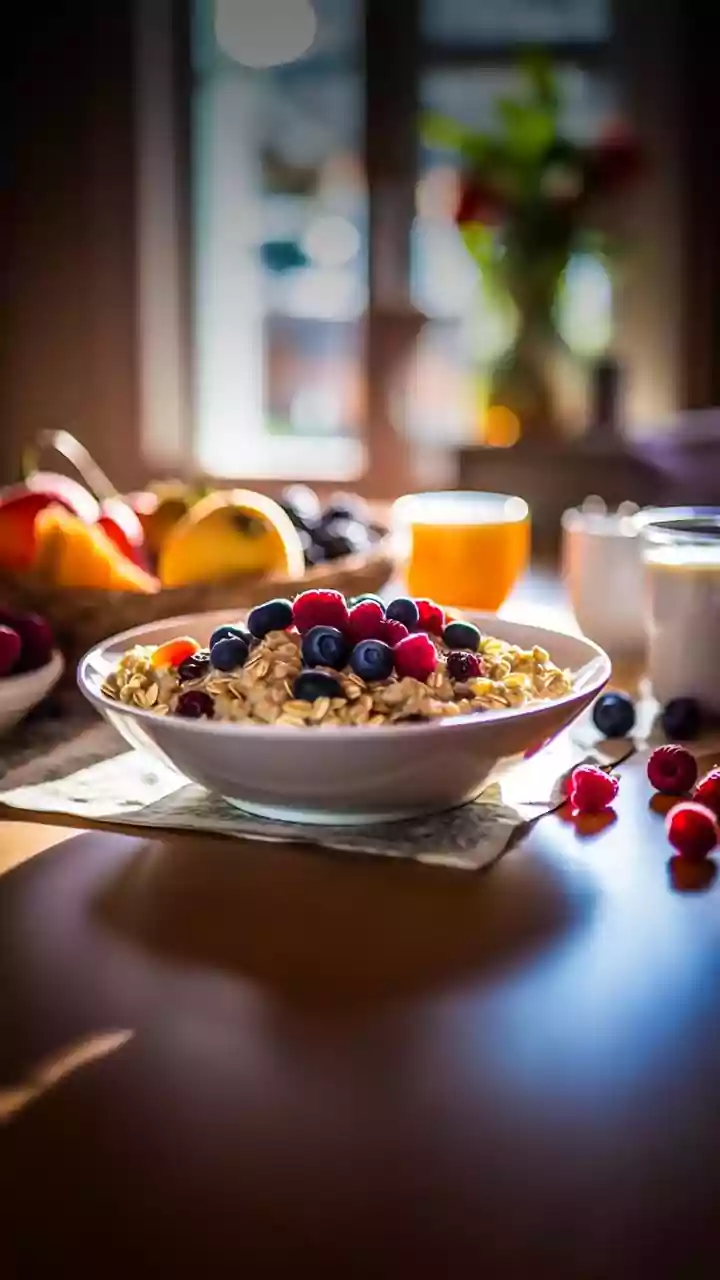
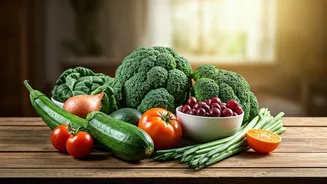
While these viral trends can be a fun way to introduce healthy ingredients into your routine, the real secret to a well-supported immune system isn't found in a single trendy meal. It's about a holistic and consistent lifestyle. This includes a balanced diet rich in a rainbow of fruits and vegetables, which provide a wide range of vitamins, minerals, and antioxidants like Vitamin C, Vitamin D, and zinc. It also means incorporating lean proteins, healthy fats, and whole grains. But diet is only one piece of the puzzle. Adequate sleep, regular physical activity, and stress management are just as critical for keeping your immune system in top shape. Think of these viral meals not as a cure-all, but as a small, positive part of a much bigger picture of overall wellness.