







The Return of a Classic
Remember those mornings? A quick, steaming bowl of upma before rushing off to school or work. For many, it was the default breakfast—easy, filling, and familiar. For a time, it seemed to be overshadowed by flashier, more 'global' breakfast options like
avocado toast, overnight oats, and smoothie bowls. But trends, like life, are cyclical. The dish that was once perhaps taken for granted is now being rediscovered and celebrated by a new generation, and embraced anew by those who always loved it. This isn't just about nostalgia; it's a conscious choice for something authentic, wholesome, and incredibly versatile. The quiet hero of the Indian kitchen is finally getting its main-character moment.
A Quiet Nutritional Powerhouse
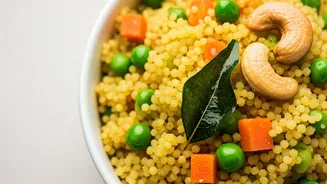
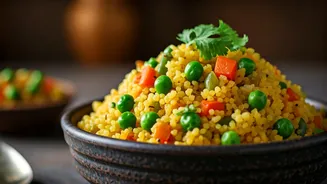
One of the biggest drivers behind upma’s resurgence is the collective turn towards wellness and mindful eating. At its core, vegetable upma is a balanced meal. Made from rava (semolina or suji), it's a good source of carbohydrates for energy, iron, and magnesium. Unlike refined flour, it's digested slowly, providing sustained energy without a sugar crash. When loaded with vegetables like carrots, peas, beans, and onions, it becomes a fibre-rich dish packed with vitamins and minerals. The traditional tempering with mustard seeds, curry leaves, and lentils not only adds incredible flavour but also brings its own set of health benefits, from aiding digestion to providing antioxidants. It’s light on the stomach yet deeply satisfying—a combination that modern wellness seekers are constantly searching for.
The Perfect Fit for Modern Life
In our perpetually busy lives, convenience is king. And this is where upma truly shines. From start to finish, a delicious bowl can be on the table in under 20 minutes. It requires minimal prep and uses pantry staples that most Indian households have on hand. This makes it a practical solution for hectic weekday mornings, a quick work-from-home lunch, or even a light dinner. It’s the antidote to complicated recipes and expensive, imported ingredients. In an age of information overload and decision fatigue, the simplicity of preparing upma feels like a breath of fresh air. It proves that a nutritious, home-cooked meal doesn’t have to be a time-consuming, elaborate affair.
A Canvas for Creativity
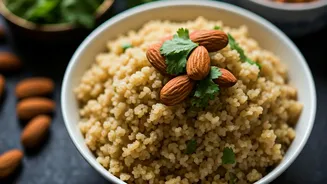
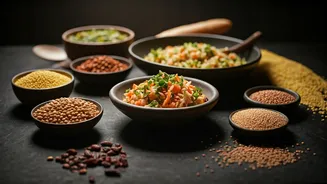
While the classic suji upma holds a special place in our hearts, its modern comeback is also fuelled by its incredible adaptability. Think of the traditional recipe as a brilliant template, ready for customisation. Health-conscious millennials and Gen Z are swapping out rava for a variety of other grains. We're seeing millet upma, quinoa upma, oats upma, and even broken wheat (dalia) upma trending. People are experimenting by adding corn, bell peppers, and mushrooms, or topping it with roasted peanuts, cashews, and a generous squeeze of lime. Some even add a pinch of sambar powder for a different flavour profile. This ability to evolve while retaining its core identity is key to its renewed popularity. It’s a traditional dish that doesn’t feel stuck in the past.