





The Hidden Dangers of a Wet Litter Box
A damp litter box is a breeding ground for problems that go far beyond unpleasant odours. When urine pools, it creates an environment where harmful bacteria like E. coli and salmonella can thrive. Your cat, being a fastidiously clean creature, may end
up stepping in this contaminated environment, leading to bacteria being tracked through your home. More seriously, this bacteria can travel up your cat's urethra, potentially causing painful and dangerous urinary tract infections (UTIs). Furthermore, as urine decomposes, it releases ammonia gas. In a poorly maintained box, these fumes can become concentrated, irritating your cat's sensitive respiratory system and potentially leading to issues like bronchitis. Humans, especially children and those with compromised immune systems, are also at risk from exposure to these bacteria and ammonia fumes.
Why Your Litter Box Is Always Damp
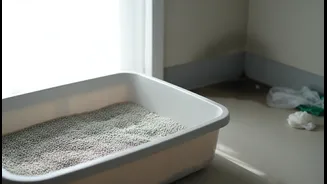
Several factors can contribute to a perpetually moist litter box. High humidity, a common issue in many parts of India, can cause the litter itself to absorb moisture from the air, reducing its effectiveness. The type of litter you use plays a significant role. Some materials, like basic clay, are less absorbent than modern clumping clay or highly effective silica gel crystals, which are designed to trap moisture. Another common mistake is not using enough litter. A shallow layer, less than two to three inches deep, can become saturated quickly, allowing urine to pool at the bottom of the pan instead of being absorbed. Of course, the most straightforward cause is often infrequent scooping. If clumps and solid waste aren't removed at least once a day, the box quickly becomes saturated and unhygienic.
When Dampness Signals a Deeper Problem
While maintenance issues are the usual culprit, a sudden and dramatic increase in the wetness of the litter box can sometimes signal an underlying health issue in your cat. Conditions like diabetes, kidney disease, or a urinary tract infection can cause a cat to urinate much more frequently or in larger volumes. If you notice your cat making many more trips to the litter box, straining to urinate, or if you see any discolouration (like blood) in the urine, it's a clear sign to consult your veterinarian immediately. These conditions are serious and require prompt medical attention. A urinary blockage, in particular, is a life-threatening emergency, especially in male cats.
Your Action Plan for a Dry, Healthy Box
Keeping the litter box dry and welcoming is a simple, routine process. First, scoop solid and liquid waste daily—twice a day is even better, especially in multi-cat households. Ensure you're using about two to three inches of a high-quality, absorbent litter. Clumping clay or silica gel litters are excellent choices for moisture control. At least once a week, you should consider a full litter change. Every two to four weeks, empty the box completely and wash it with mild soap and water, avoiding ammonia-based cleaners, as the smell can deter cats. Make sure the box is completely dry before refilling. Finally, place the litter box in a well-ventilated area, away from humid spaces like bathrooms, to help moisture evaporate naturally. By following these steps, you create a healthier environment for your cat and a more pleasant home for yourself.