

The joy of an indoor garden is watching it thrive. But what happens when it thrives a little too much? We explore how to manage your plant's size and tackle a unique challenge: growing your own cranberries right at home.
The Basics of Managing Growth
Controlling the size and shape
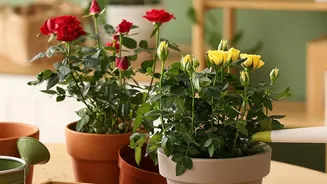
of your indoor plants is essential for keeping them healthy and fitting beautifully in your space. The primary factors influencing growth are light, water, and pot size. While most plants want to reach their full potential, you can guide their development. Reducing light exposure can slow growth, but be careful not to starve the plant of necessary energy, which can lead to weak, 'leggy' stems. Similarly, allowing a plant to become slightly root-bound in its container can restrict its ability to expand.
The Art of Strategic Pruning
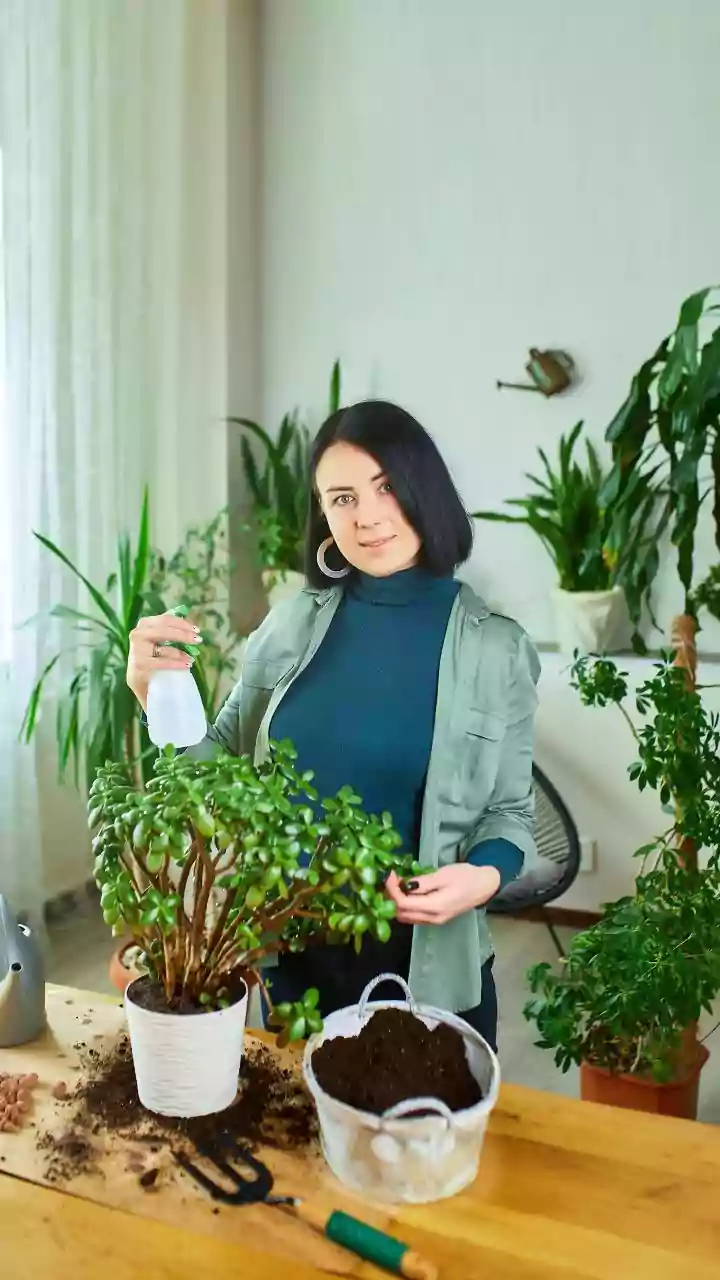
Pruning is your most effective tool for managing plant size. Using clean, sharp scissors, make cuts just above a leaf node—the point on a stem where a new leaf or branch emerges. This encourages the plant to become bushier rather than taller. A good rule of thumb is to never remove more than 25-30% of the plant at once, as this can cause stress. The best time for a major trim is typically in the spring or early summer when the plant is in an active growth phase and can recover quickly. Regular removal of any dead or yellowing leaves also helps the plant direct its energy toward healthy new growth.
The Unique Challenge: Indoor Cranberries
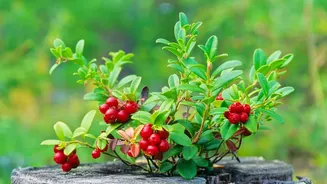
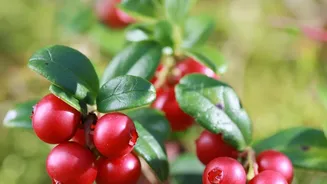
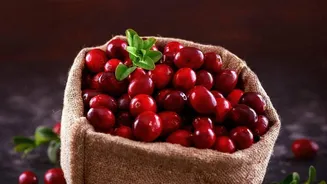
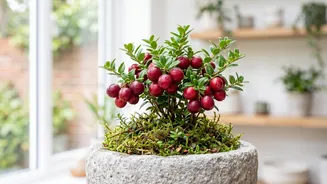
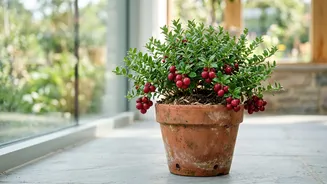
For gardeners looking for a more advanced project, growing cranberries (Vaccinium macrocarpon) indoors is a rewarding endeavor. Unlike typical houseplants, cranberries have very specific needs. They are low-growing, spreading evergreen vines that, with the right care, can produce their iconic tart red berries. While often associated with water-logged bogs, they don't like their roots to be submerged and require well-drained soil. Be prepared for a long-term commitment, as it can take a few years for a new plant to establish itself and begin producing fruit.
Mastering the Soil and Light
The single most critical factor for cranberry success is acidic soil. Cranberries thrive in a pH range of 4.0 to 5.5, similar to blueberries and rhododendrons. You'll need to use a special acidic potting mix, often labelled for ericaceous plants, or amend your own with peat moss. Watering with rainwater instead of alkaline tap water can also help maintain the low pH. For light, these plants need full sun to produce fruit, so a spot near a south-facing window that receives at least six hours of direct sunlight is ideal.
Water, Temperature, and Pollination
Cranberry plants require consistently moist soil but should not be waterlogged. Indoors, this means regular watering is key. They also prefer cooler temperatures, ideally between 15–21°C during the day. The final hurdle to getting fruit is pollination. Cranberry flowers cannot self–fertilise and require pollinators to move pollen between flowers. Since you likely don't have bees in your living room, you will have to play the part yourself. Use a small, soft brush or a cotton swab to gently transfer pollen from the anther of one flower to the stigma of another. A gentle shake or a fan can also help distribute pollen.