

From Cargo Routes to Cruise Itineraries
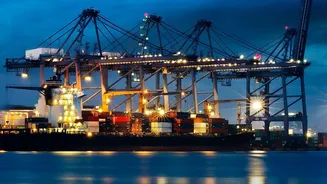
India is in the midst of an ambitious push to develop its vast network of inland waterways. The National Waterways Act of 2016 designated 111 rivers, creeks, and backwaters as National Waterways (NWs), aiming to create a cost-effective and eco-friendly
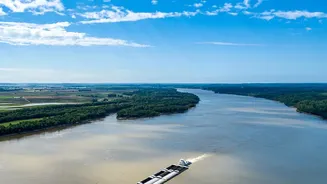
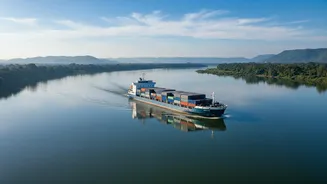
alternative to road and rail transport for cargo. Projects like the Jal Marg Vikas Project are focused on upgrading key routes like National Waterway-1 on the Ganga River, building multi-modal terminals, and ensuring year-round navigability. But while the primary goal is economic, a fascinating and accessible benefit has emerged for tourists. The very infrastructure designed for barges—terminals, jetties, and well-maintained channels—is doubling up as a gateway for passenger ferries and luxury river cruises. As of early 2026, 32 of these waterways are operational for cargo and passenger movement, with plans to expand that number significantly.
The Ganga Voyage: A New Kind of Pilgrimage
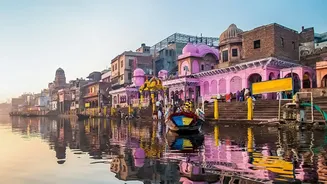
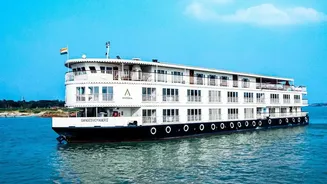
The flagship of this new tourism wave is National Waterway-1, which stretches from Haldia in West Bengal to Varanasi in Uttar Pradesh. This route has become the epicentre of India's burgeoning river cruise industry. Companies like Antara Luxury River Journeys and international operators like Uniworld offer multi-day voyages that are less about getting from Point A to B and more about cultural immersion. Passengers drift past a landscape of timeless villages, ancient temples, and bustling ghats, stopping at historically significant sites. The journey often includes excursions to explore colonial history in former French and British trading posts, witness artisanal crafts like brassware and handloom weaving, and experience spiritual ceremonies. Many itineraries combine the river cruise with the classic 'Golden Triangle' land tour of Delhi, Agra, and Jaipur, positioning the serene river journey as the perfect counterpoint to the vibrant energy of the cities.
Beyond the Ganga: Exploring New Waters
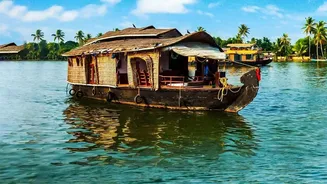
The tourism potential extends far beyond the Ganga. The government has identified 34 National Waterways with high tourism potential. In the North-East, the mighty Brahmaputra River (NW-2) offers a different flavour of river cruising, taking travellers through the heart of Assam to witness its unique wildlife and tea plantations. Terminals at Pandu, Neamati, and other key points are being upgraded to support tourism. In Kerala, the established backwater tourism on National Waterway-3 is being integrated into a more formal network of terminals and jetties, enhancing connectivity between Kollam and Kozhikode. Even on lesser-known routes, the development of community jetties is opening up remote areas to visitors, providing local employment and offering travellers an authentic glimpse into riverside life. The River Cruise Tourism Roadmap 2047 signals a long-term vision, with dozens more cruise circuits planned across the country.
How to Plan Your Waterway Journey
Experiencing India's waterways can range from a short public ferry ride to an all-inclusive luxury expedition. For those seeking luxury, operators like Uniworld, APT Touring, and Antara offer packages for the 2026 season and beyond, often sold as comprehensive tours that include flights and hotels. These typically start from 7-day itineraries and can extend to epic, month-long voyages. For a more independent approach, travellers can look to state-run ferry services for shorter hops, especially in places like Kerala and West Bengal. As terminals at cities like Varanasi, Kolkata, and Guwahati become fully-fledged transport hubs, accessing the rivers is becoming as straightforward as booking a train. The key is to decide what kind of experience you want: the curated comfort of a cruise ship that acts as a floating hotel, or the local flavour of a public ferry connecting riverside communities.