





What Exactly is Orthodox Tea?
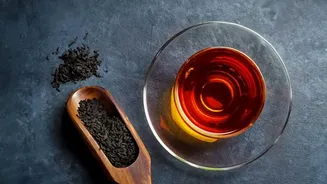
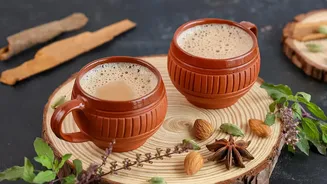
Before we dive into the trend, let's clarify the terms. For many Indians, tea means the strong, granular CTC (Crush, Tear, Curl) variety, perfect for a robust masala chai. Orthodox tea, however, is a different world. It refers to whole-leaf teas produced
using traditional methods of plucking, withering, and rolling. This artisanal process is more time-consuming but preserves the delicate, nuanced flavours of the tea leaf, resulting in a brew that is aromatic and complex rather than just strong and astringent. While CTC is designed to stand up to milk and sugar, orthodox teas are often enjoyed on their own, allowing their layered character to shine.
The Magic of Cold-Steeping
The second key to this trend is the preparation method: cold-steeping. Unlike typical iced tea, which is brewed hot and then cooled (often resulting in dilution and bitterness), cold-steeping involves infusing tea leaves in cold water for an extended period, usually for several hours in a refrigerator. This slow, gentle extraction process works wonders. It pulls out the tea's flavour and antioxidants while leaving behind many of the tannins that cause bitterness. The result is a remarkably smooth, naturally sweeter, and less acidic beverage that is incredibly refreshing. Studies have also shown that cold brewing can preserve or even enhance the antioxidant content of the tea, making it a healthier choice.
A Renaissance of Native Herbs
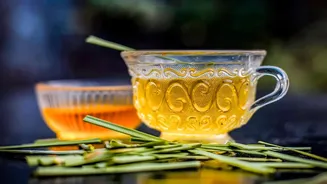
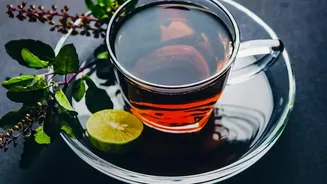
The final ingredient in this trending trifecta is the infusion of native Indian herbs. This isn't just about adding flavour; it's a nod to India's deep-rooted Ayurvedic traditions. For generations, herbs like Tulsi (holy basil), ginger, lemongrass, and mint have been used in household concoctions for their wellness properties. Now, urban cafes are incorporating these, along with other powerful adaptogens like Ashwagandha, Brahmi, and Mulethi (licorice root), into their modern beverages. This revival is part of a larger consumer shift towards functional foods and drinks that offer tangible health benefits, from stress relief to improved immunity. These herbs, once confined to traditional remedies, are now being celebrated for their holistic benefits in a contemporary format.
A Perfect Pairing for the Modern Palate
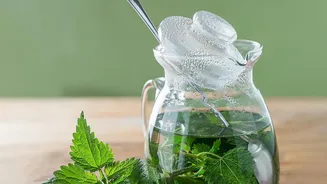
The combination of orthodox tea, native herbs, and cold-steeping is a match made in beverage heaven. The gentle nature of cold brewing is ideal for extracting the delicate botanical notes of herbs like Tulsi, rose, and fennel without overpowering them. Simultaneously, the smooth, non-bitter profile of the cold-steeped orthodox tea provides a perfect canvas, allowing the unique characteristics of each herb to come through clearly. This creates a drink that is not only profoundly refreshing but also complex and layered in flavour. It aligns perfectly with the growing consumer demand for less sugary, more authentic, and functional beverage options. It’s a sophisticated, mindful drinking experience that feels both modern and deeply connected to Indian heritage.
Where to Find These Summer Elixirs
This trend is flourishing in specialty tea and coffee shops, wellness-focused cafes, and upscale restaurants across India's metropolitan cities. Chains and independent cafes alike are experimenting with their own signature cold brew infusions. Look for menus featuring drinks like 'Tulsi and Green Tea Cold Brew' or 'Ashwagandha-infused Black Tea'. This movement is part of a broader appreciation for premium, locally sourced ingredients. Just as consumers have embraced specialty coffee, they are now exploring the vast and flavourful world of Indian artisanal teas and herbs, seeking quality, authenticity, and a story in their glass.