







Mastering the Art of Connection
In an increasingly automated world, the skills that make us uniquely human are more valuable than ever. At the top of that list is communication. While technical skills might get your resume noticed, it's your ability to articulate ideas, build relationships,
and tell a compelling story that secures the role and ensures long-term success. For career switchers, this is non-negotiable. You are not just learning a new job; you are learning to speak a new professional language. Whether you are writing a persuasive cover letter, networking with industry veterans, or explaining your transferable skills in an interview, clarity is your greatest asset. As AI handles more routine tasks, the demand for professionals who can manage stakeholders, inspire teams, and foster collaboration is soaring. Effective communication isn't just about speaking well; it includes active listening, empathy, and the ability to read a room—qualities that build trust and cannot be replicated by an algorithm.
Thinking Beyond the Job Description
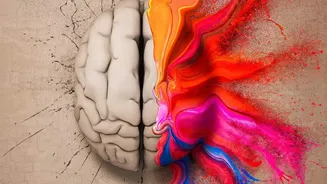
Creativity is no longer reserved for artists and designers. The World Economic Forum has consistently ranked it as one of the most critical skills for the future workforce. In the context of a career change, creativity is your ability to connect seemingly unrelated experiences and frame them as a unique advantage. It is the engine for innovation and problem-solving, allowing you to approach challenges from fresh perspectives. Companies are desperate for individuals who can devise novel solutions, whether it's improving a workflow, developing a new product, or finding a better way to engage customers. As automation takes over repetitive tasks, the real value of human employees will shift to work that requires imagination and original thought. For someone entering a new field, this means you are not just a blank slate; you are a source of new ideas. Your past experiences, even if from a different industry, can fuel creative solutions that an insider might overlook. This ability to adapt and think flexibly is what will make you an indispensable asset in any role.
Your New Strategic Partner: AI
Fears about AI replacing jobs are common, but the smarter approach is to view it as a powerful co-pilot for your career transition. Proficiency in using AI tools is rapidly becoming a fundamental expectation in the Indian job market. For a job seeker, generative AI can be an invaluable assistant. Platforms can help you identify skill gaps by analyzing job descriptions, suggest relevant online courses, and even optimize your resume with keywords to pass through automated screening systems. You can use AI to conduct deep research on a potential employer, generate practice interview questions, and get feedback on your responses. This doesn't mean letting AI do all the work. The key is to use these tools to enhance your own efforts—to work faster, prepare more thoroughly, and present a more polished version of yourself. Understanding how to leverage AI demonstrates not only technical literacy but also strategic thinking, showing potential employers that you are ready for the modern workplace.
Bringing It All Together
These three pillars do not exist in isolation; their true power lies in how they intersect. You can use AI to research an industry trend (AI literacy), then devise a unique project idea to showcase your skills (creativity), and finally, articulate your vision clearly in a networking email or interview (communication). A strong communicator uses AI to sharpen their message, not just generate it. A creative thinker uses data insights from AI tools to fuel new ideas. The World Economic Forum's Future of Jobs report highlights that skills like analytical thinking, leadership, and social influence are rising in importance alongside technological literacy. This combination of human-centric abilities and tech-savviness is what employers are looking for. Building a career plan around this triad ensures you are not just changing jobs but are building a foundation for a resilient and adaptable professional future.