


Choose the Right Plants
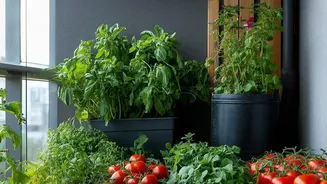
A successful balcony garden starts with choosing plants that suit your specific environment. Before you buy, observe your balcony's sunlight patterns. East-facing balconies that get gentle morning sun are great for herbs like tulsi (holy basil), mint,
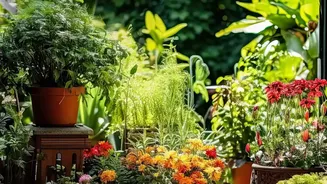
and coriander. South and west-facing balconies receive the most intense sun, making them ideal for sun-loving flowers like marigolds, bougainvillaea, and moss rose (portulaca). North-facing balconies are shadier and better for foliage plants like money plants, snake plants, and ferns. For beginners, it’s wise to start with a few low-maintenance options. Hardy choices like the snake plant, ZZ plant, aloe vera, and money plant are forgiving and adapt well to various conditions, making them popular in Indian homes.
Master the Art of Watering
Watering is a balancing act; both too much and too little can harm your plants. A common mistake is watering on a rigid schedule instead of checking the plant's needs. The 'finger test' is your best tool: poke your finger about an inch into the soil. If it feels dry, it's time to water. Balcony plants often dry out faster than garden plants due to wind and the contained nature of pots. When you do water, do it deeply until water runs out of the drainage hole at the bottom of the pot. This encourages deep root growth. Avoid light, frequent watering, which only moistens the top layer of soil. For those who travel or are short on time, self-watering pots or simple drip irrigation systems can be a game-changer, providing consistent moisture without daily effort.
Manage Sunlight and Heat
Sunlight is plant food, but the harsh afternoon sun in many Indian cities can be too intense, scorching leaves. For south or west-facing balconies, providing some shade during the hottest part of the day (around 12 PM to 5 PM in summer) is crucial. A simple shade net can filter intense sunlight, protecting delicate plants. If your balcony doesn't get much sun, you can maximise the light you have. Placing mirrors or white surfaces can help reflect light onto your plants. For very shady spots, consider shade-tolerant plants like the peace lily or philodendron, or supplement with an affordable LED grow light. Grouping plants together can also create a more humid microclimate, which helps them cope with dry heat.
Get the Soil and Pots Right
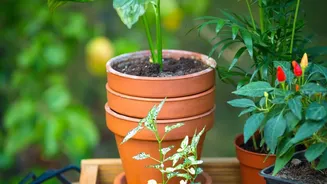
Container plants are entirely dependent on the soil you provide, so don't just use soil from the ground, which compacts easily and drains poorly in pots. A good potting mix for balconies should be lightweight and well-draining. You can buy a commercial potting mix or create your own by combining ingredients like cocopeat (for moisture retention), compost or vermicompost (for nutrients), and perlite (for aeration and drainage). Just as important is the pot itself. Ensure every pot has drainage holes at the bottom to let excess water escape, which is the single most effective way to prevent root rot. Also, choose pots that give roots enough room to grow; a container that's too small will dry out quickly and restrict the plant's development.
Simple Maintenance Hacks
A little regular care goes a long way. Since nutrients in pots are limited, you'll need to feed your plants. Use a balanced liquid fertiliser every few weeks during the growing season, following the package instructions. You can also use natural options like compost tea or well-rotted manure. Regularly check your plants for pests like mealybugs or aphids, especially on the undersides of leaves. Wiping them off with a cotton swab dipped in a neem oil solution is an effective organic remedy. Finally, remove any yellowing or dead leaves promptly. This not only keeps your garden looking tidy but also prevents the spread of potential diseases and directs the plant's energy toward new, healthy growth.