



The Monsoon Challenge: Why Humidity is the Enemy
During the monsoon, humidity levels can soar, creating the perfect environment for bacteria and mould to multiply rapidly on food. Food that might last for days in drier weather can spoil much faster. Bacteria thrive in the temperature 'danger zone' between
40°F (4°C) and 140°F (60°C). The combination of monsoon humidity and ambient warmth means that food left on the counter enters this zone quickly, significantly increasing the risk of spoilage and food poisoning. Because of this, cooked food should be refrigerated within two hours of cooking, or even sooner during the particularly hot and humid days of the rainy season.
The Golden Rule: Heat It Right
The single most important rule for reheating leftovers is to get them hot enough to kill any harmful bacteria that may have developed during storage. Regardless of the reheating method, all leftovers should reach a uniform internal temperature of 165°F (74°C). For liquids like soups, gravies, and dals, a visual confirmation is easiest: bring them to a full, rolling boil. Using a food thermometer is the most reliable way to ensure solid foods are safe. Remember, slow cookers and chafing dishes are not recommended for reheating, as they heat food too slowly and may keep it in the bacterial danger zone for too long.
Method Matters: Stove vs. Microwave vs. Oven
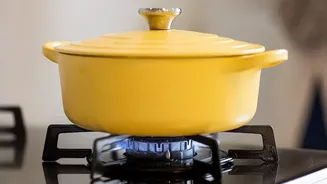
The best reheating method often depends on the food itself. The stovetop is excellent for most Indian dishes like curries and dals, as it allows for even heating and stirring. Adding a splash of water can prevent sauces from becoming too thick. The microwave is the quickest option but can heat food unevenly. To combat this, spread food in an even layer, cover it with a microwave-safe lid or a damp paper towel to retain moisture, and stir it midway through heating. The oven, while slower, is ideal for reheating fried items like samosas or pakoras, as well as baked dishes. Using an oven or an air fryer at a high temperature helps restore crispness that the microwave would ruin.
A Guide for Common Indian Leftovers
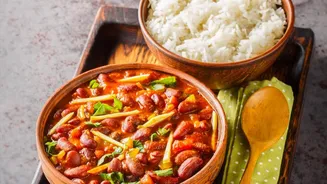
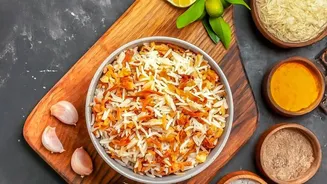
Different foods require slightly different handling. Rice is particularly susceptible to a bacterium called Bacillus cereus, whose spores can survive cooking. To reheat rice safely, it's best to steam it on the stovetop with a little water or microwave it covered with a damp paper towel. For meat and poultry dishes like chicken curry or mutton korma, ensure the pieces are heated all the way through to the 165°F (74°C) mark. Cut into the thickest part of the meat to check. For gravies and dals, bringing them to a rolling boil is sufficient. Avoid reheating leftovers more than once, as each heating and cooling cycle degrades quality and increases safety risks.
Critical Mistakes to Avoid
A few common habits can compromise the safety of your leftovers. First, never reheat food more than once. It's better to portion out only what you plan to eat and reheat that amount. Second, don't just warm your food; make sure it's piping hot throughout to kill bacteria. Third, always stir food when reheating, especially in a microwave, to eliminate cold spots where bacteria can survive. Finally, trust your senses, but don't rely on them alone. While a bad smell or off appearance is a clear sign to discard food, some harmful bacteria don't produce any noticeable signs of spoilage. When in doubt, it is always safest to throw it out.