






How a Hydrogen Train Works
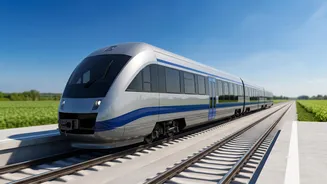
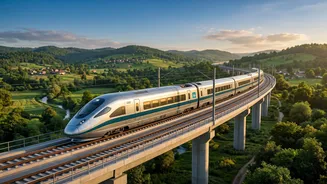
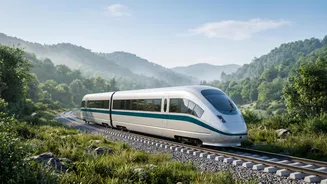
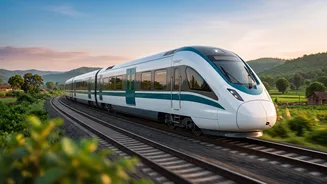
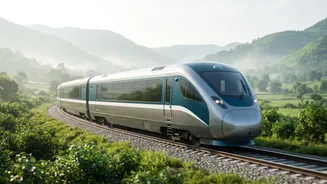
Imagine a train that emits only water. That's the promise of hydrogen fuel cell technology. Instead of a diesel engine, these trains use a fuel cell to generate electricity. Inside the cell, hydrogen stored in onboard tanks chemically reacts with oxygen
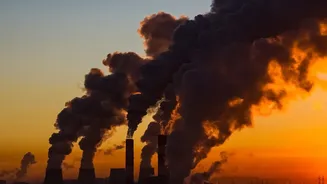
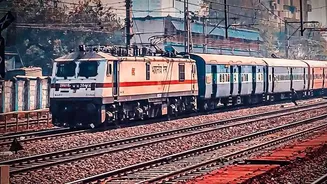
from the air. This reaction produces electricity to power the motors, with water vapour and heat as the only by-products. There's no combustion, no smoke, and no carbon emissions. This makes them a significantly cleaner alternative to the diesel trains that still operate on many non-electrified routes across India, offering a quieter and smoother passenger experience.
India's Hydrogen Trailblazer
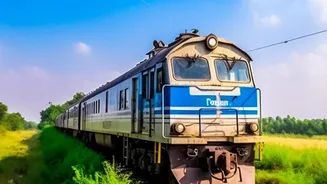
The first real-world test for this technology in India began in July 2026 on the 89-kilometre Jind-Sonipat section in Haryana. This inaugural train, developed indigenously, involves retrofitting an existing Diesel Electric Multiple Unit (DEMU) with a sophisticated hydrogen fuel cell system. The project, part of the 'Hydrogen for Heritage' initiative, represents a critical proof of concept for the nation. Following successful trials where the train reached speeds of 120 kmph, it is now operating at a more modest 75 kmph, with authorities working to increase the operational speed to 110 kmph. This first-of-its-kind service places India in a select group of nations, including Germany and Japan, that are actively exploring hydrogen for rail mobility.
The Push for 'Net Zero'
These hydrogen train tests are a key part of Indian Railways' ambitious mission to become a 'Net Zero Carbon Emitter' by 2030. As one of the world's largest railway networks, this is a monumental undertaking. While the organisation has made incredible strides, achieving nearly 100% electrification of its broad-gauge network, many heritage and hill railways, along with some non-electrified tracks, still rely on diesel. Hydrogen trains are seen as the perfect clean energy solution for these specific routes where installing overhead electric lines is either technically difficult or financially unviable. This initiative directly supports India's broader climate goals under the Paris Agreement to reduce the carbon intensity of its economy.
Challenges on the Track Ahead
Despite the excitement, the path to a hydrogen-powered fleet is not without obstacles. The primary challenge is cost and scalability. Green hydrogen, produced using renewable energy, is currently more expensive than diesel. Establishing the necessary infrastructure, from production plants to a network of refuelling stations, requires significant upfront investment. The initial pilot on the Jind-Sonipat route has also seen very low passenger numbers, prompting discussions about extending the service to Delhi to improve its utilisation. Experts view the current project as an important technological achievement but caution that its long-term commercial viability is still uncertain and will depend on reducing costs and building a supportive ecosystem.