





The Rise of the Hybrid Journey
Not long ago, planning a trip meant choosing one primary mode of transport. You took a train, a bus, or if the budget allowed, a flight. Today, for young Indians, the journey is far more fluid. It’s a concept best described as 'hybrid travel' or 'multi-modal
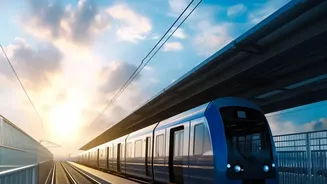
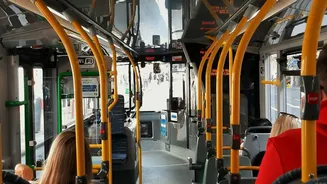
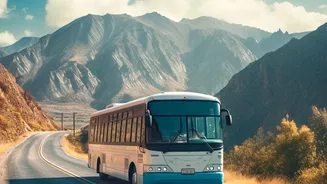
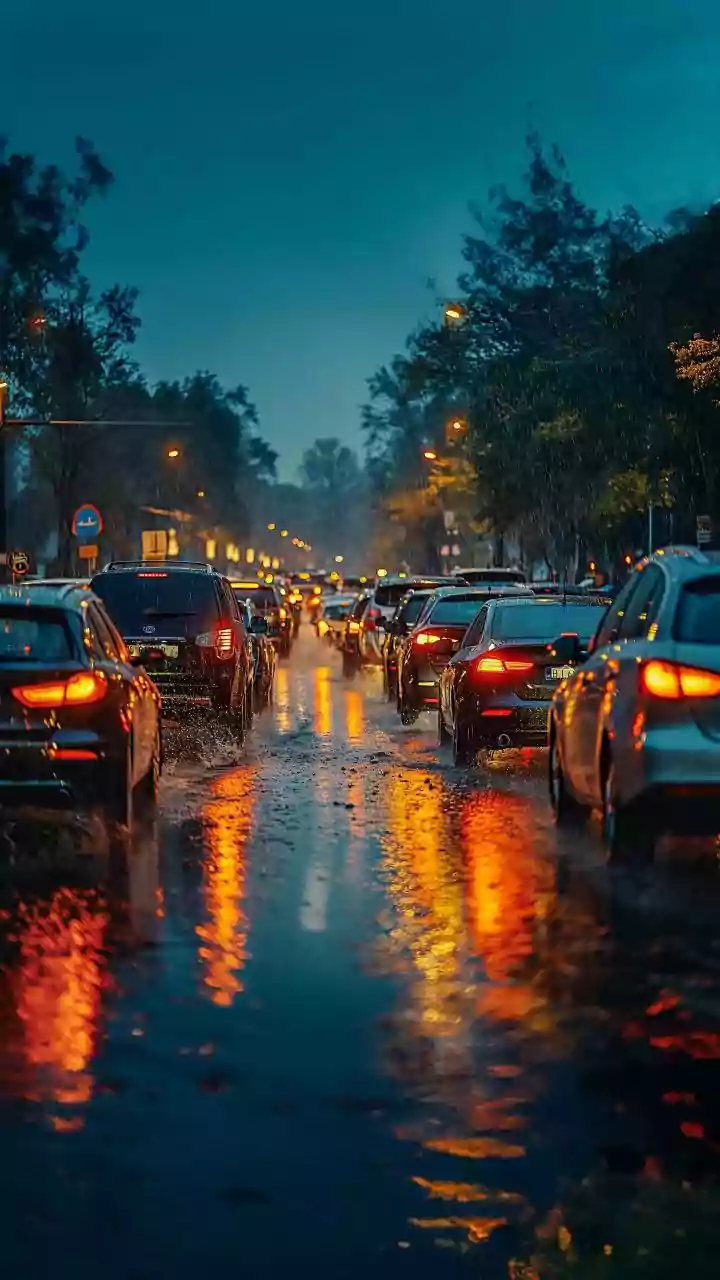
transport'. A typical trip might look like this: an auto-rickshaw to a friend's place, a pre-booked cab to the inter-state bus terminal, an overnight journey on a premium bus, and finally, another ride-hailing service to the hostel. This strategic combination of different services for each leg of the trip isn't accidental; it's a deliberate choice driven by a new travel philosophy that prioritises affordability, convenience, and experience.
Driven by Digital Convenience
Technology is the engine powering this trend. A host of mobile applications have made booking and managing complex, multi-part journeys incredibly simple. With apps like redBus for intercity buses, Ola and Uber for first- and last-mile connectivity, and platforms like Rome2Rio to figure out the best combinations, a traveller can stitch together a complete itinerary from their phone. A recent survey from July 2026 found that over 82% of young travellers consider technology very important to their experience. The ability to book tickets online, track vehicles in real-time, and make digital payments removes friction and makes a hybrid journey not just possible, but preferable. This digital fluency means young travellers can optimise each segment of their trip for either cost or comfort on the fly.
Every Rupee Counts
For the financially savvy Gen Z and millennial traveller, budget is paramount. They are masters of stretching their money to maximise experiences. While a direct cab or flight to a destination might be faster, it can also consume a significant chunk of the travel budget. By opting for an overnight bus for the longest leg of the journey, they save on both the ticket fare and a night's accommodation. A 2026 survey by IntrCity SmartBus revealed that affordability is one of the top factors influencing transport choice for young professionals. This cost-conscious mindset doesn't always mean choosing the absolute cheapest option, but rather finding the best value. This might involve paying a little more for a premium bus service with better amenities, which nearly 70% of travellers said they would prefer over other modes for a mid-range journey.
A New Mindset: Experience Over Everything
This trend isn't just about saving money; it’s about a fundamental shift in what young people value in travel. The journey itself is becoming part of the adventure. Unlike previous generations who might have seen travel as a break from routine, many young Indians view it as an integral part of their lifestyle, taking more frequent, shorter trips. They are often more willing to trade the sterile comfort of an airport for the dynamic, on-the-ground experience of a bus journey. This mindset also reflects a move away from vehicle ownership. Many young urban professionals own cars but deliberately choose not to use them for intercity travel, citing the stress of long-distance driving as a key reason to opt for shared mobility instead.
Connecting the Last Mile
Hybrid travel is also a practical response to India's diverse and sometimes fragmented transport infrastructure. While major cities are well-connected, reaching smaller towns, remote hill stations, or coastal villages often requires a change of transport. Ride-hailing services have become crucial for bridging these gaps, providing essential first- and last-mile connectivity from bus stations and railway terminals in areas where public transport may be limited. This combination allows travellers to access off-the-beaten-path destinations more easily, turning a logistical challenge into a seamless part of the travel plan.