


Kedarkantha Trek, Uttarakhand
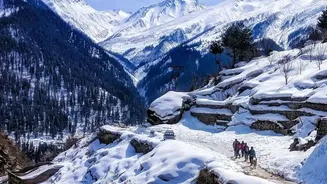
Often hailed as the 'Queen of Winter Treks', Kedarkantha is arguably the most popular destination for snow-seekers in India. Its reputation is well-earned. The trail, beginning from the village of Sankri, is well-marked and climbs through enchanting pine
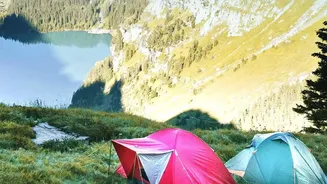
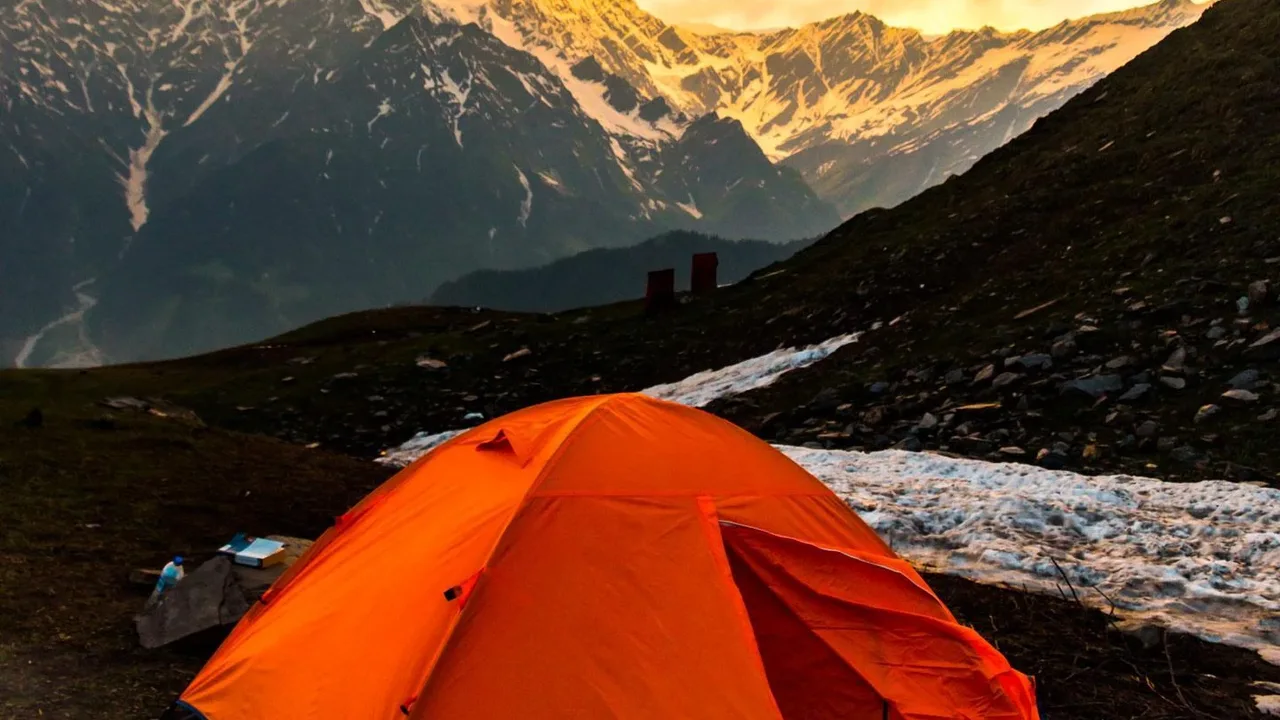
and oak forests draped in snow. One of the trek's biggest draws is its series of beautiful campsites. Juda Ka Talab, a high-altitude lake that often freezes over, provides a stunning setting for your first night's camp. The Kedarkantha Base Camp itself is an open meadow offering breathtaking views of surrounding peaks. The trail is considered easy to moderate, making it accessible for fit beginners looking for their first snow trek. The summit climb rewards you with a 360-degree panorama of Himalayan giants like the Swargarohini and Bandarpoonch ranges.
Brahmatal Trek, Uttarakhand
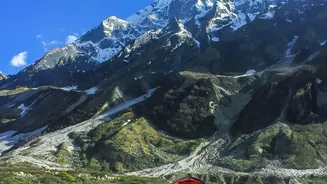
If the idea of camping beside frozen alpine lakes appeals to you, Brahmatal is an exceptional choice. This trek, which starts from Lohajung, is another beginner-friendly winter trail known for its magnificent views and thick snow cover from December to March. The journey takes you through quiet rhododendron and oak forests to two key lakes: Bekaltal and Brahmatal. Camping near these frozen bodies of water is a core part of the experience. The trail offers consistently spectacular views of some of the Garhwal Himalaya's most imposing peaks, including Mt. Trishul and Nanda Ghunti, which dominate the horizon. The climb to the Brahmatal summit at 12,250 feet is a gradual ascent, making it manageable for those with a steady pace and good fitness.
Dayara Bugyal Trek, Uttarakhand
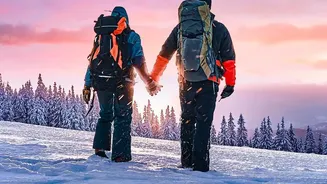
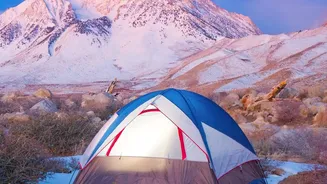
‘Bugyal’ means high-altitude meadow, and Dayara Bugyal is one of the most beautiful and expansive in the Himalayas. In winter, this 28-square-kilometre meadow transforms into a vast, rolling canvas of white, making it a perfect, almost surreal location for snow camping. The trek is graded as easy and is often recommended as the best winter trek for first-timers and families. The slopes are gentle, and the wide-open spaces provide a sense of immense freedom. The campsites, such as Gui and Dayara, are located in stunning settings where tents are pitched directly on the snow, offering an authentic Himalayan camping experience. Trekkers are rewarded with uninterrupted views of the Bandarpoonch range. The sheer scale of the snowy landscape here makes it a unique and deeply memorable place to pitch a tent.
Essential Gear For Deep Snow
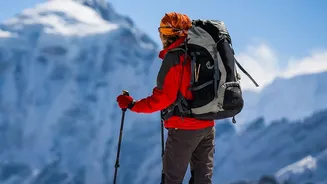
Camping in deep snow is not just about a good tent; it's about a complete system to keep you warm and dry. Your tent must be a 4-season model, built to withstand wind and snow-load. A sub-zero-rated sleeping bag (comfort rating of -10°C or lower) is non-negotiable, paired with an insulated sleeping mat to prevent ground cold from seeping through. For walking on snow and ice, microspikes and gaiters are essential. Microspikes provide grip on icy patches, while gaiters prevent snow from entering your boots. Your clothing should follow the three-layer rule: a moisture-wicking base layer, a warm fleece or down mid-layer, and a waterproof, windproof outer shell. Finally, trekking poles are crucial for maintaining balance on uneven, snowy terrain.
Safety On The Snow Trail
The beauty of the winter Himalayas comes with inherent risks. Safety should always be your first priority. Never attempt a snow trek alone; always go with a certified guide or a reputable trekking company. Acclimatization is key to avoiding Acute Mountain Sickness (AMS), so ensure your itinerary includes gradual ascents. Always check the weather forecast before you start your day's trek, as mountain weather is notoriously unpredictable. Stay hydrated, even if you don't feel thirsty in the cold, and carry high-energy snacks. Understand the symptoms of hypothermia and AMS, and be prepared to descend if you or a team member shows signs of illness. Remember, the mountains will always be there; returning safely is the true success of any trek.