

Northern Heartiness: Greens and Ghee
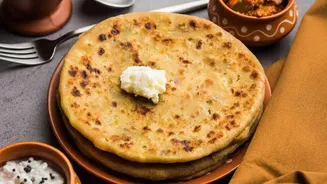
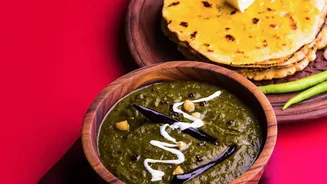
In North India, winter is synonymous with lush fields of leafy greens. The undisputed star is Sarson ka Saag, a rustic and robust dish made by slow-cooking mustard greens, often mixed with spinach or bathua, until they become velvety smooth. It’s traditionally
served with Makki ki Roti (a flatbread made from maize flour) and a generous dollop of white butter. Another winter icon is Gajar ka Halwa, a rich pudding made from sweet, seasonal red carrots that appear in markets only during this time. Grated carrots are slowly simmered with milk, ghee, and sugar until they reach a fudgy consistency, creating a dessert that is the very essence of winter comfort.
Western Wonders: The Art of the Medley
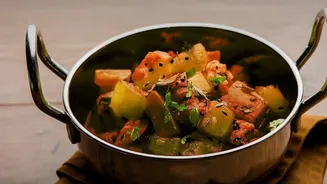
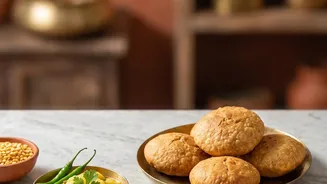
Travel west to Gujarat, and you'll find one of India's most complex and celebrated winter dishes: Undhiyu. The name, meaning 'upside down', refers to the traditional method of cooking the dish underground in sealed earthen pots. It’s a masterful mix of seasonal vegetables like surti papdi (hyacinth beans), purple yam, sweet potatoes, and unripe bananas, all layered with a fresh green masala of coconut, garlic, and coriander. To complement this, kitchens in Gujarat and Rajasthan also switch to rotlas made from bajra (pearl millet), a warming grain that provides essential energy during the cold season.
Eastern Elegance: Sweetness from the Sap
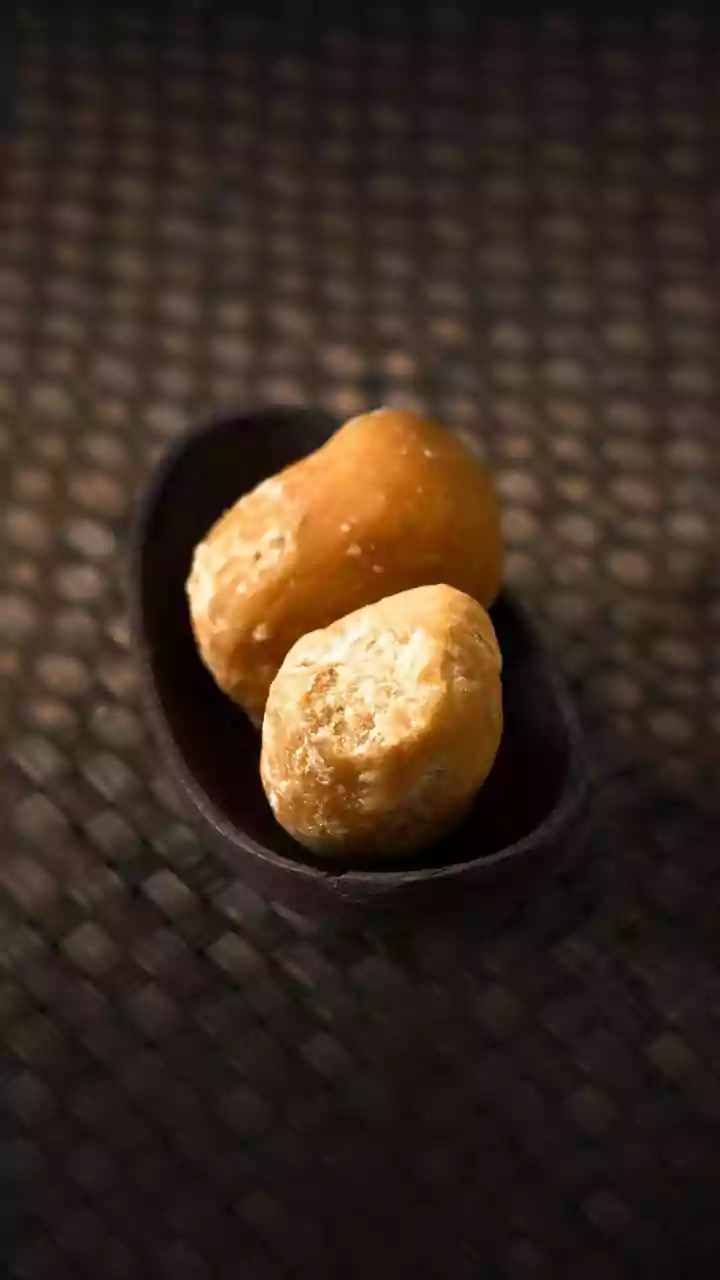
In Bengal and other parts of Eastern India, winter brings a unique and treasured ingredient: Nolen Gur, or date palm jaggery. This seasonal liquid jaggery, with its smoky, caramel-like sweetness, is the soul of Bengali winter desserts. The most beloved of these is Nolen Gurer Payesh, a creamy rice pudding (kheer) simmered with full-fat milk and fragrant Gobindobhog rice. The gur imparts a delicate sweetness and a beautiful light brown colour that no refined sugar can replicate. Winter is also the season for Pitha, a category of rice cakes that can be steamed, fried, or griddled, and come in countless sweet and savoury varieties across the region.
Southern Comfort: Spice and Sustenance
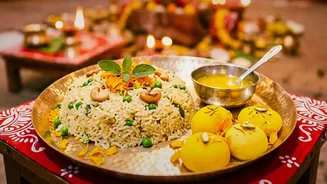
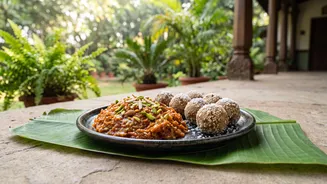
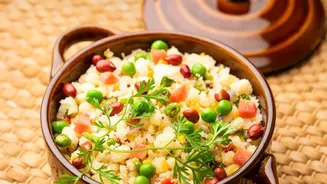
While South India's winters are milder, the cuisine still adapts to the season. The harvest festival of Pongal, celebrated in Tamil Nadu, gives its name to a comforting dish of rice and lentils cooked together. It comes in two forms: a savoury version (Ven Pongal) spiced with black pepper, cumin, and ginger and enriched with ghee, and a sweet version (Sakkarai Pongal) made with jaggery. In Karnataka, the winter harvest brings Avarekalu (hyacinth beans), which are used to make hearty saarus (rasams) and curries. Further south in Kerala, you might find Beetroot Thoran, a stir-fry of finely chopped beetroot with coconut and spices, offering a vibrant and nutritious bite.
The Warming Pantry: Cross-Regional Staples
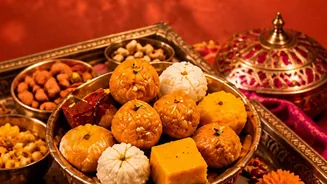
Beyond these regional showstoppers, a common culinary philosophy unites Indian winter cooking. Ingredients known for their warming properties, as per Ayurvedic tradition, become pantry staples. Ghee (clarified butter), jaggery, and sesame seeds are used extensively in sweets like Til Ladoo and Chikki, especially around the Makar Sankranti festival. Millets like bajra and ragi become more common, valued for their high iron and fibre content. Spices such as black pepper, ginger, and garlic are not just for flavour; they are believed to aid digestion and boost immunity, providing a delicious defense against the winter chill.