


The Dangers of a Downpour for Potted Plants
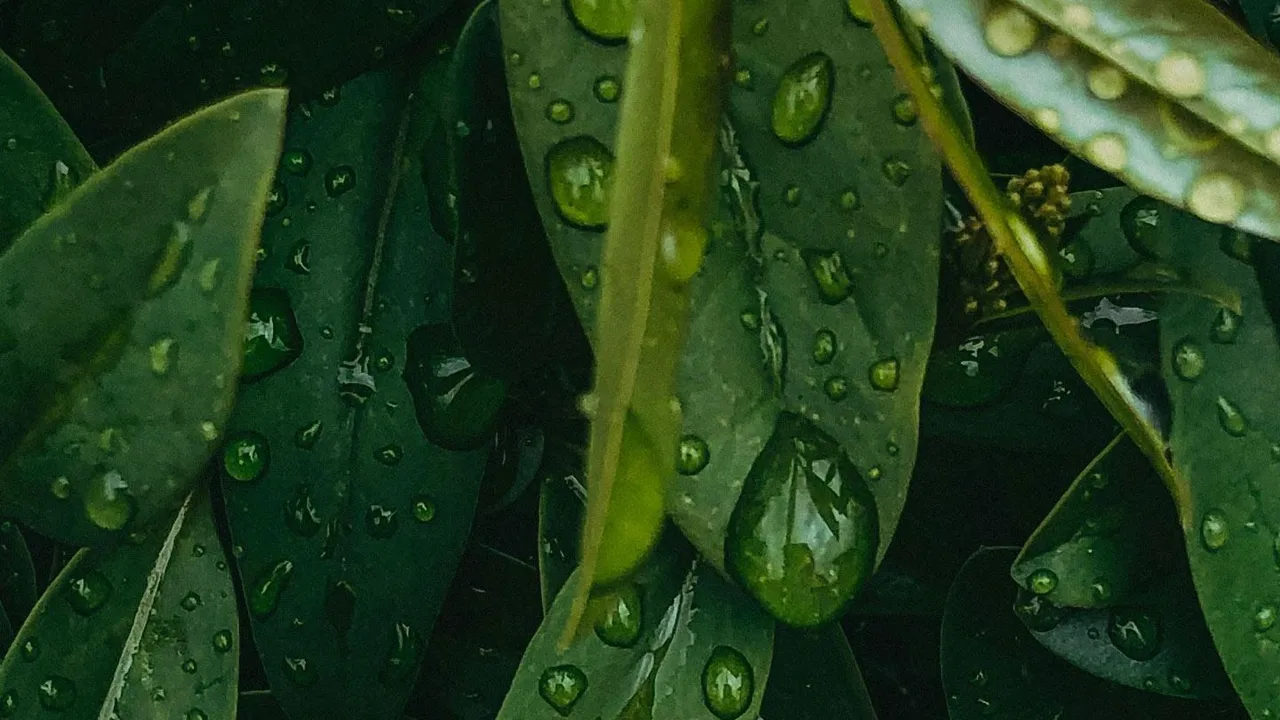
While rain is essential for plant life, an uncontrolled deluge can be disastrous for plants confined to pots and containers. Unlike gardens where water can disperse, pots have limited drainage. When soil becomes waterlogged, it cuts off the oxygen supply
to the roots. This oxygen deprivation can quickly lead to root rot, a condition where roots decay, turn brown or black, and lose their ability to absorb water and nutrients. The result is a plant that appears wilted and stressed, ironically, as if it's suffering from a lack of water. Beyond root rot, excessive rain can wash away essential nutrients from the soil, stunt growth, and create a damp environment that encourages fungal diseases and pests.
Introducing Modular Rain Deflectors
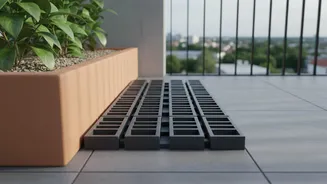
Enter the modular rain deflector, a clever and increasingly popular solution for urban and balcony gardeners. These are essentially protective covers or shields designed to sit over the top of your plant pots, covering the soil surface while leaving the plant itself exposed. The "modular" aspect refers to their adaptable design; they often come in interlocking pieces or adjustable formats that can be customized to fit a wide range of pot sizes and shapes, from small round containers to large rectangular troughs. They can be made from various materials, including sturdy plastics or clear acrylics, designed to withstand the elements while being unobtrusive.
How Deflectors Prevent Drainage Issues
The function of a rain deflector is elegantly simple: it physically blocks the bulk of rainwater from entering the pot and saturating the soil. By covering the soil, the deflector ensures that you, the gardener, remain in control of your plant's water intake. This prevents the soil from becoming a soggy, oxygen-deprived mess during periods of heavy or prolonged rainfall. The plant still benefits from the increased humidity and ambient moisture in the air, but its root system is shielded from the direct impact of a storm. This simple intervention is one of the most effective ways to prevent overwatering and the cascade of problems that follow, ensuring the pot's drainage holes can manage any excess moisture effectively.
Beyond Drainage: Additional Benefits
The advantages of using rain deflectors extend beyond just preventing root rot. They also help to prevent soil erosion and splashing, keeping your balcony cleaner and ensuring your plant's soil stays in the pot where it belongs. For flowering plants or those with delicate foliage, a deflector can act as a shield against the physical force of heavy raindrops, which can bruise petals and damage leaves. Furthermore, by keeping the top layer of soil from becoming perpetually damp, they can help reduce the likelihood of attracting pests like fungus gnats, which thrive in moist conditions. This creates a healthier overall micro-environment for your plants to flourish.
Choosing and Using Your Deflector System
When selecting a modular rain deflector, consider a few key factors. Look for durable, UV-resistant materials that won't become brittle and crack in the sun. The ability to adjust or cut the deflector to size is crucial for a snug fit. Some designs feature central openings that can be customized to accommodate the stems of your plants. Installation is typically straightforward, involving placing the cover directly on the soil or attaching it to the rim of the pot. For a DIY approach, some gardeners have found success creating their own covers from sturdy plastic trays or other waterproof materials. Regardless of whether you buy or build, the key is to ensure the cover is secure enough that it won't be dislodged by wind.