


Build an Indoor 'Thunder Den'
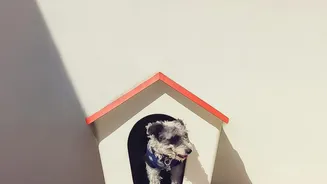
Pets instinctively seek out safe, den-like spaces when scared. In an apartment, this can be an interior closet, a bathroom with no windows, or even a crate covered with a heavy blanket to muffle sound and block lightning flashes. Make it inviting with their
favourite bed, a toy, and an item with your scent, like an old t-shirt. The key is to make it a voluntary retreat, not a forced confinement, so leave the door open. This gives them a sense of control and a predictable haven when the storm hits.
Soundscape Your Space
Apartment walls can feel thin when thunder cracks overhead. You can counter this by creating a buffer of calming background noise. A white noise machine, a running fan, or even a TV show or classical music can help mask the sudden booms and rumbles that startle pets. This sound-masking technique helps dilute the impact of the storm's unpredictable noises, making the environment feel more stable and less threatening for a nervous animal.
Try Gentle Pressure Wraps
Many pets find gentle, constant pressure incredibly calming, much like swaddling a baby. Snug-fitting anxiety wraps or shirts are designed for this very purpose and can be a game-changer for a stressed pet. They provide a sense of security and can reduce visible signs of anxiety like trembling and panting. In a pinch, even a carefully wrapped towel can provide some comfort. These tools work best when introduced during calm moments, so your pet has a positive association with them before a storm arrives.
Master the Art of Distraction
Redirecting your pet's focus can be a powerful tool. When the storm begins, try engaging them in a quiet indoor activity they enjoy. This could be a gentle game of fetch with a soft toy, working on a puzzle feeder filled with high-value treats, or practicing familiar training cues. The goal is to create a positive association: storm sounds become a predictor of playtime or delicious snacks. This helps to counter-condition their fear response over time.
Manage Your Own Anxiety
Your pet is highly attuned to your emotional state. If you are tense, anxious, or jumpy during a storm, they will pick up on your cues and believe there is a real reason to be afraid. Try to remain calm and act as normally as possible. Speak in a soothing, low voice and offer gentle pets if they seek you out, but avoid excessive coddling, which can sometimes reinforce fearful behaviour. Your calm presence is one of the most reassuring signals you can send.
Plan for Long-Term Desensitization
While immediate hacks are crucial, the most effective long-term solution is desensitization. This involves playing recordings of storm sounds at a very low, barely audible volume while your pet is relaxed. Pair the sounds with positive things like treats or play. Over many weeks, you can gradually increase the volume, helping your pet build a new, non-fearful association with the sound. This process takes time and patience but can dramatically reduce their phobia in the long run.