





The Treacherous First Ten Minutes
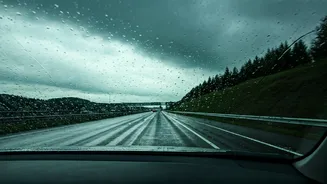
The most dangerous period of a rain shower is often its first 10 to 20 minutes. [16, 14] During dry spells, roads accumulate a layer of oil, grease, fuel residue, and dust from daily traffic. [3, 11, 18] When the first drops of rain fall, they don't wash
these substances away. Instead, the water lifts the oily film to the surface, creating an incredibly slick, lubricating layer. [8, 16, 21] This mixture of oil and water dramatically reduces the friction between your tyres and the asphalt, making the surface as slippery as ice. [11] This effect is particularly hazardous because a light shower may not seem threatening, yet it creates some of the most treacherous driving conditions. [3, 22] After about 15 to 20 minutes of steady rain, this slick layer is typically washed away, and road grip can actually improve compared to those initial moments. [8]
Understanding the Danger of Hydroplaning
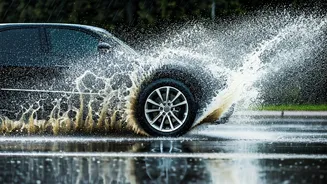
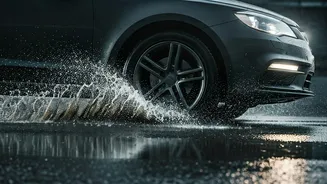
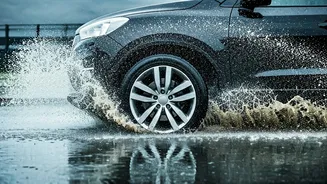
As rain continues, the danger shifts from oily surfaces to hydroplaning. Hydroplaning, or aquaplaning, occurs when a layer of water builds between your tyres and the road surface. [5, 9] This causes the tyres to lose direct contact with the road, making you feel a sudden lightness in the steering as your vehicle effectively floats. [4, 8] The result is a total loss of steering, braking, and power control. [5] It can happen at speeds as low as 55-65 km/h (around 35-40 mph), especially if tyres are worn or under-inflated. [5, 8, 24] Adequate tread depth is crucial, as the grooves in your tyres are designed to channel water away. [5, 15] When the volume of water is greater than what the treads can disperse, hydroplaning becomes inevitable. [4]
Visibility: Seeing and Being Seen
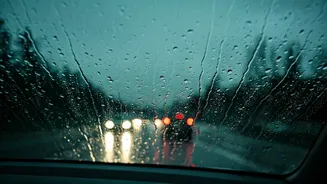
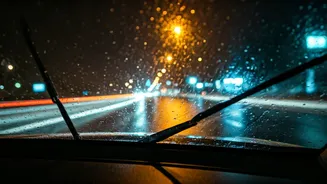
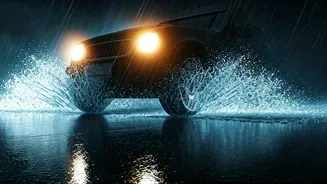
Rain doesn't just affect the road; it severely impacts your ability to see and be seen. Heavy downpours can reduce visibility to just a few hundred feet, making it difficult to spot hazards, read signs, or judge the speed of other vehicles. [20, 23] Spray from larger vehicles can suddenly blind you. It is essential to switch on your low-beam headlights—not high beams, which reflect off the raindrops and worsen visibility—to make yourself more visible to others. [6, 12] Before the monsoon season begins, ensure your wiper blades are in good condition, clearing the screen without leaving streaks. [15, 17] Also check that your defogger is working correctly to prevent the windshield from misting up. [12]
How to Adapt Your Driving Immediately
The moment rain begins, you must adjust your driving style. The single most important action is to reduce your speed significantly—by at least one-third of your normal speed on a dry road. [23, 24] Increase your following distance to at least double what you would normally maintain, giving yourself more time and space to brake. [17, 24] Braking distances can increase by 46% or more on wet surfaces. [25] Avoid sudden movements; make all steering, braking, and acceleration inputs smooth and gentle. [3, 6] It's also wise to turn off cruise control, as you need full manual control to react to changing traction. [5, 7] If possible, try to drive in the tyre tracks of the vehicle ahead of you, as it will have cleared some of the standing water from the road. [5, 17]
Vehicle Checks Are Your First Line of Defence
Your safety in the rain starts before you even turn the key. Regularly check your vehicle's core safety components. Tyres are paramount; ensure they have sufficient tread depth (at least 3mm is recommended for monsoon conditions) and are inflated to the manufacturer's specified pressure. [6, 15, 17] Worn or improperly inflated tyres are a leading cause of hydroplaning. [4, 7] Your braking system must be in perfect working order, as wet conditions will expose any weaknesses. [12, 13] Finally, check all your lights—headlights, tail-lights, and indicators—to ensure you remain visible to all other road users during a downpour. [12, 15]