







A Shift in Festive Financial Strategy
This festive season, a noticeable change is underway in how Indian families are approaching their holiday budgets. While the spirit of celebration remains strong, the execution is becoming more considered and deliberate. Instead of a wide array of small,
discretionary purchases, many consumers are adopting a more disciplined financial approach. According to a YouGov India Festive Shopping Report for 2026, a significant portion of consumers are planning to shop more carefully. This involves 26% of shoppers sticking to their usual budget but being smarter with their choices, and another 23% planning to actively reduce non-essential buys. This signals a move away from impulse buys and towards purchases that offer long-term value and utility.
The Rise of the Essential Upgrade
So, where is this carefully managed money going? The focus is increasingly on 'essential upgrades'. This category includes big-ticket items that improve daily life, such as new home appliances, furniture, or a much-needed vehicle. A survey by LocalCircles found that while clothing remains a top priority, 45% of households planning to spend are considering furniture and home appliances. Another 22% are looking at home renovations or new technology like mobile phones and consumer electronics. This shift represents a deeper trend of households investing in their immediate environment and long-term comfort. Rather than spending on fleeting luxuries, the priority is now on functional items that serve a clear purpose and enhance the quality of life, a pattern identified in broader consumer shifts towards asset-building.
What's Driving This New Discipline?
Several factors are fuelling this move towards financial prudence during what is traditionally a season of excess. Persistent inflation is a primary driver, with rising prices for food and other essentials putting a strain on household budgets. According to government data, retail inflation climbed to 5.54% in September, making consumers more conscious of every rupee spent. A survey noted that total festive spending by urban households is estimated to fall by 6% in 2026 compared to the previous year. Furthermore, there appears to be a broader psychological shift. A Deloitte India report points to consumers entering a phase of 'calibrated consumption', where they balance aspirations with financial discipline and intentional decision-making. This suggests a maturing consumer base that prioritises long-term value over short-term gratification, a trend that began even before the current festive season.
Smart Strategies for Upgrade Season
This newfound discipline isn't about avoiding spending altogether; it's about spending smarter. Consumers are employing specific strategies to make their upgrade goals a reality. Many are dipping into their savings to fund these larger purchases, with one survey finding that 83% of households planning to spend will use savings to cover at least part of the cost. There is also a greater focus on finding true value. The YouGov report highlighted that 49% of consumers now prioritise product quality over discounts, which are chosen as the main factor by 42%. This indicates that shoppers are willing to invest in a durable, high-quality product that will last, rather than being swayed by a temporary price cut on an inferior item. This strategic approach allows families to acquire meaningful assets without falling into debt.
How Retailers Are Responding
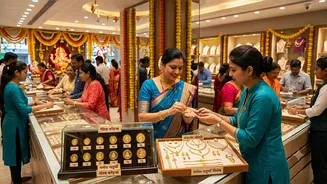
The retail sector is taking note of this evolving consumer behaviour. While overall spending might be slightly down, online sales are still projected to grow, suggesting that consumers are actively seeking out deals and comparing options from the comfort of their homes. Retailers are adapting by emphasizing value, durability, and attractive financing options like no-cost EMIs on larger appliances and electronics. The narrative in marketing is also shifting, focusing less on a frenzy of small discounts and more on the wisdom of investing in a quality upgrade. For some products with soaring prices, like precious metals, consumers are adopting tactics like exchanging old gold or buying smaller, lightweight pieces to preserve tradition without breaking the bank. This shows a market that is responding to a more discerning and financially literate customer base.