


Beyond the Restaurant Menu
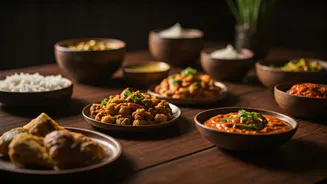
Not long ago, the digital representation of Indian cuisine was largely confined to a narrow, restaurant-led playbook. The stars were almost always the same: Paneer Tikka Masala, Chicken Korma, Garlic Naan. These dishes, while delicious, represent only
a tiny fraction of India's vast culinary landscape. They were chosen for their global palatability and visual appeal, creating a perception of Indian food that was rich, heavy, and primarily North Indian. This curated feed often overlooked the incredible diversity of home-cooked meals, regional specialities, and the everyday food that nourishes hundreds of millions. The 'Instagram-friendly' aesthetic favoured polished, professional shots that erased the charming reality of the Indian home kitchen.
The Rise of Regional Authenticity
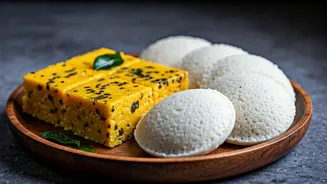
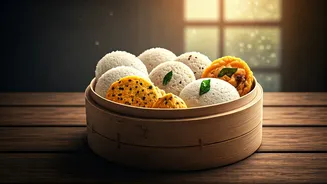
The change began with a new wave of creators who decided to turn their cameras inward—towards their own kitchens and family traditions. Suddenly, feeds began to fill with dishes that rarely, if ever, saw the inside of a commercial restaurant. We started seeing the intricate process of making Puran Poli in Maharashtra, the comforting simplicity of Panta Bhaat from Bengal, the fermented goodness of a millet-based Aambli from Karnataka, and the vibrant flavours of a Kashmiri Rogan Josh cooked at home. These creators aren't just posting recipes; they are sharing stories, techniques passed down through generations, and a sense of place. They are de-colonising the Indian plate, moving the narrative from a handful of Mughlai-inspired dishes to a rich tapestry of regional flavours.
Why Is This Happening Now?
Several factors are fuelling this authentic food movement. The pandemic lockdowns played a significant role, as many people found themselves at home with more time to cook, experiment, and document their culinary heritage. It sparked a nostalgia for comfort food and a renewed appreciation for family recipes. Simultaneously, a generation of Indian and diaspora creators, armed with smartphones and a strong sense of identity, felt empowered to challenge the old stereotypes. They realised their home food, once perhaps considered too simple or 'not fancy enough' for the internet, was not only valid but deeply resonant. Technology, from better phone cameras to the rise of short-form video on Instagram Reels and TikTok, made it easier than ever to share the dynamic, messy, and beautiful process of cooking.
Celebrating the 'Ugly Delicious'
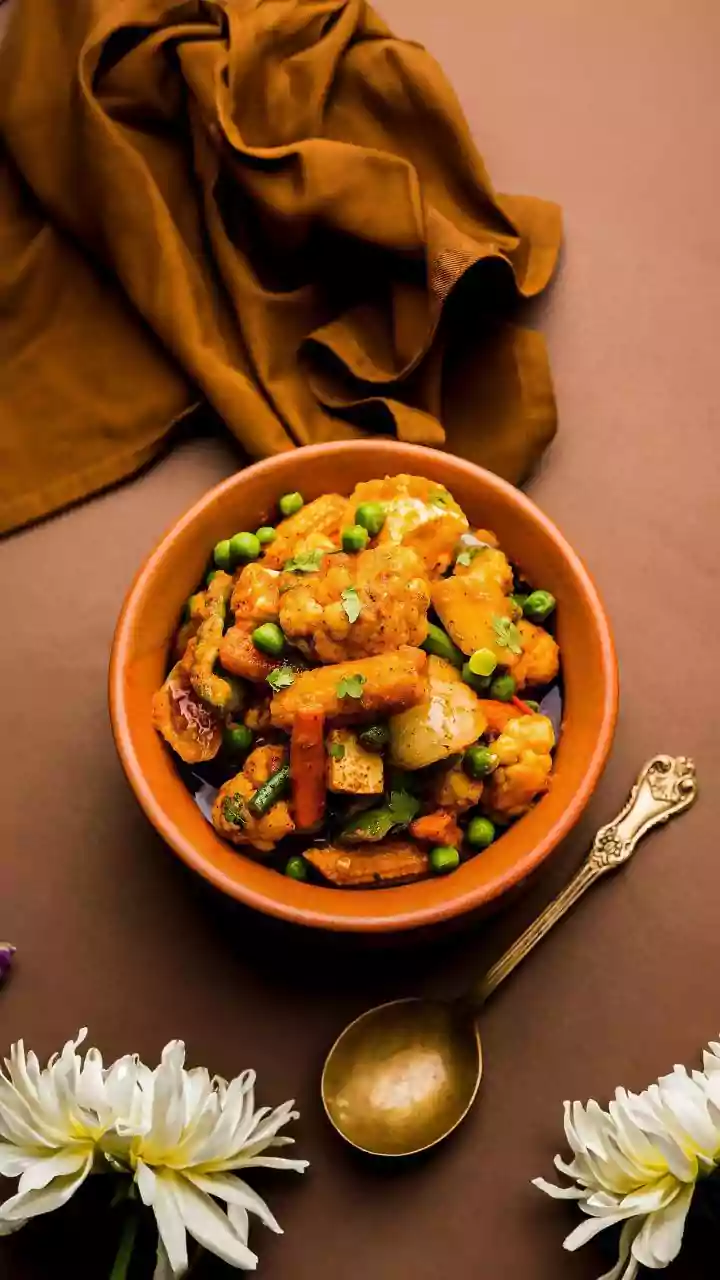
This movement also redefines what constitutes a 'beautiful' plate of food. The obsession with perfect plating, garnishes, and studio lighting is giving way to what food writer David Chang popularised as 'ugly delicious'. A bubbling pot of dal, a rustic fish curry with its oil floating on top, a simple plate of rice and sabzi—these images may lack the curated perfection of a food magazine, but they possess something far more powerful: authenticity. They look real. They look like home. This aesthetic shift celebrates the texture, colour, and life in everyday food, proving that a dish doesn't need to be perfectly coiffed to be deeply appetising and worthy of a double-tap.
A Bridge for the Diaspora
For the millions of Indians living abroad, this trend is more than just about food; it's a vital connection to home and heritage. Watching a creator make a dish that their grandmother used to prepare can be a profoundly emotional experience. It provides a visual and educational link to a culinary identity that can feel distant. These social media feeds have become living cookbooks and cultural archives, helping members of the diaspora learn the recipes of their roots, understand the nuances of their regional cuisine, and feel a sense of pride in the food that defines their family. It validates their lived experience, showing them that the food on their own dinner tables is just as important as the food in fancy restaurants.