





The Shift Worker’s Sleep Struggle
Working through the night and sleeping during the day is more than just an inconvenience; it's a direct conflict with our internal body clock. This clock, known as the circadian rhythm, is a 24-hour cycle that tells our bodies when to be awake and when to sleep.
Shift work forces this rhythm into a state of confusion, often leading to a condition called Shift Work Sleep Disorder (SWSD). Studies in India show a high prevalence of sleep issues among shift workers, particularly in fields like healthcare and IT. This disruption isn't just about feeling tired; long-term, it's linked to a higher risk of health problems, including gastritis, headaches, anxiety, and cardiovascular issues. The constant fatigue can also impair focus and performance at work, creating a cycle of stress and exhaustion.
Understanding Your Body’s Master Clock
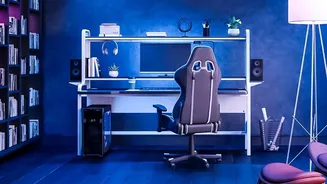
Think of your circadian rhythm as a master clock in your brain, fine-tuned by light. Bright, cool-toned light—like morning sunshine—sends a powerful signal: “It’s daytime! Be alert!”. This light exposure suppresses the production of melatonin, the hormone that makes us feel sleepy. Conversely, as darkness falls, our bodies start producing melatonin, preparing us for a restful night. The problem is, modern life is full of light at the wrong times. Bright overhead lights and the blue light from our phones, tablets, and computers can trick our brains into thinking it's still daytime, even late at night. For a shift worker trying to sleep after sunrise, this becomes a major obstacle, as daylight constantly signals their brain to stay awake.
The Science Behind the Solution
Recent research highlights a promising, non-pharmaceutical solution: a circadian-informed lighting strategy. One study found that using specific lighting interventions could accelerate the body clock's adjustment to a night shift schedule. The strategy involves carefully managing your light exposure in the hours before you intend to sleep. For a night shift worker, this means creating an artificial sunset after their shift ends in the morning. By switching to dim, warm-toned lighting and avoiding bright, blue-rich light, you signal to your brain that the 'day' is ending and it's time to wind down for 'night,' even if the sun is shining outside. This helps initiate the body’s natural melatonin production, making it easier to fall asleep and stay asleep.
How to Create a Sleep-Friendly Environment
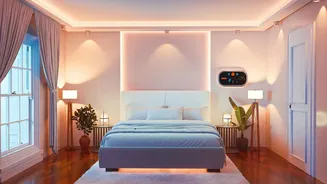
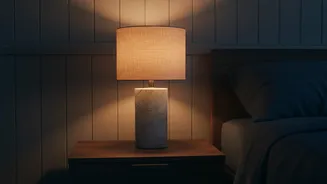
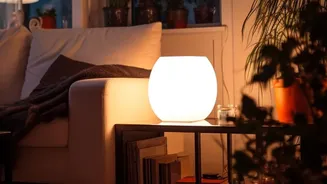
Implementing this strategy at home doesn't have to be complicated or expensive. The goal is to make your environment dimmer and warmer in the 1-2 hours before your daytime sleep. Start by investing in blackout curtains for your bedroom to block out sunlight. When you get home from a night shift, avoid turning on bright overhead lights. Instead, use low-wattage table lamps or floor lamps. Opt for light bulbs that produce a 'warm white' or amber glow. Many affordable smart bulbs allow you to control both the brightness and the colour temperature from your phone, letting you schedule a gradual transition to warm, dim light. Crucially, put away your phone and other screens, or at the very least, use their 'night mode' or blue-light-filtering settings to reduce stimulating light exposure.
Beyond Lighting: Complete Your Sleep Toolkit
While managing light is a powerful tool, it works best as part of a broader sleep hygiene routine. Consistency is key. Try to stick to the same sleep and wake times, even on your days off, to help stabilize your body clock. Create a relaxing pre-sleep ritual, such as reading a book (a physical one, not on a bright screen), taking a warm bath, or listening to calming music. Ensure your bedroom is a sanctuary for sleep: cool, quiet, and dark. Avoid heavy meals, caffeine, and alcohol close to your bedtime. These substances can interfere with your ability to fall asleep and reduce the quality of your rest. By combining a smart lighting strategy with these timeless sleep hygiene habits, you can give your body its best possible chance to get the restorative sleep it needs, no matter what hours you work.