






The Great Indian Fibre Gap
Recent studies highlight a concerning trend: a vast majority of Indians are not consuming enough dietary fibre. The Indian Council of Medical Research (ICMR) recommends about 30 grams of fibre per day for an adult. However, multiple surveys and studies show
that the average intake for many Indians is only around 15 to 20 grams per day. One 2026 survey found that nearly 70% of Indians fail to meet their daily fibre target, with the gap being even more pronounced in women. This shortfall isn't due to a lack of delicious food, but rather a shift in dietary patterns. An increasing reliance on refined grains like white rice and maida, along with ultra-processed foods, has pushed fibre-rich whole grains, millets, and legumes to the side. While awareness about nutrition is growing, it hasn't fully translated into changing what's on our plates.
What is Fibre and Why Does It Matter?
Dietary fibre is a type of carbohydrate that our body cannot digest. It doesn't provide energy like fats or proteins, but it plays a vital role in keeping us healthy. There are two main types: soluble fibre, which dissolves in water to form a gel-like substance, and insoluble fibre, which does not dissolve and adds bulk to stool. Soluble fibre, found in oats, beans, and some fruits, helps regulate blood sugar and lower cholesterol. Insoluble fibre, present in whole grains and vegetables, is essential for regular bowel movements and preventing constipation. Think of fibre as the unsung hero of your digestive system; it promotes a healthy gut microbiome, which is crucial for everything from immunity to mood.
Health Risks of a Low-Fibre Diet
A chronic lack of fibre can have significant health consequences that go far beyond digestive discomfort. Diets low in fibre are strongly associated with a higher risk of non-communicable diseases like heart disease, type 2 diabetes, and certain types of cancer. Without enough fibre to slow down digestion, blood sugar levels can spike more rapidly after meals. This can contribute to insulin resistance over time. Furthermore, fibre helps you feel full and satisfied after eating, which aids in weight management. A low-fibre diet often leads to feeling hungry sooner, potentially causing overeating and weight gain. Issues like constipation, bloating, and irregular bowel movements are also direct and common signs that your diet is fibre-deficient.
Simple Swaps for a Fibre-Rich Thali
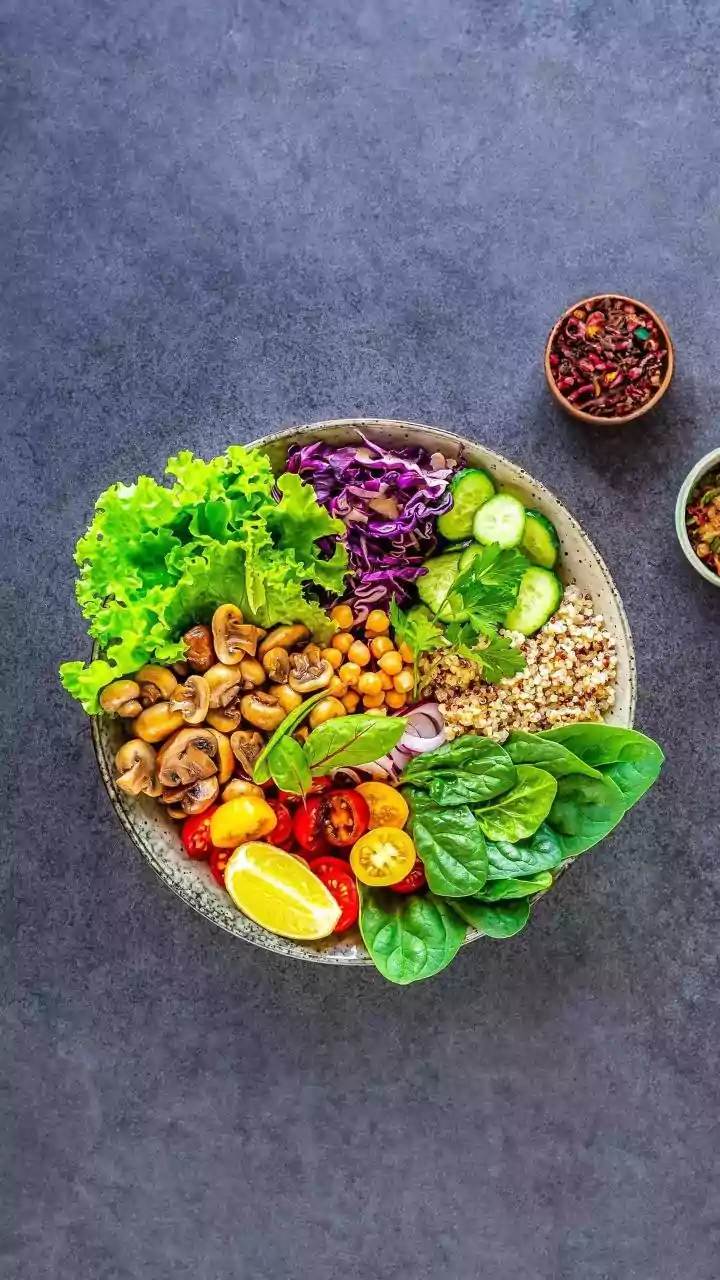
The good news is that bridging the fibre gap doesn't mean abandoning your favourite Indian meals. It's about making smart, simple swaps. The ICMR's dietary guidelines for Indians strongly encourage including more fibre-rich foods in every meal. Start by replacing refined grains with whole alternatives. Opt for whole wheat or multigrain atta for your rotis instead of refined flour. Swap polished white rice with brown rice, millets like jowar and ragi, or quinoa. Dals and legumes are fibre powerhouses; a single cup of rajma or chana can provide a significant portion of your daily needs. Ensure every meal includes a generous serving of vegetables, especially leafy greens like spinach and fibre-rich options like beans, carrots, and sweet potatoes.
Beyond the Plate: Easy Fibre Boosts
Increasing fibre intake can also happen outside of your main meals. Snacking on fruits like guavas, apples, and bananas is an excellent way to add fibre. Instead of processed snacks, reach for a handful of nuts and seeds like almonds, walnuts, and flaxseeds. You can sprinkle roasted flaxseeds or chia seeds over your poha, salads, or yoghurt for an effortless boost. Even breakfast classics can be upgraded. Try making poha with a mix of vegetables, preparing upma with whole wheat, or having a dosa made from ragi or other millets. The key is variety. Eating a diverse range of plant-based foods ensures you get both soluble and insoluble fibre, along with a wide array of other essential nutrients.