




More Than Just Butter Tea
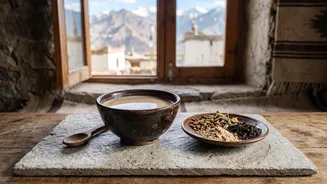
When you picture a cup of tea in Ladakh, you likely imagine 'Gur Gur Cha', the region's iconic salted butter tea. Made by churning tea leaves, water, salt, and yak butter, this rich, savoury brew is a cornerstone of Ladakhi hospitality and a vital source
of calories and warmth in the high-altitude desert. It is more than a beverage; it's a symbol of community and survival, often served to guests as a sign of respect and care. But the story of Ladakhi tea doesn't end there. Away from the spotlight, an even older tradition of herbal infusions, or 'tisanes', offers a different kind of nourishment rooted in the wild landscape.
A Pharmacy in a Cup
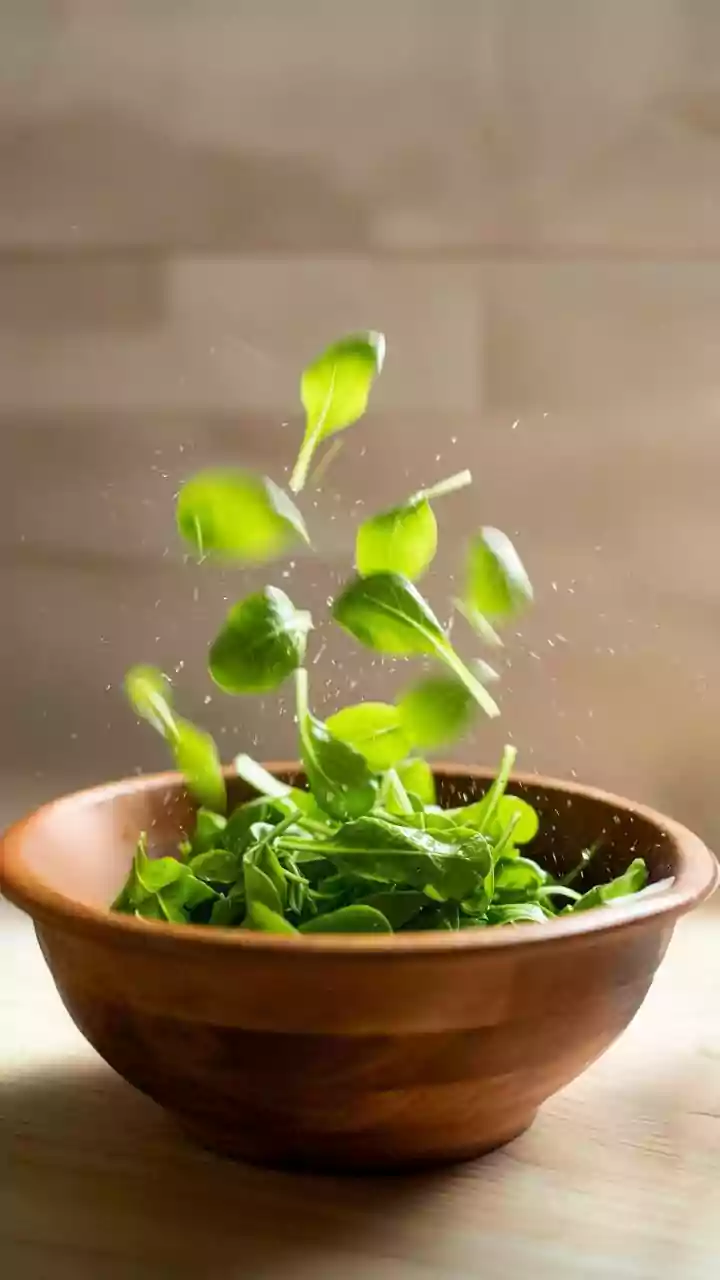
For centuries, Ladakhis have foraged for wild herbs in the Himalayan mountains, using them to create caffeine-free infusions that serve as both daily beverages and traditional remedies. These are not 'teas' in the conventional sense, as they don't come from the Camellia sinensis plant, but are rather potent herbal brews. Ingredients like wild mint and seabuckthorn leaves are commonly used. Seabuckthorn, in particular, is a local treasure, packed with antioxidants, vitamins, and minerals. Its tea is known for a tangy flavour and is believed to have numerous healing properties, offering a revitalising experience that supports overall wellness. These herbal drinks represent a deep, practical knowledge of the local ecosystem.
The Elusive 'Smoked' Tradition
The idea of 'smoked' tea in the Himalayas often points to specific, less common preparation methods. While not widespread in everyday Ladakhi herbal practice, smoking is a traditional method of preserving and flavouring tea leaves in nearby regions, which hints at shared ancient practices. For example, in parts of North East India like Nagaland, wild tea leaves are packed into bamboo tubes and hung over a hearth. The constant exposure to hearth smoke dries the leaves and imparts a distinct, robust, and smoky flavour. Another method involves drying leaves over open pine-wood fires, which gives the final brew a sweet, piney aroma. This process not only preserves the tea but transforms its flavour profile, creating a warming, complex drink perfectly suited for cold climates.
The Ritual of Brewing and Sharing
In Ladakh, preparing and sharing tea is an act woven into the fabric of daily life and social etiquette. Whether it is the formal churning of Gur Gur Cha in a traditional 'chandong' or the simple act of brewing wild herbs, the process is one of intention. Hospitality dictates that a guest's cup should never be empty, a gesture reflecting the interdependence of communities in a harsh environment. These herbal infusions, free from the ceremony of butter tea, represent a more personal, quiet moment of wellness—a cup of warmth enjoyed at the start of the day or as a soothing remedy at night. It's a practice of self-care learned from the land itself.
Ancient Wisdom for Modern Wellness
In a world increasingly drawn to natural remedies and holistic health, Ladakh's ancient tea culture offers profound lessons. The reliance on wild, foraged herbs speaks to a sustainable way of living in harmony with nature. These herbal infusions are the original wellness drinks, consumed for centuries to boost immunity, aid digestion, and provide comfort. While the salty butter tea provides necessary fats and energy, the region's herbal tisanes offer a gentler, more therapeutic form of nourishment. Exploring these traditions reveals how ancient practices, born from necessity, hold timeless wisdom for anyone seeking a more natural and mindful approach to daily health.