



Wearing Heavy Denim and Cotton
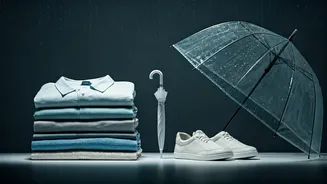
We all love our jeans, but heavy denim is one of the worst choices for a rainy day. [20] When it gets wet, it becomes incredibly heavy, uncomfortable, and takes forever to dry, leaving you feeling damp and miserable for hours. [8, 13] The same applies
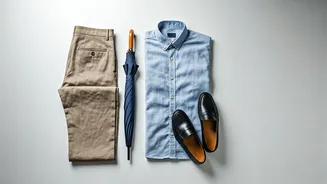
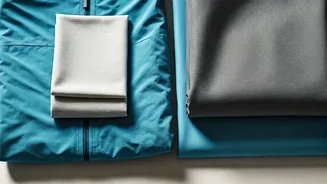
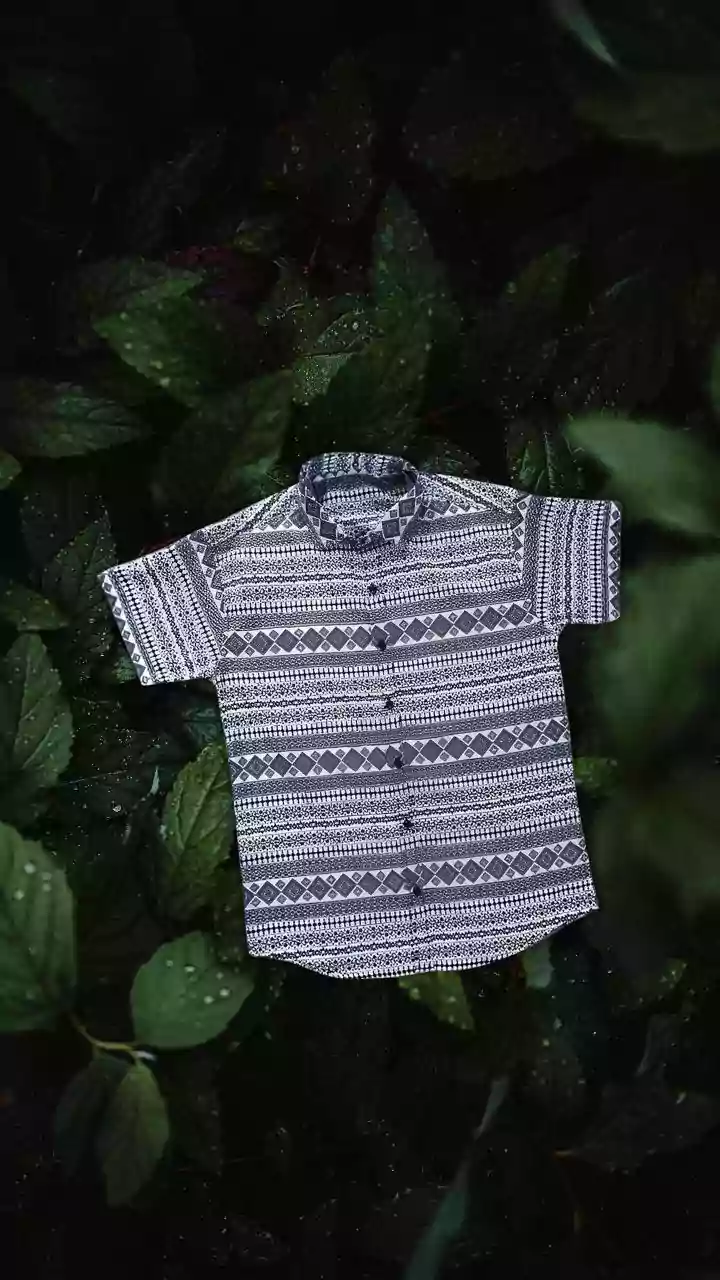
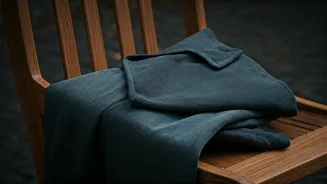
to other heavy fabrics like pure cotton, which absorbs and holds onto water. [17] Instead of your favourite denims, opt for lightweight and quick-drying fabrics. [6] Polyester blends, rayon, crepe, and nylon are excellent choices as they don't absorb much water and dry quickly. [3, 4] If you must wear trousers, consider styles made from these faster-drying materials. [13]
Choosing the Wrong Footwear
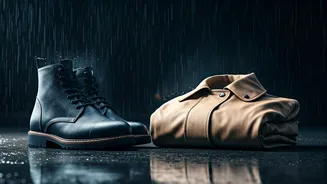
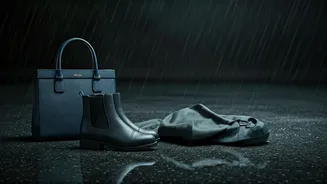
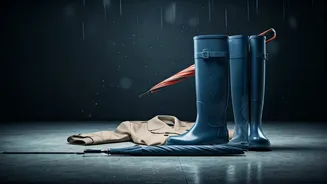
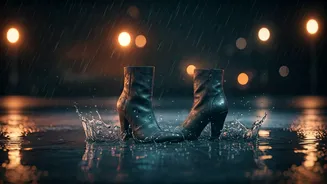
The wrong shoes can lead to soggy socks, slippery falls, and ruined footwear. Leather and suede are particularly vulnerable; water can cause them to stain, warp, or crack. [10, 20] Canvas sneakers are also a poor choice as they soak up water easily and take a long time to dry. [20] Open-toed flip-flops might seem like a good idea, but they often splash mud and dirty water onto the back of your legs. [13] The best options are waterproof or water-resistant. [11] Rubber boots, patent loafers, and sandals made from PVC or rubber are ideal because they keep your feet dry, are easy to clean, and provide better grip on slippery surfaces. [2, 12, 19]
Opting for Long or Flowing Bottoms
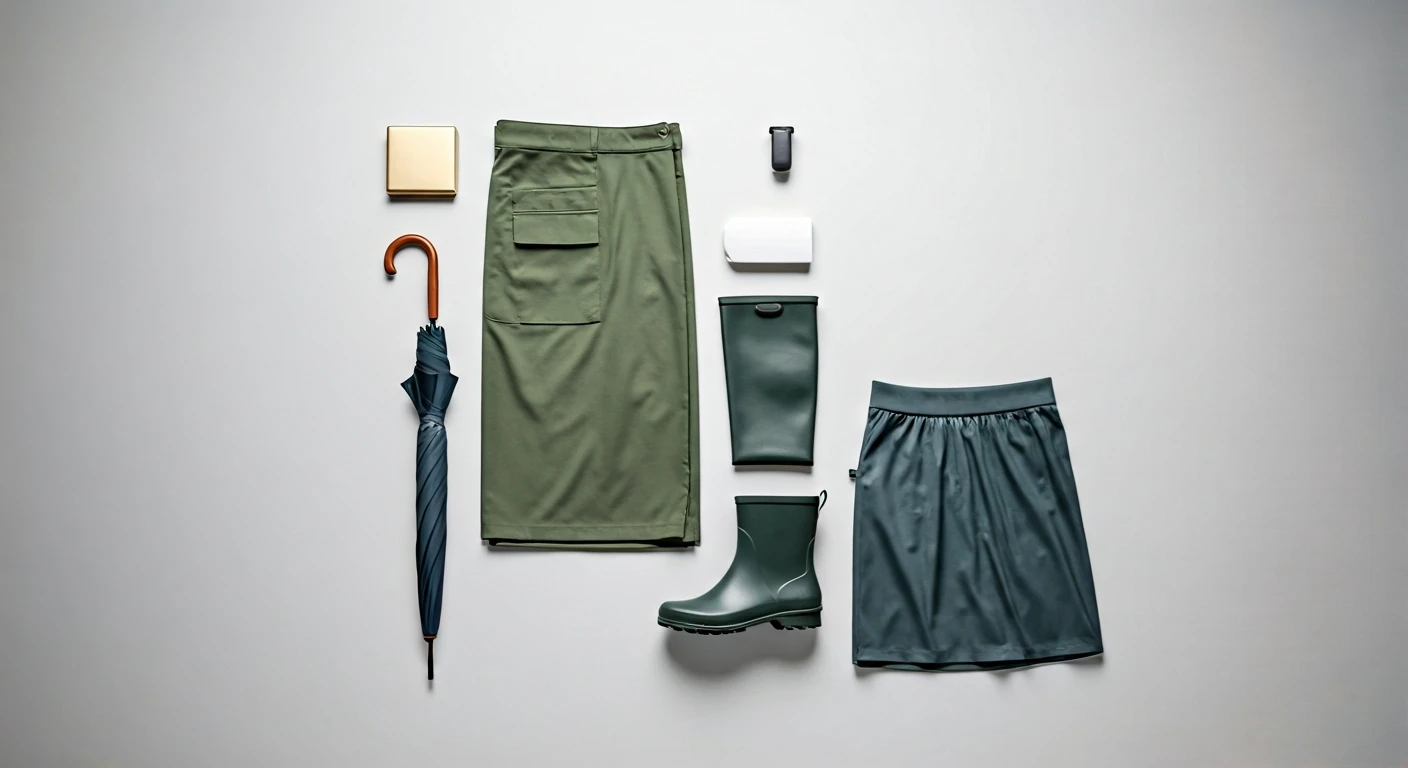
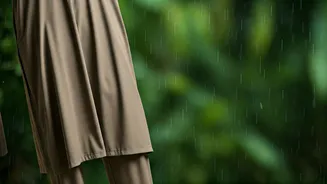
Long, trailing hemlines are a recipe for disaster during the monsoon. [8] Walking through streets with puddles means the bottoms of your full-length trousers, palazzos, or maxi skirts will inevitably get dragged through mud and dirty water, leaving them stained and damp. [8, 21] This is the season to embrace shorter lengths. Cropped trousers, culottes, shorts, and knee-length skirts or dresses are far more practical. [19, 21] They not only keep your hemlines clean and dry but also offer a chic and comfortable silhouette for the humid weather.
Wearing Light Colours
While it can be tempting to wear bright colours on a gloomy day, pristine whites and other very light shades are a major risk. [5, 13] When wet, light-coloured fabrics, especially cotton, can become transparent, leading to awkward situations. [5, 10, 13] They are also unforgiving when it comes to mud splashes and rainwater stains, which become highly visible. [5, 13] Darker colours like navy, black, deep green, or even vibrant jewel tones are a safer and more practical choice. [5] They are better at camouflaging any accidental splashes and won't turn see-through in a downpour.
Forgetting Practical Accessories
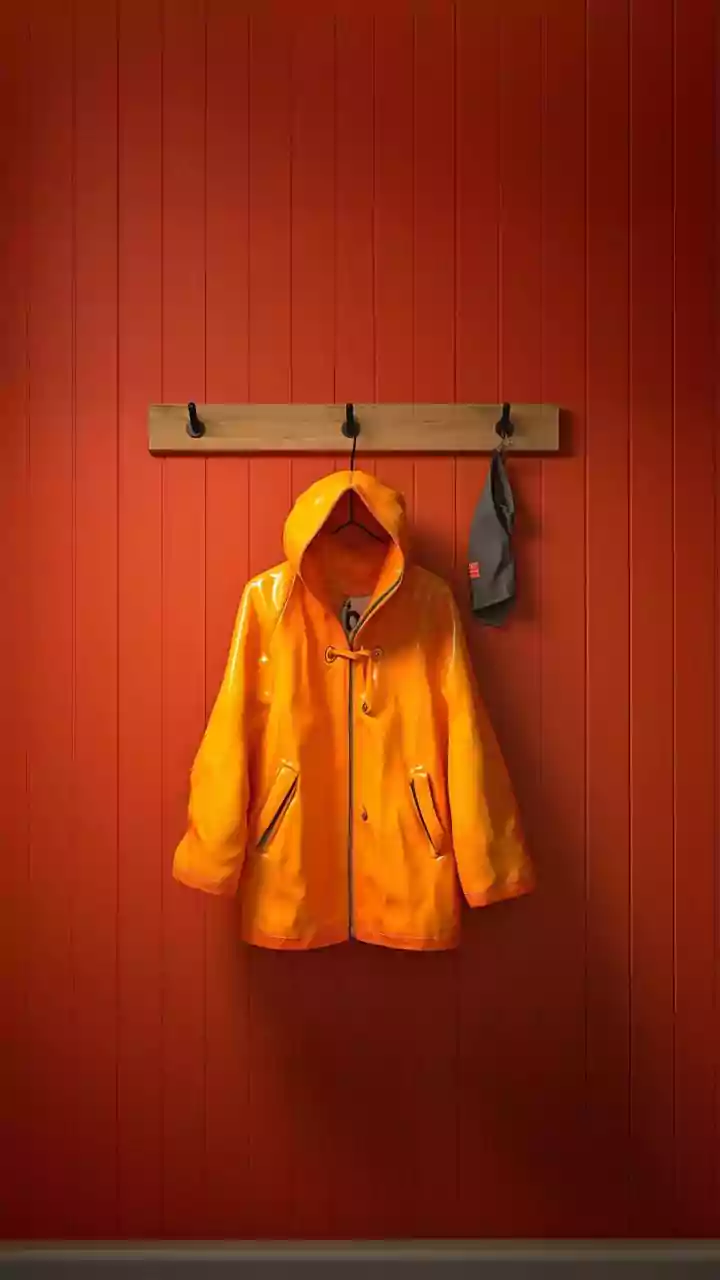
Your accessories need a monsoon-ready update too. Delicate metal jewellery can tarnish or rust in the high humidity. [5, 17] It's wiser to opt for fun, waterproof accessories made from plastic or resin. [5] Most importantly, don't overlook your bag. A canvas tote or a leather handbag can easily get ruined by rain. [8] Investing in a stylish waterproof bag or backpack is crucial to protect your essentials like your phone, wallet, and any electronics from water damage. [8] And, of course, the most essential accessory of all is a sturdy, compact umbrella you can carry with you at all times. [5]