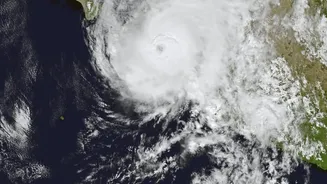







With Cyclone Arnab threatening to disrupt travel, knowing the status of your flight is crucial. Instead of waiting for airline updates, you can use real-time flight tracking technology to see what’s happening in the skies at this very moment.
Why Monitor Flights During a Cyclone?
Severe weather
is the leading cause of flight delays and cancellations. Cyclones, with their high winds, heavy rain, and low visibility, make take-offs and landings dangerous, forcing airlines and air traffic control to make tough decisions. Monitoring flights in real-time gives you a crucial advantage. You can manage your expectations, avoid a pointless trip to the airport if your flight's inbound aircraft is still hundreds of miles away, and get a head start on rebooking. In a large-scale disruption, this advanced knowledge can be the difference between getting stranded and finding an alternative route. It puts a measure of control back in your hands when everything feels uncertain.
Your Essential Toolkit: Top Flight Trackers
Several powerful and user-friendly applications can turn your smartphone into a personal air traffic control centre. The most popular options in India include Flightradar24 and FlightAware. Both are available as free mobile apps for iOS and Android and can also be accessed via their websites. These platforms aggregate data from multiple sources, including ADS-B receivers on the ground, to show the live position of thousands of aircraft on a map. They provide detailed information on specific flights, from aircraft type to its current speed and altitude, giving you a complete picture of its journey.
How to Track Your Flight: A Step-by-Step Guide
Using these apps is surprisingly simple. First, download your chosen app. Once installed, you can usually search for your flight in a few ways. The most direct method is by entering your flight number. Alternatively, you can search by route (e.g., 'Delhi to Mumbai'). The app will then display your flight's status and, in most cases, show you the live position of the aircraft on a map. A popular feature on FlightAware is 'Where is my plane?', which tracks the physical aircraft assigned to your flight, helping you see if a delay is inevitable because its previous journey is running late. You can also set up alerts for your flight to receive automatic notifications about delays, cancellations, or gate changes.
Decoding the Data: What to Look For
During a cyclone, the information on these apps is invaluable. Look for status changes like 'Delayed', 'Cancelled', or 'Diverted'. A diverted flight means the plane is landing at a different airport to avoid the storm. Many apps also feature weather overlays, which show real_time precipitation on the map. This allows you to see the cyclone's rain bands and understand why certain routes are being affected. If you see numerous planes circling in a holding pattern away from your destination airport, it's a clear sign of landing delays. Pilots will almost always navigate around storm cells, often by at least 20 miles, so you can watch these route adjustments happen in real time.
Beyond the Radar: Taking Action
While flight trackers provide incredible insight, they are a supplementary tool. The final word on your flight's status always comes from the airline. Use the information from the app to be proactive. If you see a major delay or cancellation is likely, check the airline's official website or app for their announcement and rebooking policies. Some airlines may issue travel waivers ahead of major storms, allowing you to change your flight without a fee. Also, monitor the official websites of your departure and arrival airports, as they provide updates on overall operations. In India, the government's AirSewa portal can also be a source of information and a platform for grievances.