








Moving Beyond the Price Tag
In the world of online travel, the lowest price has long been the loudest voice. Booking platforms have trained customers to sort by 'price: low to high', creating a commoditised market where hotels are forced to compete in a race to the bottom. However,
a significant shift is underway. Industry trends show that while price remains a factor, trust has become a more powerful trigger in the final booking decision. Today's travellers are more informed and cautious, often reading multiple reviews and comparing information across different sites before committing. This evolving behaviour signals that a booking experience focused solely on price is no longer sufficient. Customers are looking for value, not just a bargain, and that value is defined by a host of factors that go far beyond the nightly rate.
Building Trust Through Granular Choice
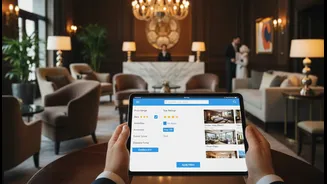
This is where intelligent booking filters come in. By offering guests the ability to search by specific, non-price attributes, hotels and booking platforms can build trust through transparency. Filters for 'free cancellation', 'enhanced cleaning protocols', or 'sustainability certification' are no longer minor details; they are crucial trust signals. Research shows that having no hidden costs and offering fully flexible or refundable products are the two most important factors in building consumer trust. When a traveler can easily filter for a hotel that meets their specific needs—be it an EV charging station, a pet-friendly policy, or guaranteed late check-out—it removes friction and anxiety from the decision-making process. This level of specificity demonstrates that the hotel understands and is prepared to meet their needs, fostering a sense of confidence that a simple price tag cannot convey.
How Specificity Drives Conversions
The connection between detailed filters and conversion rates is direct and measurable. The average hotel website's conversion rate hovers at a modest 2.2%, a figure dwarfed by the 12-15% achieved by major Online Travel Agencies (OTAs). While OTAs benefit from high booking intent, their success also lies in sophisticated filtering that guides users to a suitable choice quickly. When guests can easily find what they’re looking for, they are less likely to abandon their booking. A study found that travellers are 3.9 times more likely to choose a hotel with a higher review score, even at the same price, highlighting that non-price factors are powerful conversion drivers. This concept, known as attribute-based shopping, allows guests to select and sometimes pay more for specific room features they value, such as a sea view or a larger bed, increasing both satisfaction and revenue. AI-powered booking engines can take this further, learning from a user's behaviour to dynamically recommend properties with features they've previously shown interest in.
Flexibility: The New Foundational Expectation
Trip flexibility has moved from a 'nice-to-have' perk to a core expectation for the modern traveller. The ability to change or cancel a booking without a significant penalty is a powerful tool for reducing financial risk and stress for the customer. While flexible rates often come at a premium, a recent travel study found that only a tiny fraction of travellers are willing to book non-refundable rates. Offering clear, flexible booking options is not just a customer service gesture; it's a potent conversion strategy. It removes hesitation at the point of booking, especially for those planning trips far in advance or with uncertain schedules. By making 'flexible cancellation' a prominent filter, hotels directly address a primary concern for many travellers, building goodwill and increasing the likelihood of a completed reservation.