

A Return to Culinary Roots
For years, urban kitchens saw a drift towards processed, convenient foods. But a powerful counter-movement is now taking hold. A growing number of home cooks are intentionally reviving heritage recipes, driven by a desire for better health and an understanding
that traditional Indian diets were inherently balanced and nourishing. This is not just about nostalgia; it is about a conscious return to whole grains, seasonal produce, and time-tested cooking methods that modern lifestyles have often pushed aside. The realisation is dawning that the answer to many contemporary health issues, particularly digestive wellness, doesn't lie in imported superfoods but in the everyday wisdom of our grandmothers.
The Science of a Healthy Gut
Before diving into the dishes, it's helpful to understand the 'why'. Our gut is home to trillions of microorganisms, collectively known as the gut microbiome. A healthy, diverse microbiome is crucial for digestion, immunity, and even mental well-being. Traditional Indian diets excel at nourishing this internal ecosystem. They are naturally rich in prebiotics (fibre from plants that feeds good bacteria) and probiotics (live beneficial bacteria). This combination, found abundantly in regional cuisines, is precisely what modern science recommends for optimal gut health.
The Magic of Fermentation
Fermentation is one of the cornerstones of traditional Indian gut-friendly cooking. Dishes like idli, dosa, and dhokla are not just delicious; their batters undergo a natural fermentation process. This process enriches the food with probiotics, the beneficial bacteria that support a healthy gut. Furthermore, fermentation breaks down complex starches and proteins, making the food easier to digest and increasing the bioavailability of nutrients. Beyond the usual suspects, regional specialties like Kanji (a fermented carrot or beet drink from North India) and Pakhala (fermented rice from the East) offer a diverse range of probiotic benefits. The humble homemade dahi (curd) remains one of the most accessible and powerful probiotic foods, a staple in countless Indian households.
Fibre, Spices, and Wholesome Grains
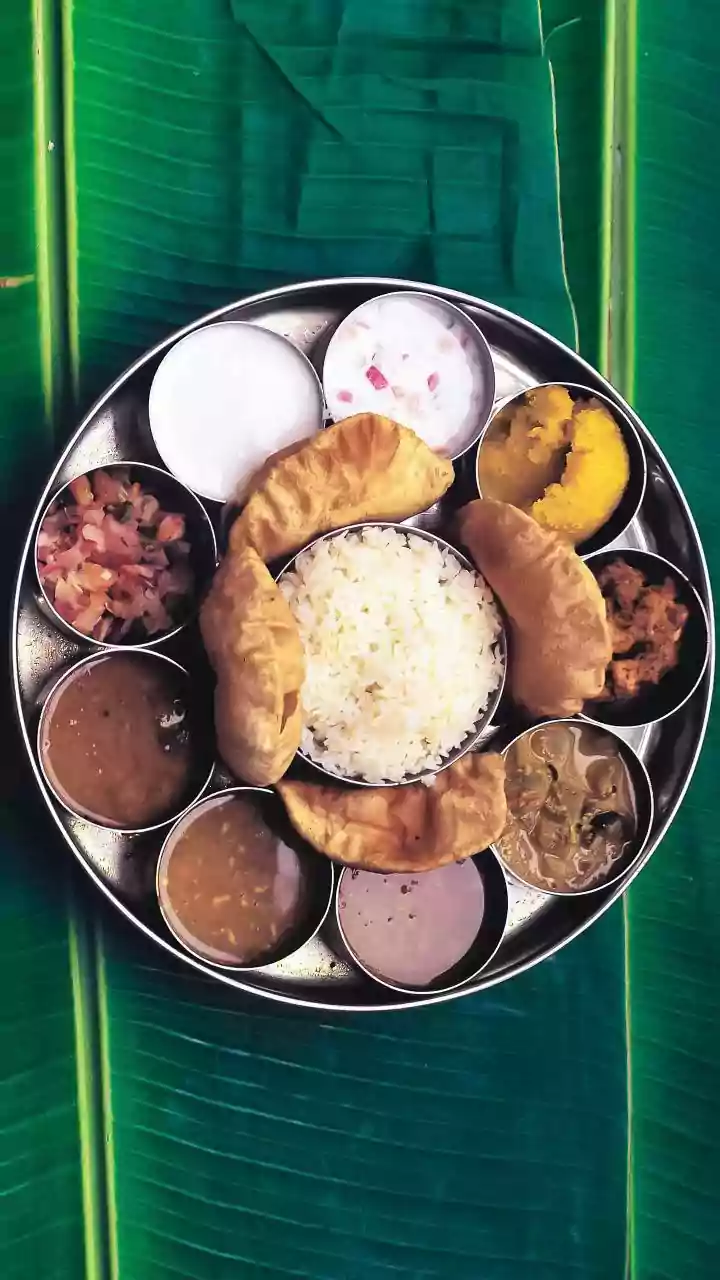
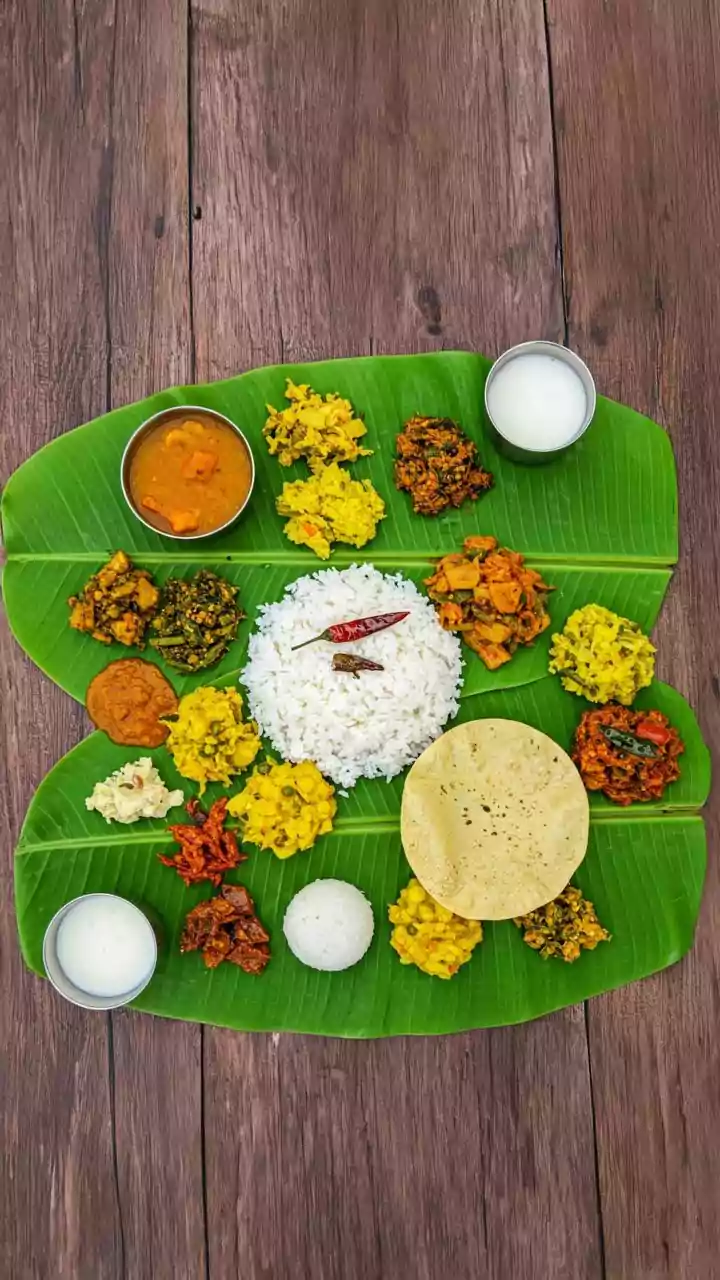
It's not just about fermentation. The emphasis on plant-based ingredients provides a wealth of dietary fibre, which acts as a prebiotic. Lentils, beans, whole grains like millet, and a wide variety of vegetables are staples in regional thalis, all of which feed beneficial gut microbes. Spices, too, play a crucial digestive role beyond just adding flavour. Turmeric is known for its anti-inflammatory properties, ginger can soothe indigestion, and cumin can boost digestive enzymes. Even the way these spices are traditionally used—often cooked in fat like ghee with pepper—enhances their absorption and effectiveness, a practice modern science now validates.
More Than Just Ingredients
The wisdom of heritage cooking also lies in its holistic approach. Ayurveda, the ancient Indian system of medicine, has long emphasized the importance of 'Agni' or the digestive fire, advocating for practices that support it. This includes eating seasonal produce, using balanced meal structures (like a thali combining carbs, proteins, and fats), and employing cooking methods like slow-cooking that preserve nutrients. This approach sees food not just as fuel, but as medicine. By returning to these regional dishes, home cooks are not just recreating flavours; they are embracing a complete, time-tested system for digestive wellness that feels both authentic and effective.